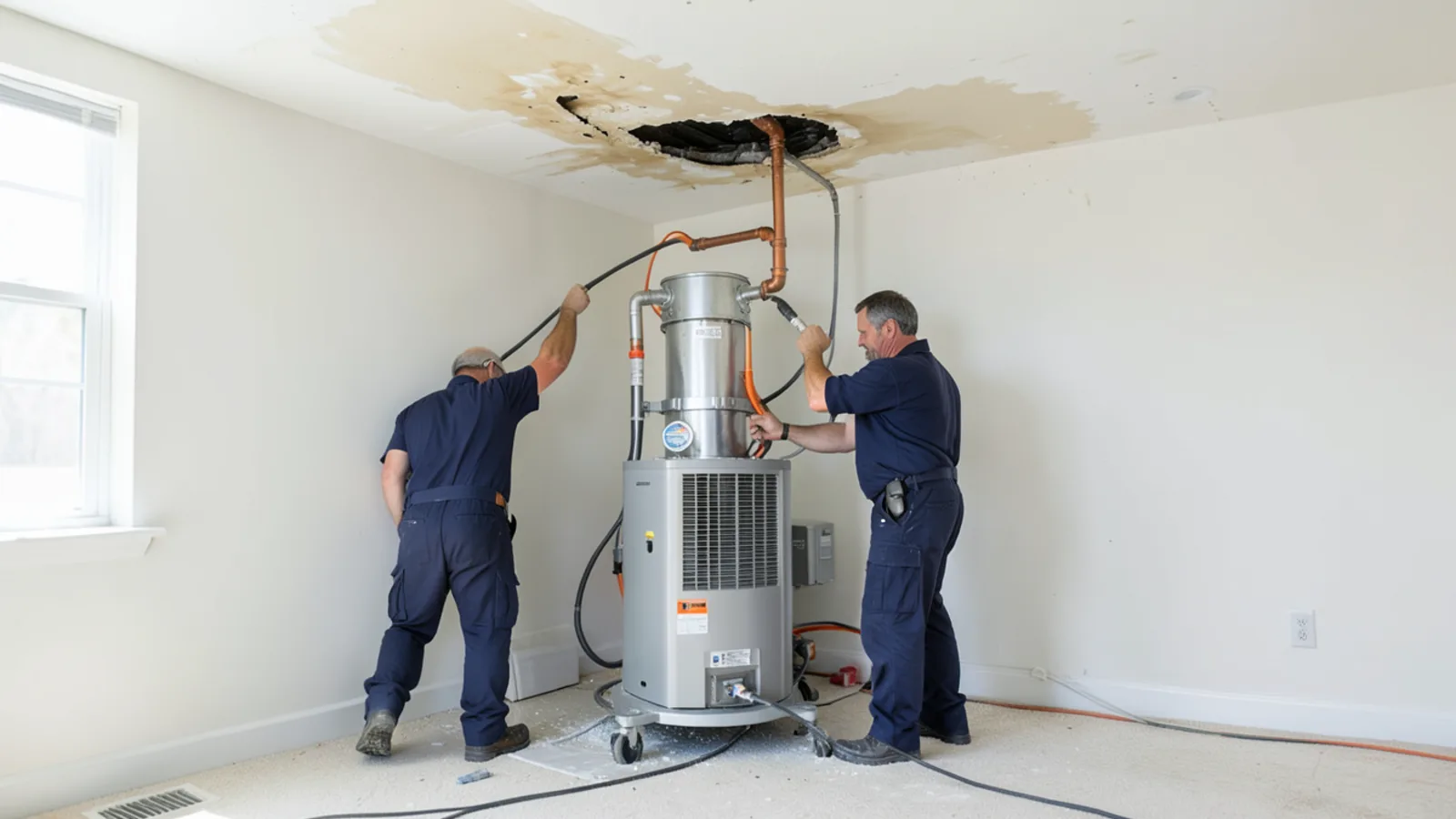
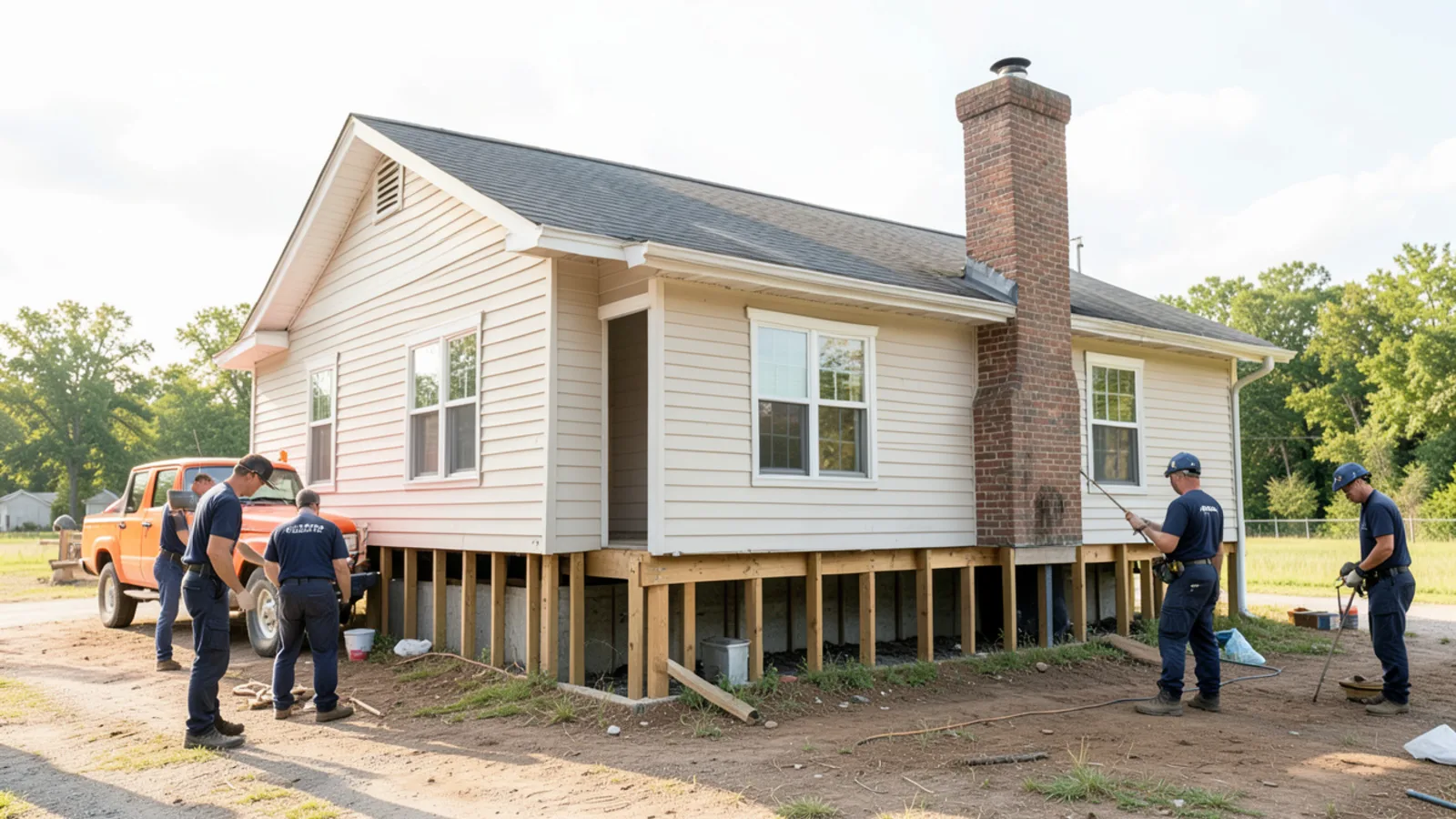
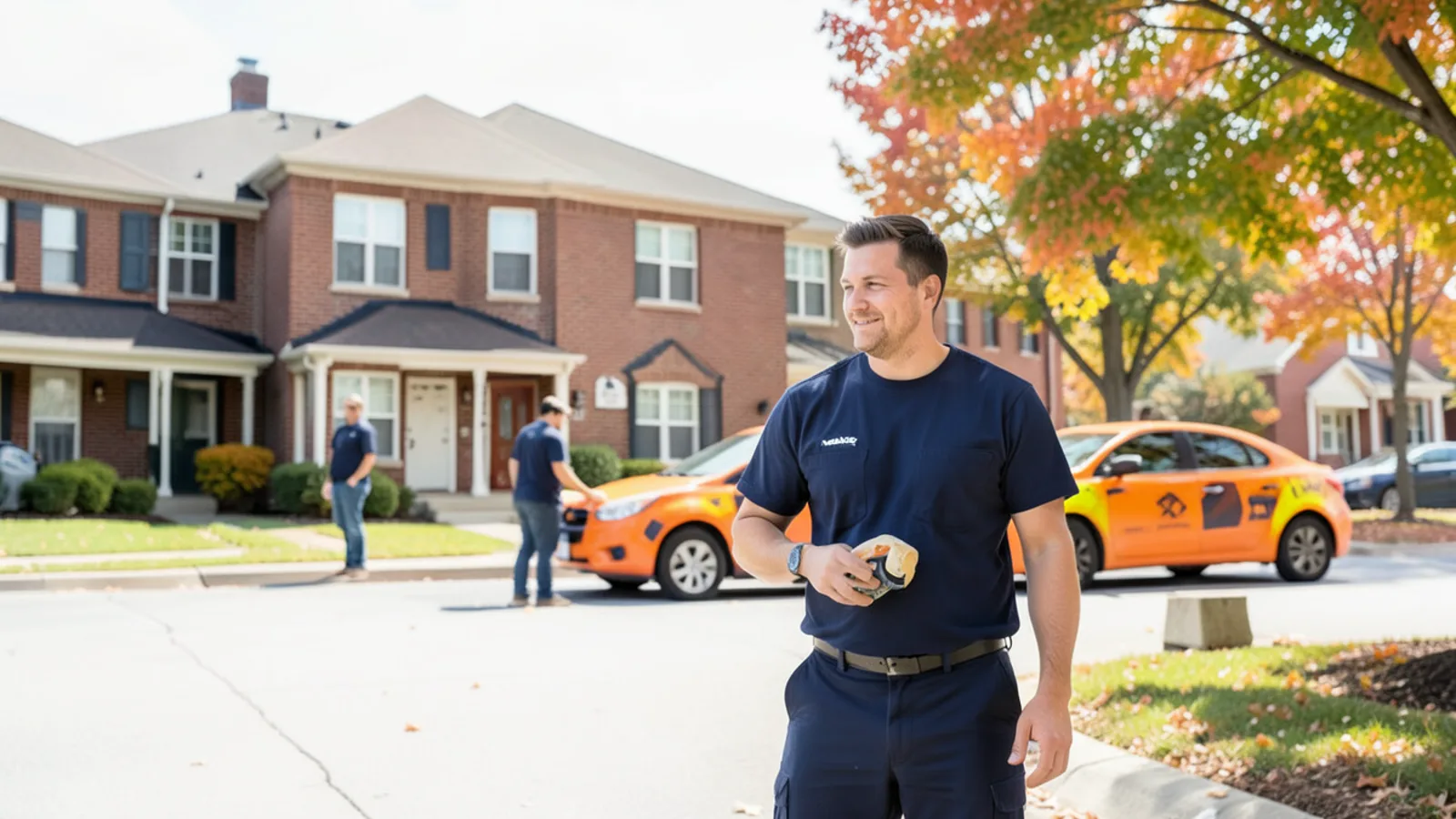
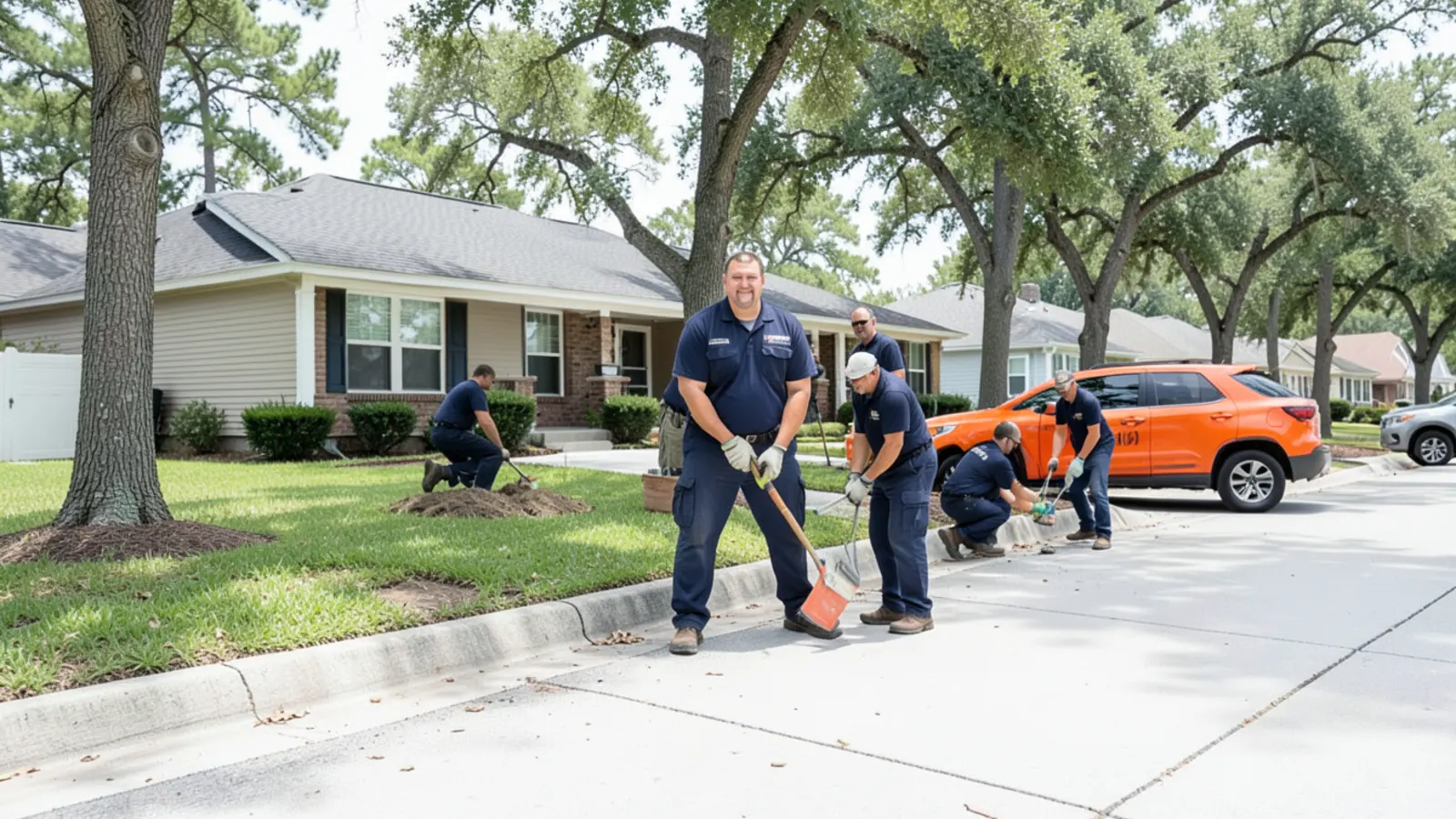
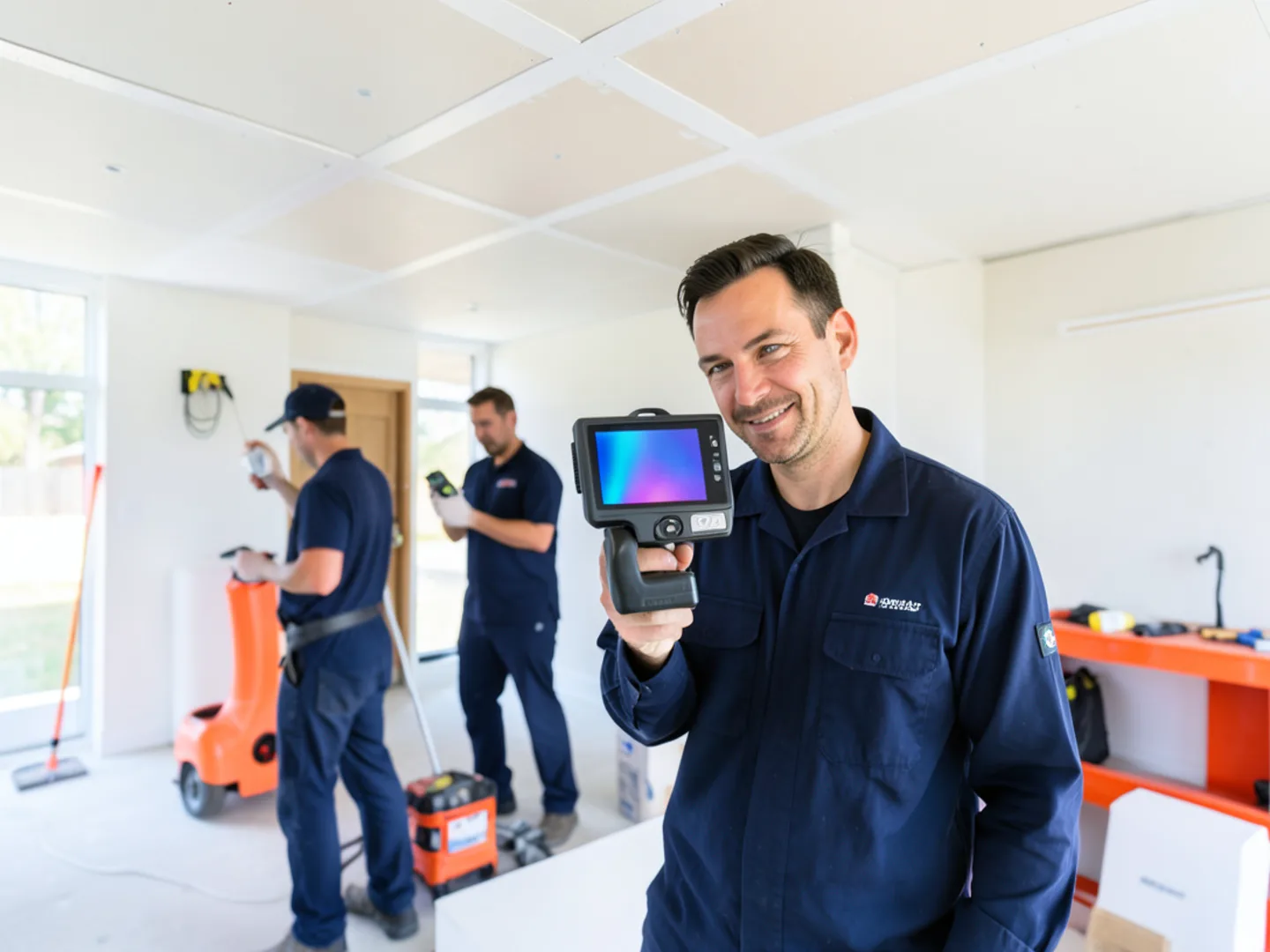
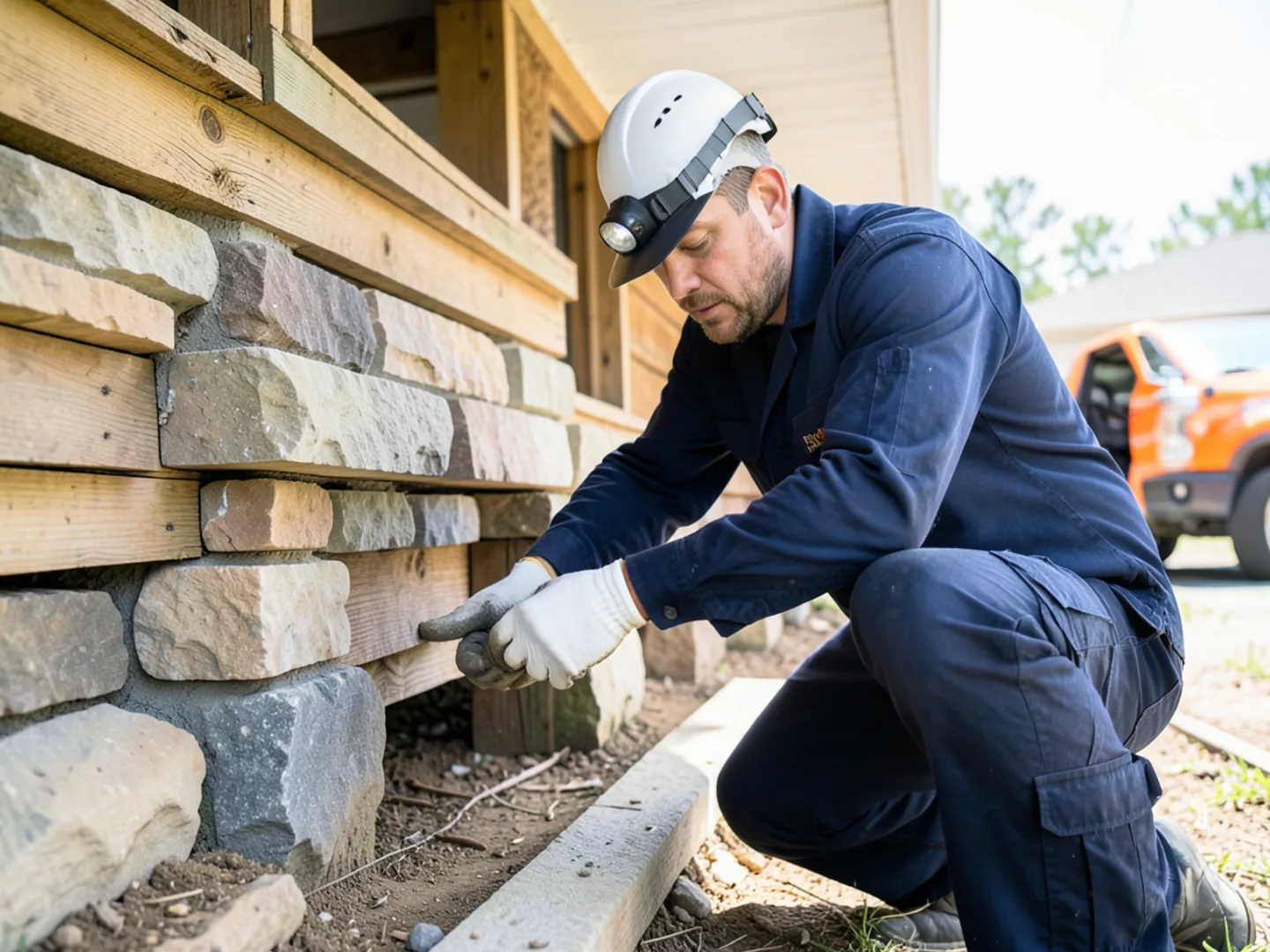
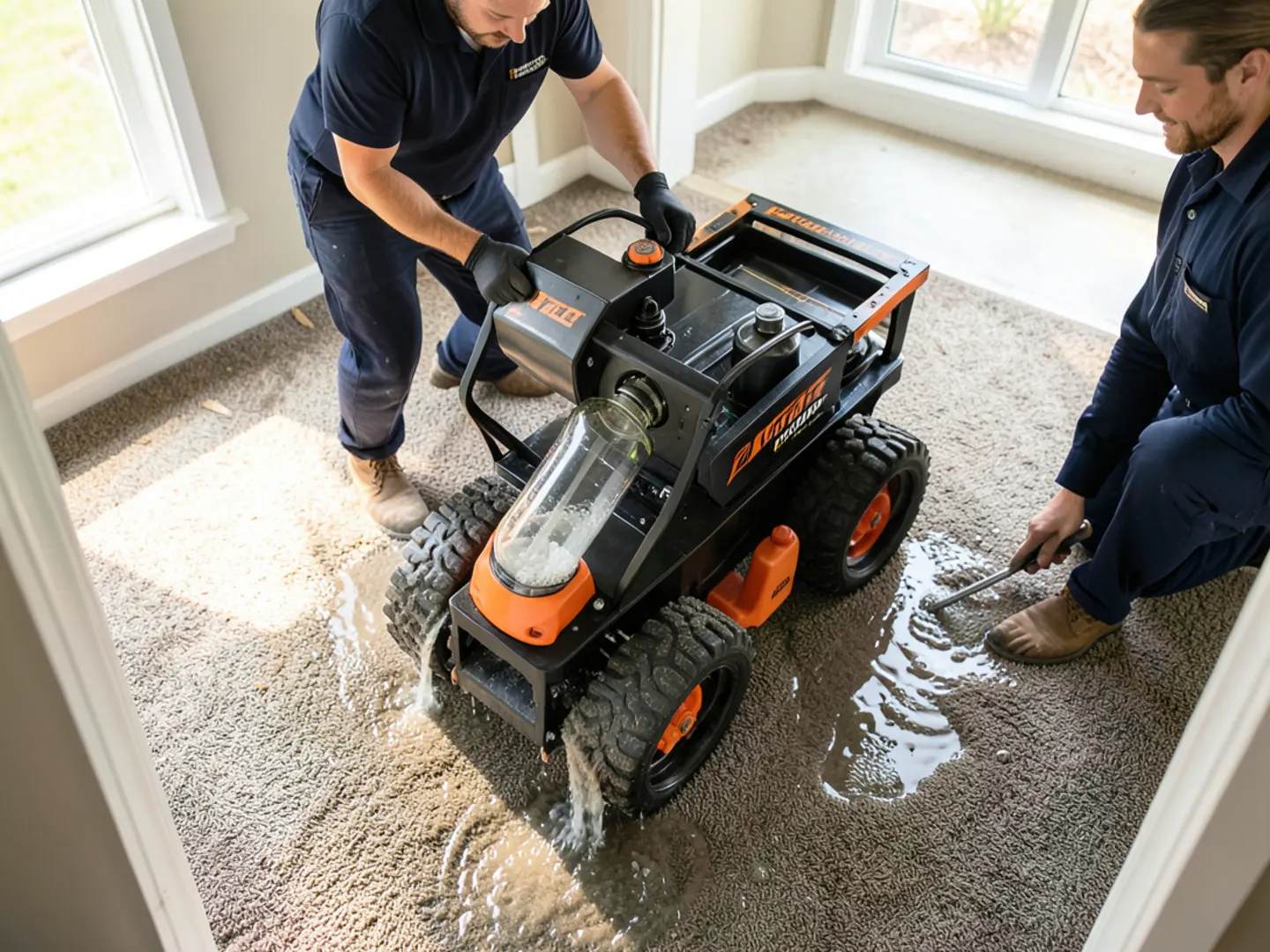
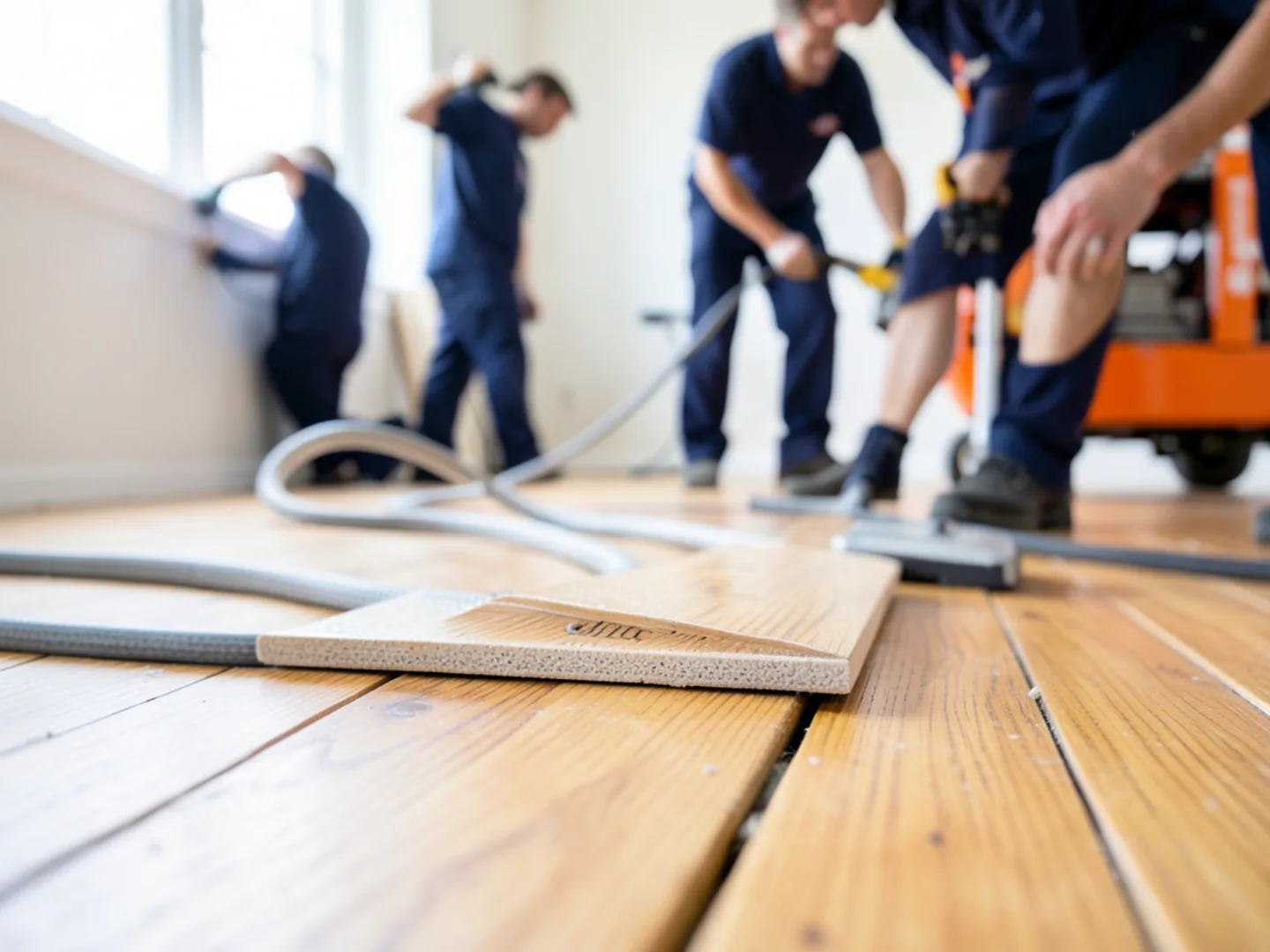
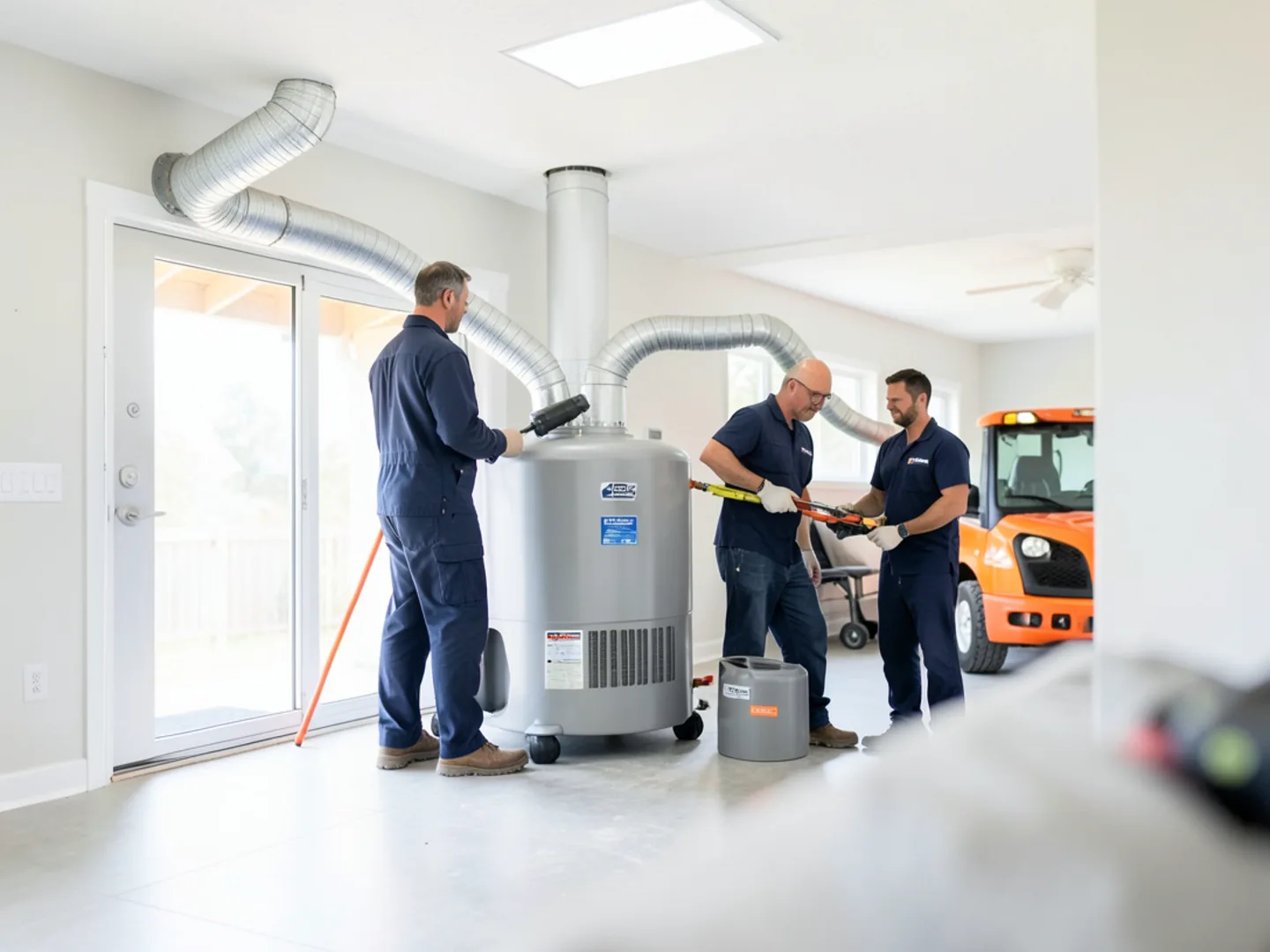
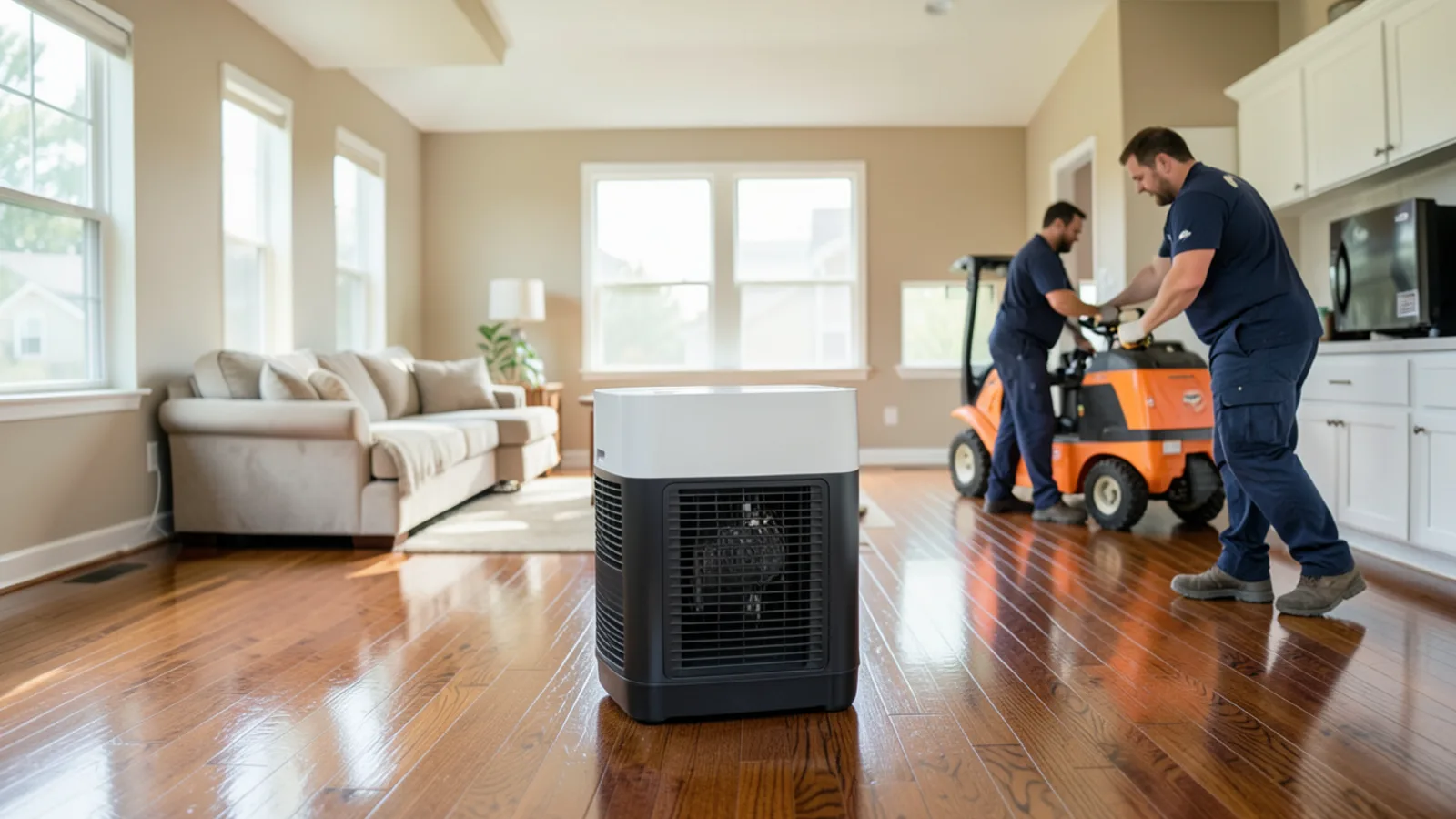
Emergency water damage restoration and structural drying equipment operating in a Little Rock property
24/7 Emergency Dispatch

Water Damage Restoration in Little Rock, AR, Day or Night

When indoor plumbing bursts, flash floods strike, or storm winds breach your roof, our 24/7 dispatch service connects you immediately with experienced local restoration contractors across Central Arkansas.

Free to Call
Zero charge for dispatch assistance
No Obligation
Review written on-site estimate first
Local Contractors
Experienced Central Arkansas pros
24/7 Dispatch
Ready for day or night emergencies
Comprehensive Mitigation & Repair

Central Arkansas Restoration Services

From sudden pipe bursts and attic water heater floods to catastrophic tornado roof breaches and toxic crawlspace mold, independent contractors provide rapid response and complete structural drying. Explore our primary service branches below:

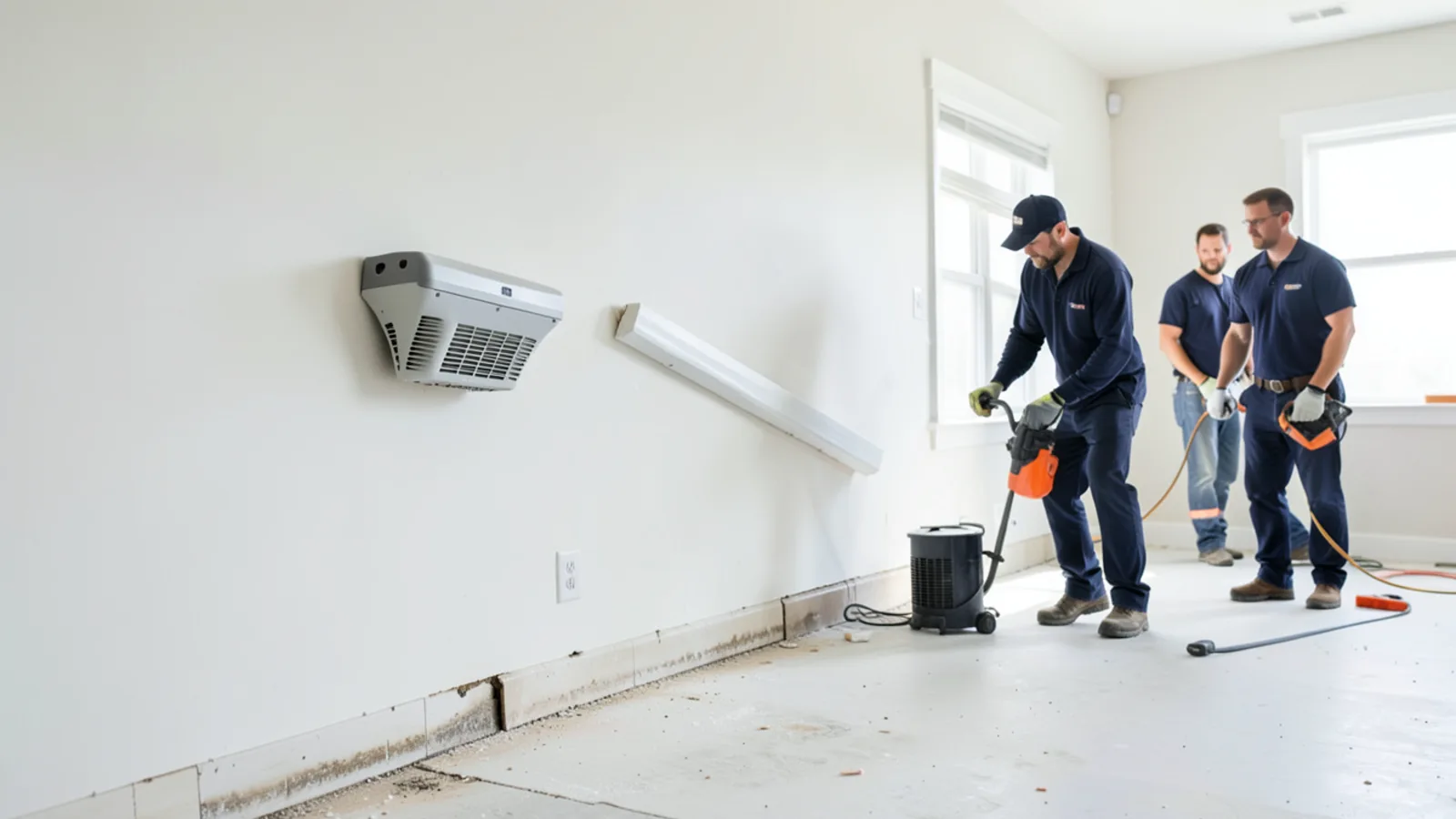
Structural drying equipment operating in flooded Little Rock home

Water Damage Restoration

Comprehensive mitigation protocols combining physical water evacuation, non-destructive psychrometric moisture mapping, structural cavity drying, antimicrobial sanitation, and insurance-ready Xactimate documentation.

Explore Service Details
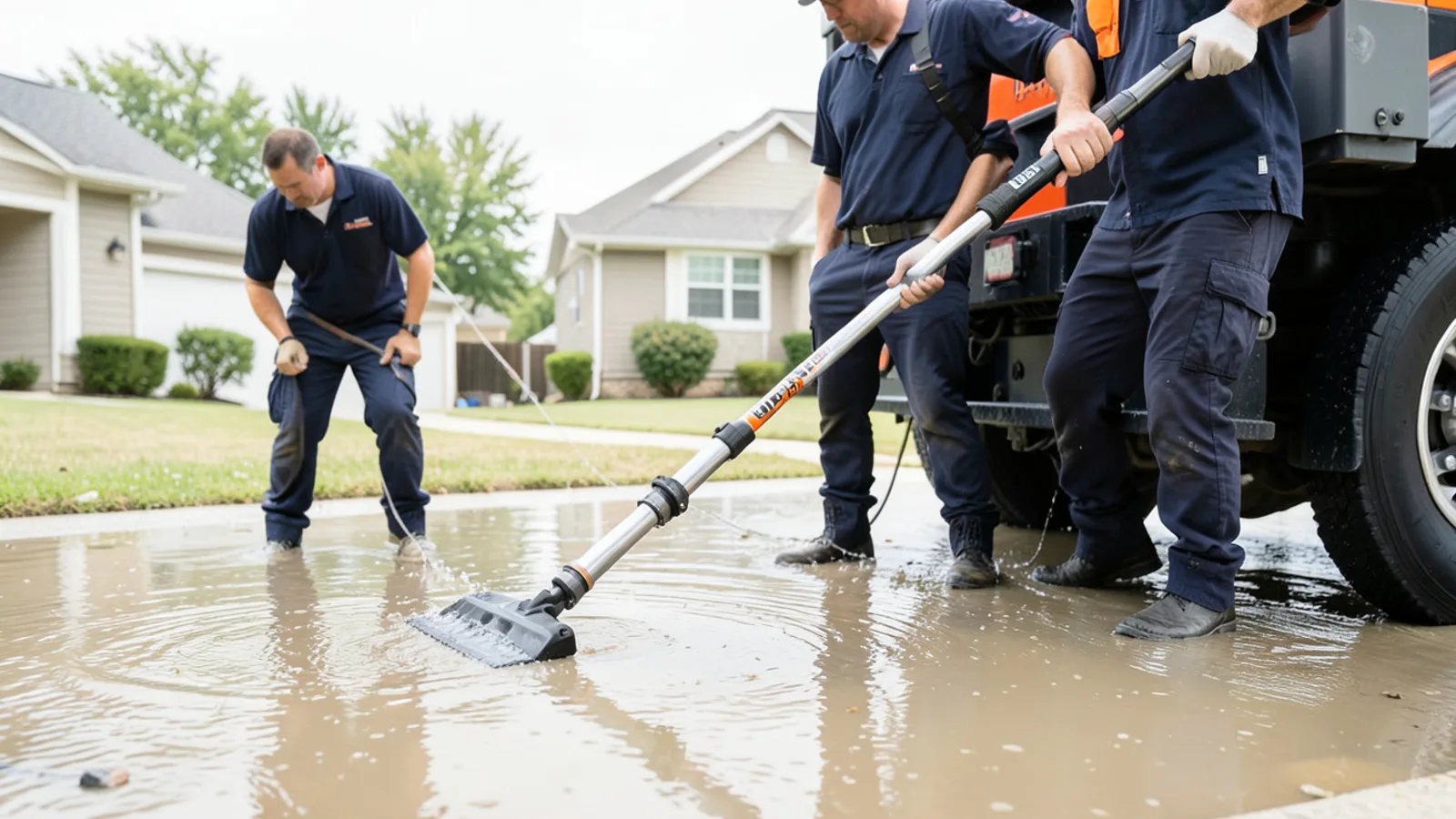
High-powered truck mounted extraction hose removing standing water
Urgent Dispatch

Emergency Water Extraction

Immediate physical removal of liquid water from carpets, tile, hardwood, crawlspaces, and concrete slabs to stop moisture progression prior to structural dehumidification.

Explore Service Details
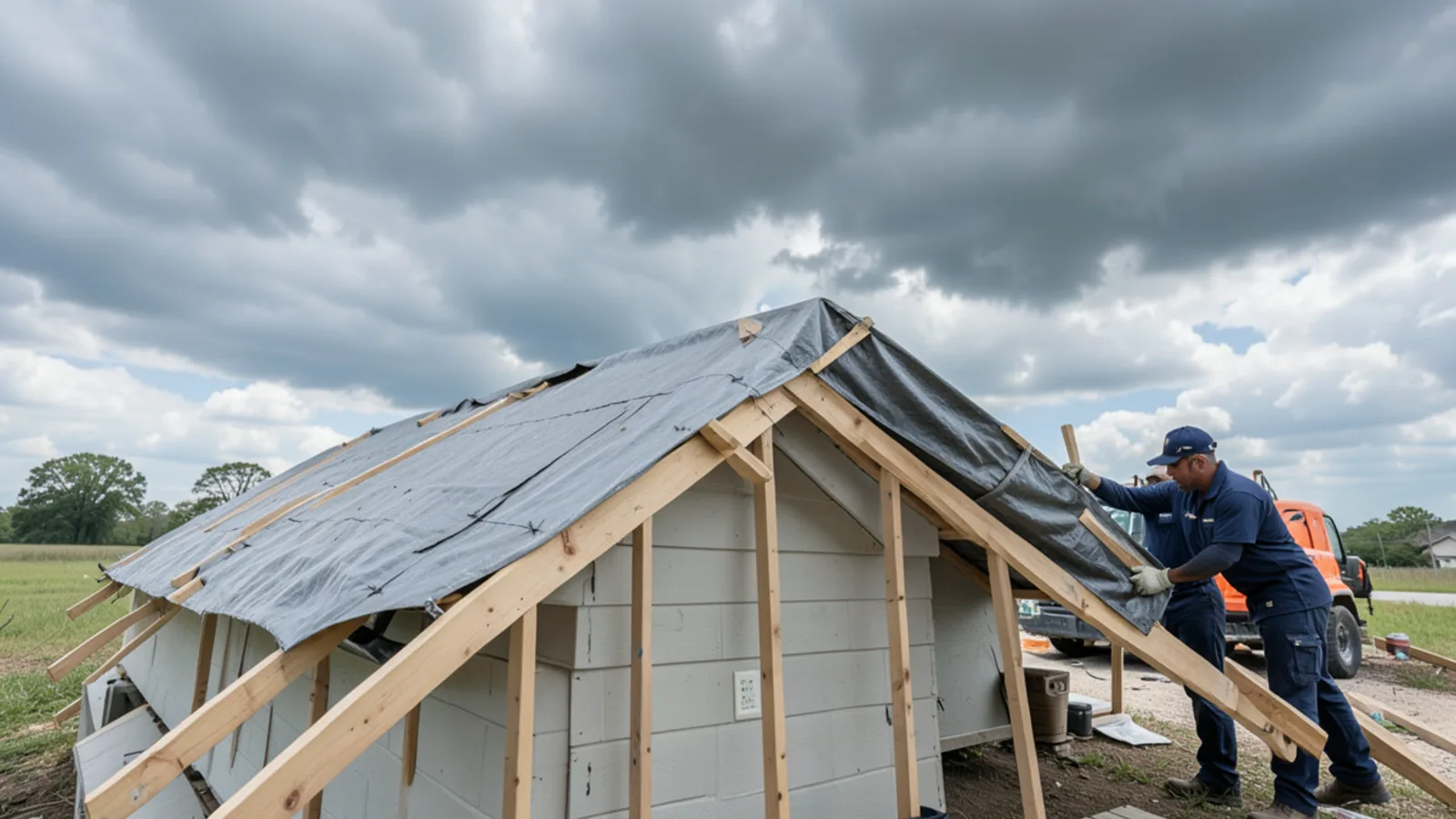
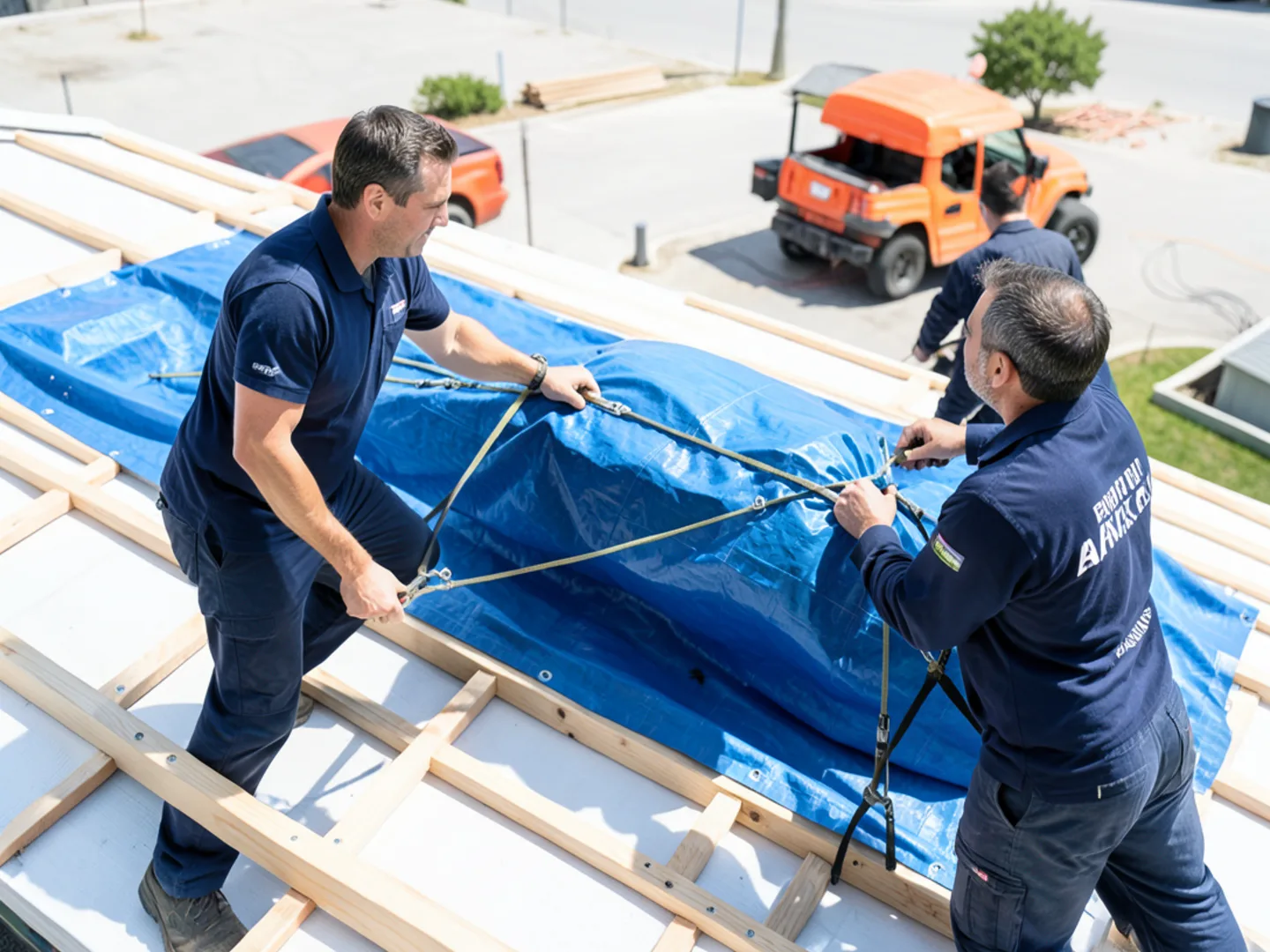
Securing heavy blue emergency tarp over tornado-damaged roof decking
Urgent Dispatch

Storm & Tornado Damage Restoration

Rapid weatherproofing stabilization, debris clearing, emergency roof tarping with wood battens, saturated insulation removal, and interior structural drying following severe weather.

Explore Service Details
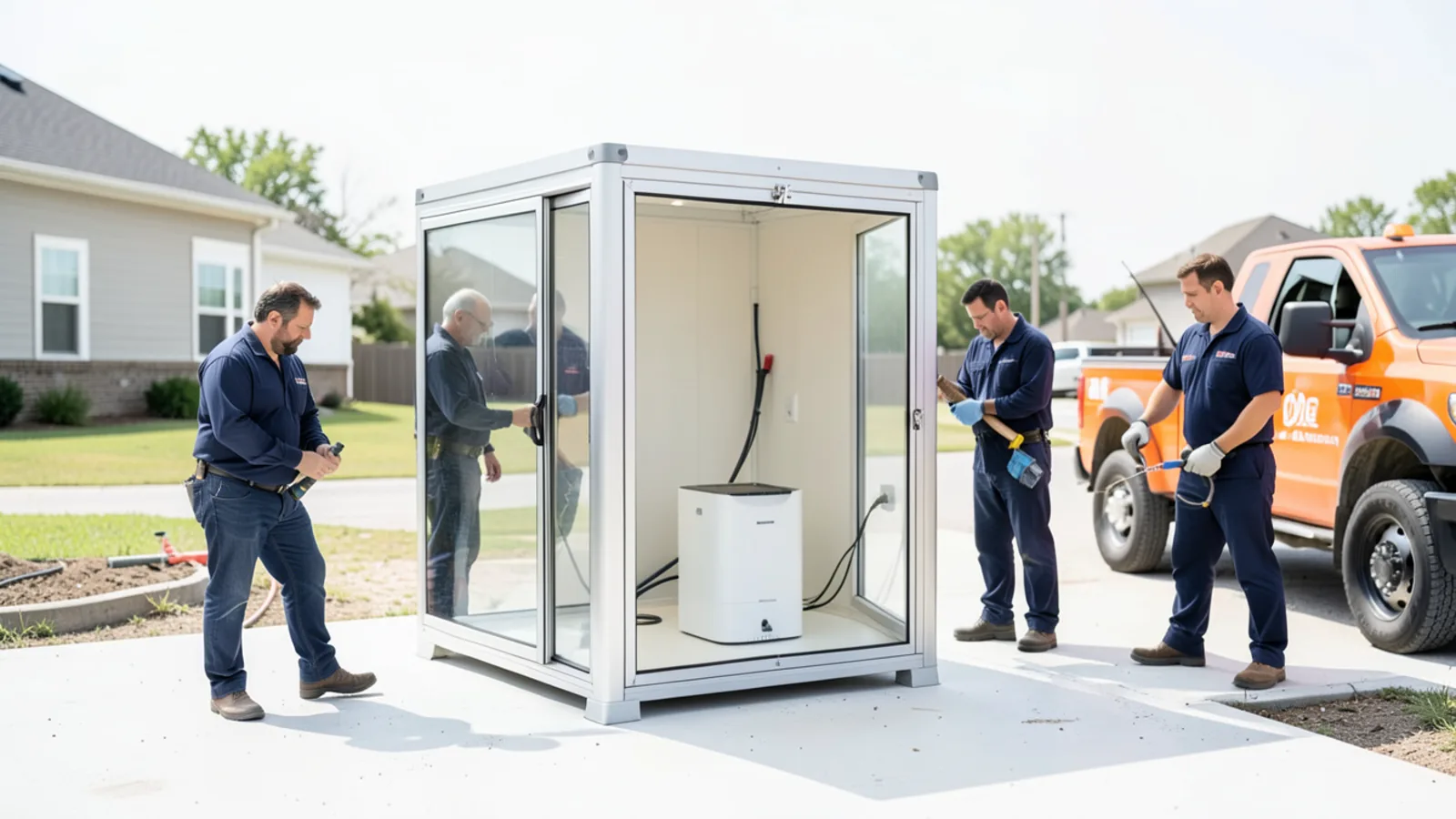
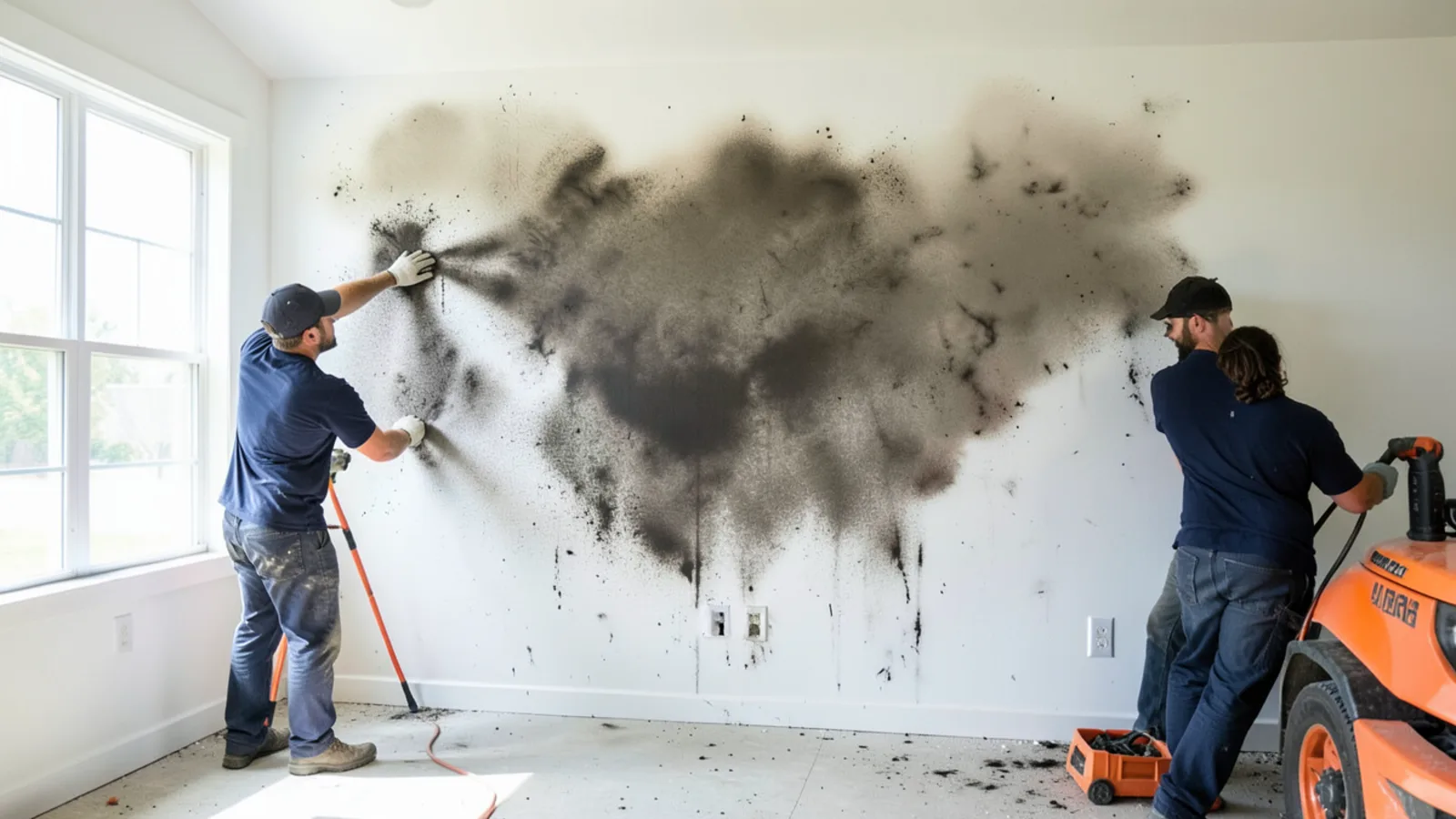
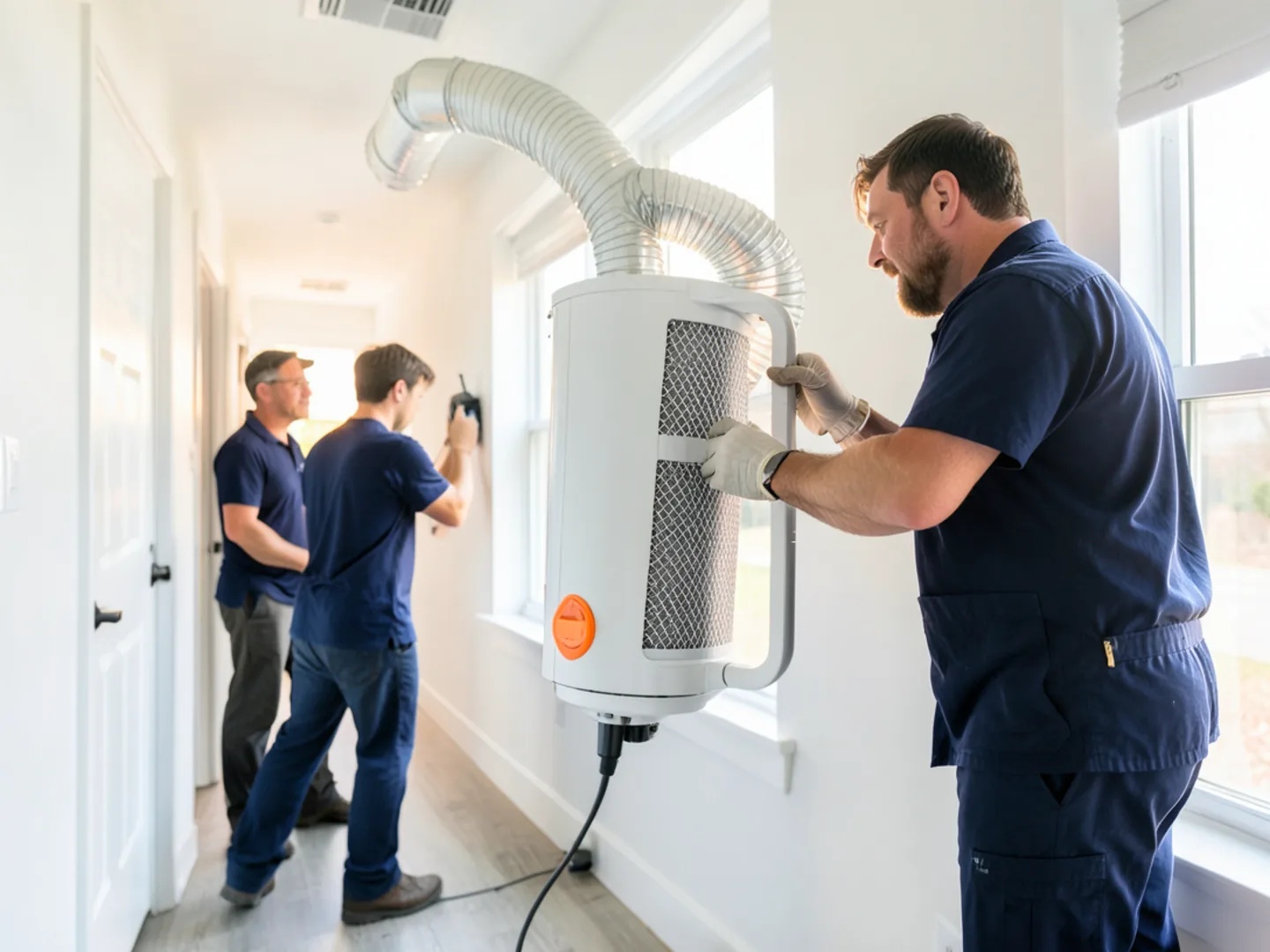
Containment barrier and HEPA air filtration equipment for mold remediation

Mold Remediation & Removal

Scientific microbial remediation including containment isolation, HEPA vacuuming, mechanical framing abrasion, antimicrobial washing, and crawlspace moisture stabilization.

Explore Service Details
Water extraction setup below ceiling damaged by burst pipe

Burst & Frozen Pipe Water Damage

Emergency response for clean-water plumbing failures, attic water heater tank ruptures, freeze-induced pipe breaks, cavity wall drying, and insurance loss documentation.

Explore Service Details
Technician inspecting fire damage and soot residue in residential kitchen

Fire & Smoke Damage Restoration

Comprehensive multi-hazard restoration including board-up enclosure, water extraction, dry chemical sponge soot cleaning, thermal fogging, hydroxyl deodorization, and structural sealing.

Explore Service Details
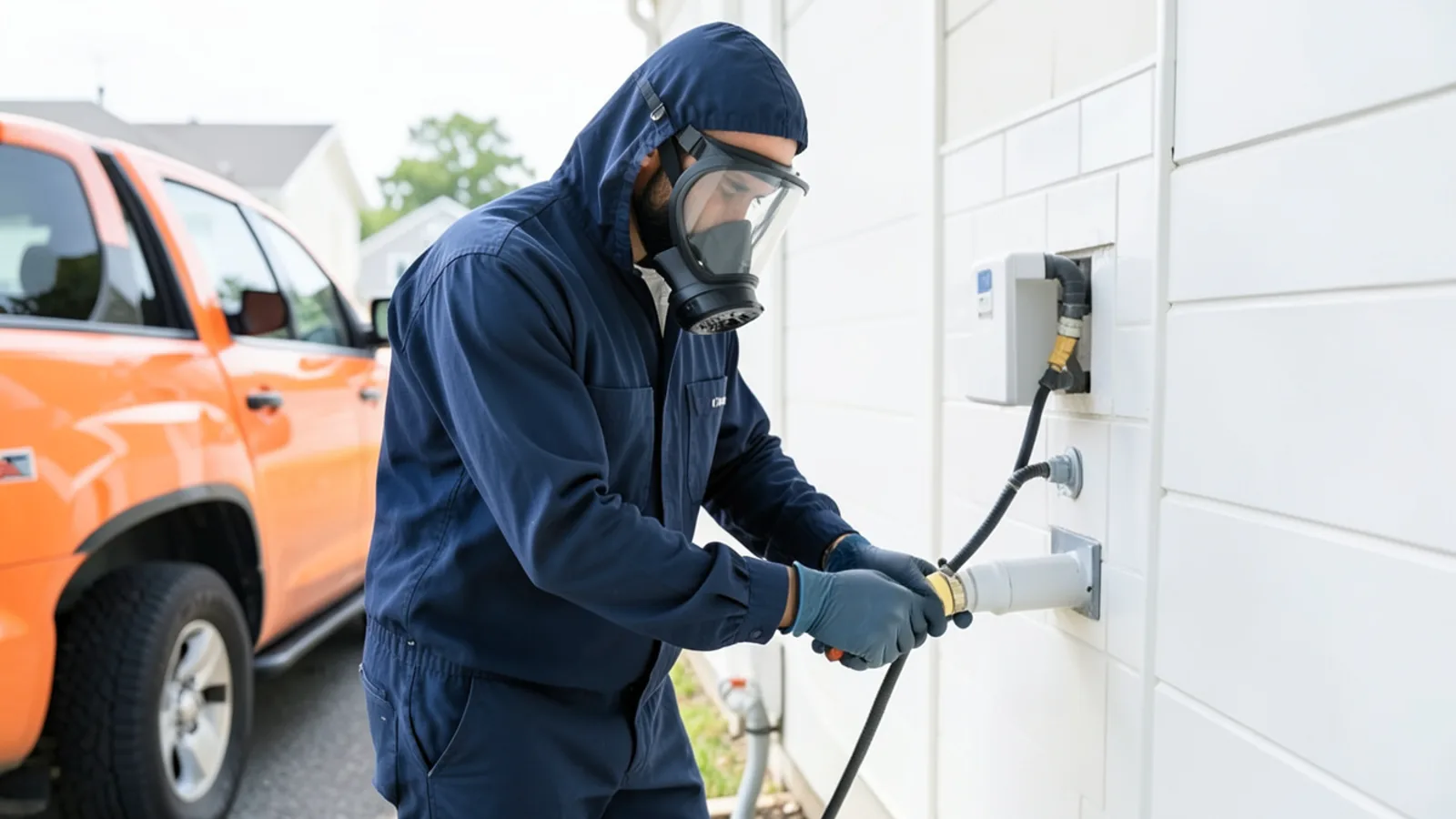
Protective gear containment setup for Category 3 sewage backup remediation

Sewage Backup Cleanup

Category 3 biohazard extraction, controlled disposal of contaminated porous materials, hospital-grade antimicrobial sanitization, crawlspace soil treatment, and structural drying.

Explore Service Details

Designated Primary Ranking Service

Looking for our full-service structural mitigation guide? Read our in-depth walkthrough on water damage restoration little rock ar.

Speak with a Pro
Our Rapid Response Process

How It Works When You Call

Here is what happens from the moment you call our 24/7 emergency dispatch line:

1

Call Our Free Dispatch Line

Call (702) 478-1007. Our dispatch line operates 24/7. We ask key triage questions: the source of water, whether the water is still active, affected rooms, and safety hazards like electrical panel proximity or sewage.

2

Connected with a Local Pro

We route your details directly to an independent local restoration contractor who operates within your specific Central Arkansas community (Pulaski, Saline, or Faulkner County).

3

On-Site Assessment & Itemized Scope

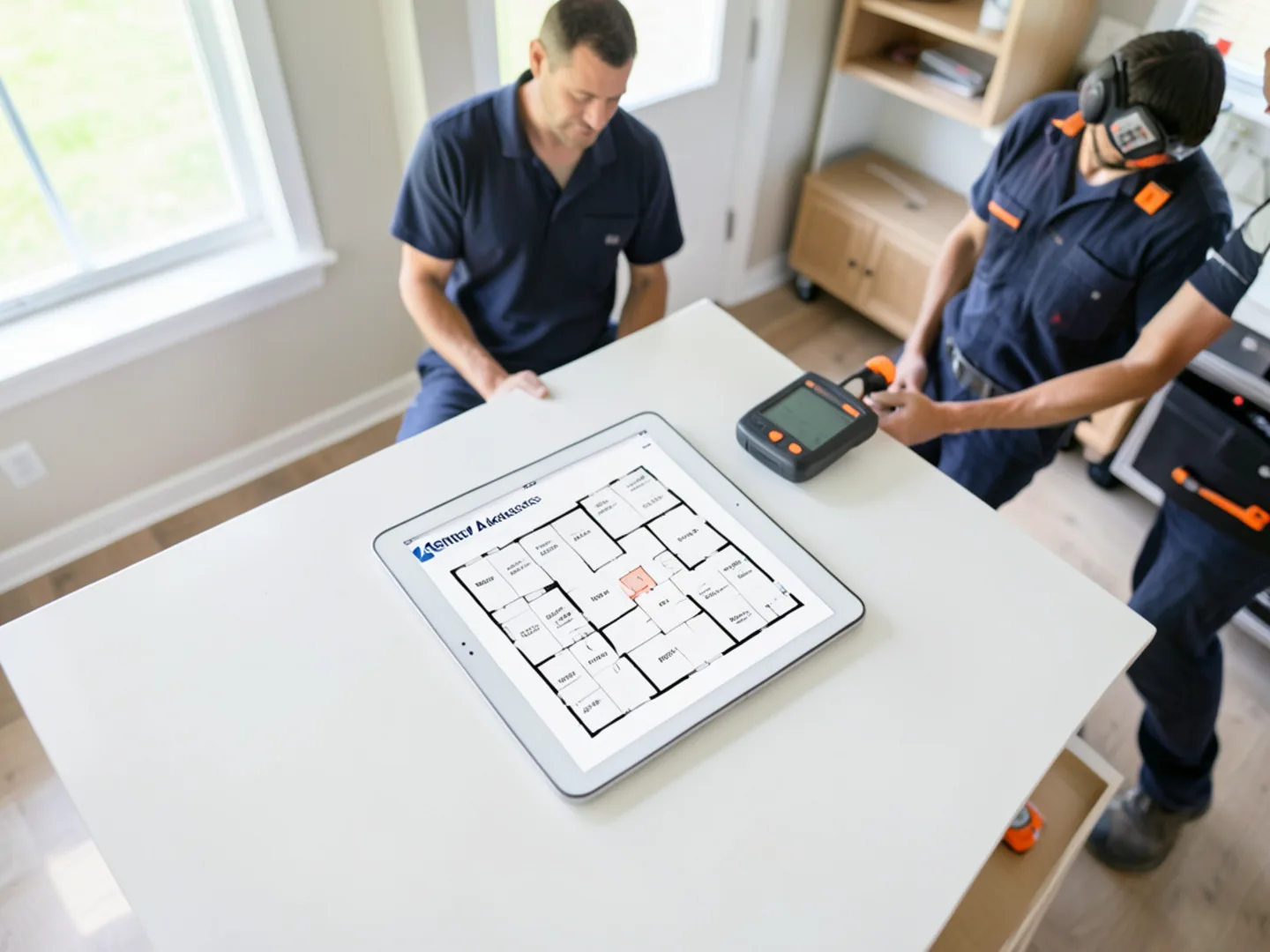
The independent contractor arrives equipped with moisture meters and thermal imaging. They inspect visible and concealed areas (including crawlspaces and subfloors) and provide a written, itemized estimate.

4

Your Decision & Verification

You review the estimate, verify the contractor’s license status, and choose whether to proceed. There is zero pressure and zero obligation.

What to Ask Any Restoration Contractor in Arkansas

Under Arkansas state law, any structural remodeling, rebuilding, or improvement contract exceeding $2,000 must be executed by a contractor licensed through the Arkansas Contractors Licensing Board (ACLB). We strongly recommend asking any contractor for their exact license number and verifying their active standing on the public ACLB registry before signing reconstruction agreements.

✓ Request an itemized estimate✓ Separate mitigation from repairs✓ Confirm daily moisture logging
Local Architecture & Climate Challenges

Why Central Arkansas Homes Require Specific Restoration Strategies

Restoration in Central Arkansas is defined by distinctive soil hydrology, regional architectural styles, and volatile weather patterns. Unlike northern regions where full basements are common, Little Rock and its suburbs are predominantly constructed on pier-and-beam crawlspaces or monolithic concrete slabs.

In historic neighborhoods like The Heights, Hillcrest, and Midtown, homes built between 1910 and 1950 sit on crawlspaces with timber framing. During hot, humid summers, outdoor air entering unconditioned crawlspace vents condenses on cold air conditioning ducts and subfloor joists. When combined with plumbing leaks or stormwater runoff, crawlspaces quickly exceed 70% relative humidity, fostering wood rot and mold colonization.

Furthermore, weather events dictate urgent response protocols. On March 31, 2023, an EF3 tornado carved a devastating path across West Little Rock, North Little Rock, Sherwood, and Jacksonville. High-velocity winds peel asphalt shingles and shatter windows, exposing interiors to torrential precipitation that saturates drywall and insulation. Contractors must deploy commercial emergency roof tarping and structural board-up before water extraction and drying can even commence.
35 Min
Average Suburb Dispatch Radius
24–48 Hrs
EPA Critical Mold Prevention Window
>$2,000
Arkansas ACLB License Requirement
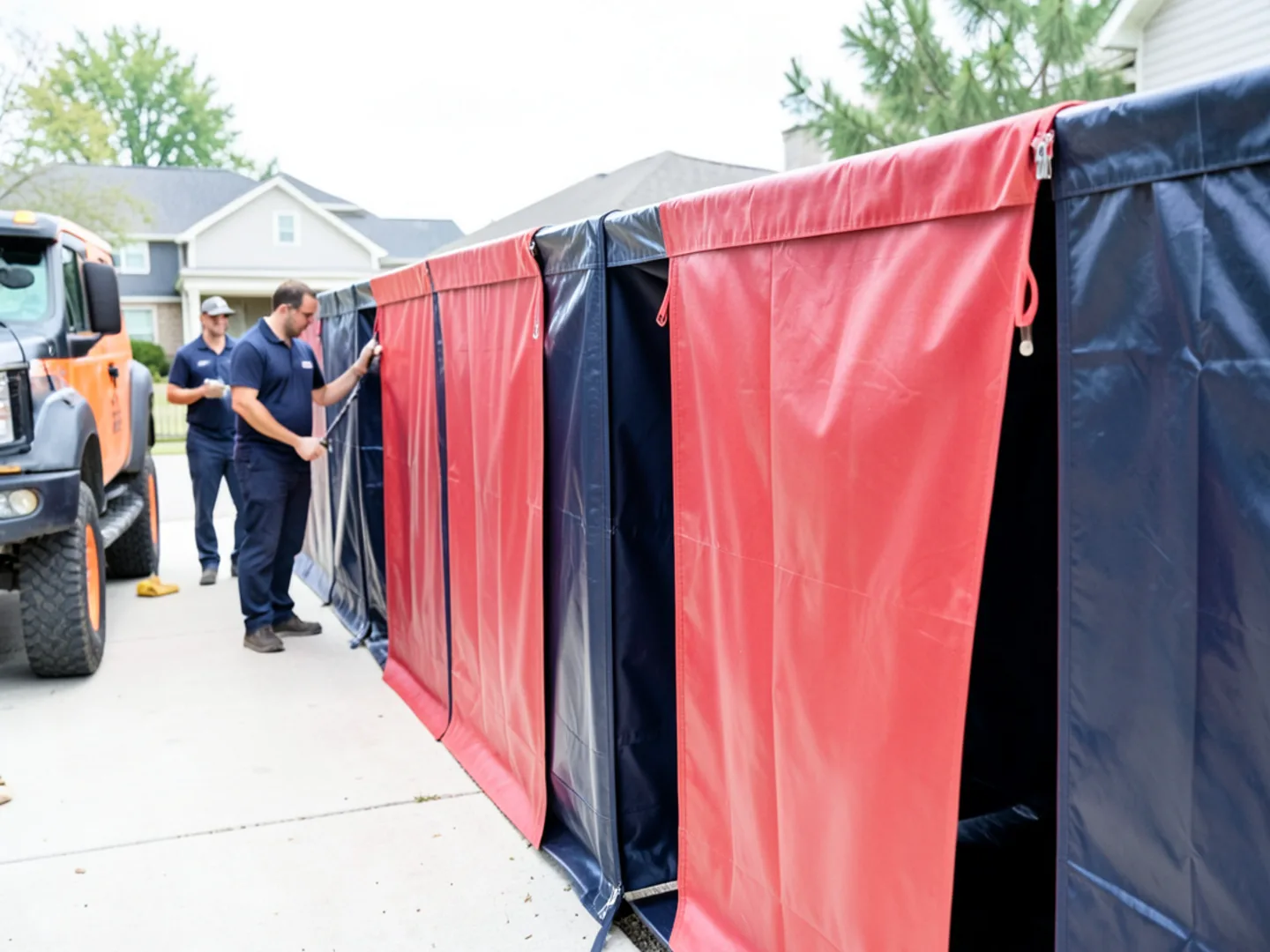
Polyethylene containment barrier isolating contaminated work area
Airtight poly containment barrier maintaining negative air pressure during structural remediation.
HEPA air scrubber filtering microscopic airborne particulates during remediation
Continuous HEPA air filtration capturing microbial spores and airborne particulate matter.

Water Damage Mitigation Timeline & Cost Variables

Understand the standard 4-stage drying timeline and the primary technical variables that influence restoration scope and insurance approval.

✓Standard 4-Phase Mitigation Workflow

  1. Phase 1: Emergency Contact & Extraction (Hours 0–4)Call dispatch at (702) 478-1007. Crews mobilize high-capacity truck-mounted or portable extraction units to vacuum bulk standing water from carpets, subfloors, and concrete slabs.
  2. Phase 2: Moisture Mapping & Containment (Hours 4–8)Technicians deploy calibrated pin-type moisture meters and infrared thermal imaging to establish baseline moisture levels across framing, drywall, and crawlspaces.
  3. Phase 3: Controlled Dehumidification (Days 1–4)Low-grain refrigerant (LGR) dehumidifiers and high-velocity axial air movers are positioned to create vortex drying environments, continuously pulling trapped moisture from structural wood.
  4. Phase 4: Final Dry Standard Verification & Claim Packet (Days 3–5)Contractor verifies that framing has reached equilibrium moisture content (typically <15% in Central Arkansas) and compiles moisture logs, photos, and itemized billing for your insurance adjuster.

$Key Pricing & Scope Determinants

Every loss is unique. Independent contractors establish final estimates based on four standard insurance-approved parameters:

FactorImpact on Scope
Water CategoryCategory 1 (clean supply line) requires basic drying; Category 3 (sewage or river flood) requires hazardous PPE, biocide sanitization, and porous material tear-out.
Square Footage & VolumeGoverns the exact cubic feet of air requiring dehumidification and determines the number of commercial air movers and LGR units required.
Structural AccessibilityTight, low-clearance pier-and-beam crawlspaces in older neighborhoods require manual labor and lay-flat ducting compared to open slab floorplans.
Elapsed Time Prior to ExtractionWater standing beyond the 48-hour EPA threshold frequently transitions to secondary microbial growth, requiring negative-air containment chambers.
Heavy duty waterproof roof tarp secured with furring strips over storm breach
Emergency Roof TarpingFurring strips batten heavy waterproof tarps to stop storm rainwater intrusion.
Detailed digital moisture log and photo documentation for insurance claims
Standardized Moisture LogsPsychrometric logs and thermal images prove structural dry standards to adjusters.
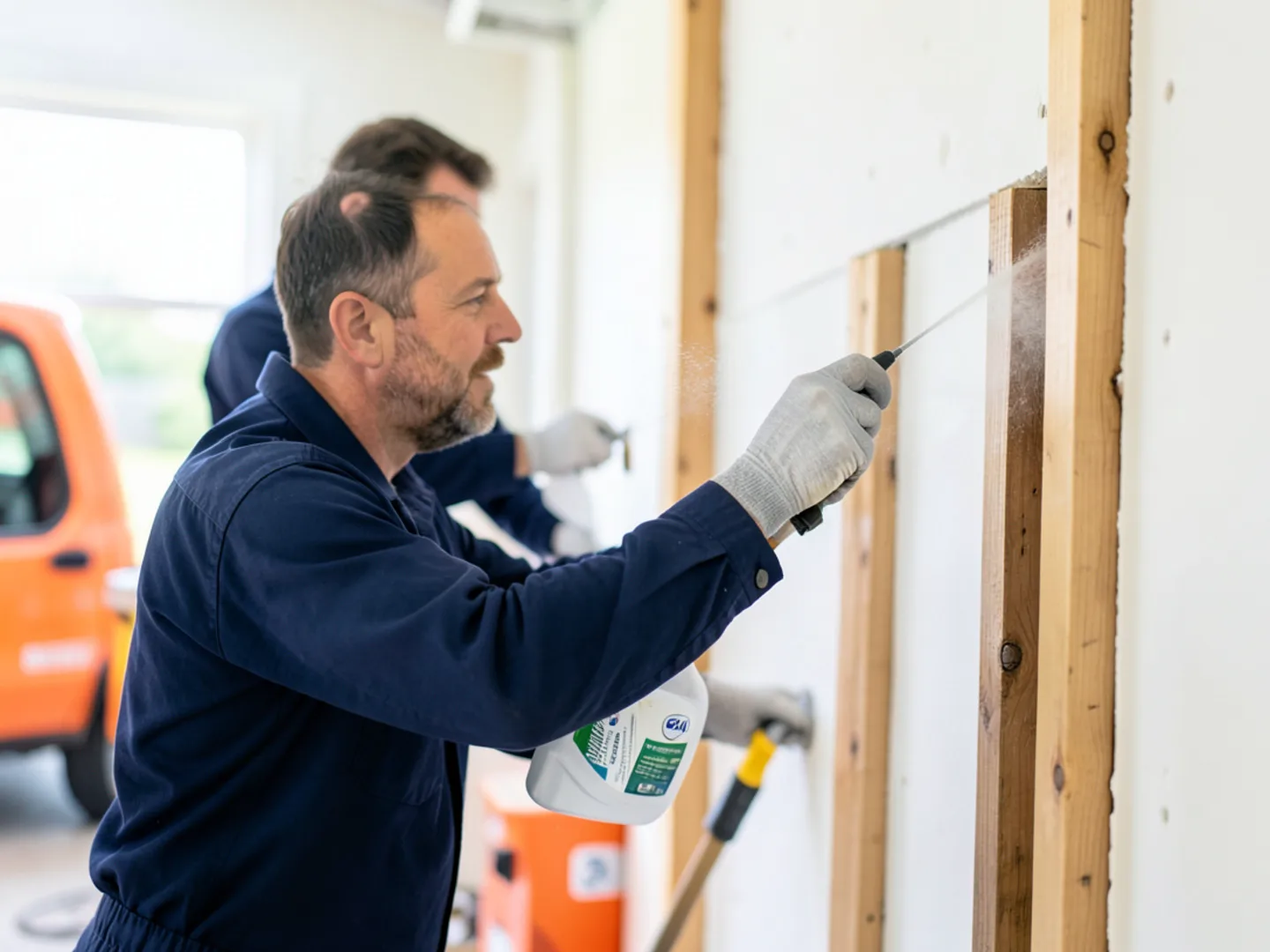
EPA registered botanical antimicrobial treatment applied to exposed wall studs
Antimicrobial SanitizingEPA-registered botanical disinfectant applied to exposed structural wall studs.
Regional Response Network

Communities Served Across Central Arkansas

Dispatch connects property owners across Pulaski, Saline, and Faulkner counties. All cities sit within an approximate 35-minute operational perimeter from our Cantrell Road arterial hub:

Central Arkansas Dispatch Perimeter

35-Minute Rapid Response Network

Centered on the Cantrell Road corridor near I-430, connecting Little Rock with rapid access across I-40, I-30, and US-67/167.

Also serving surrounding communities: Cabot, Alexander, Shannon Hills, Mayflower, and Wrightsville.
Emergency response line: (702) 478-1007
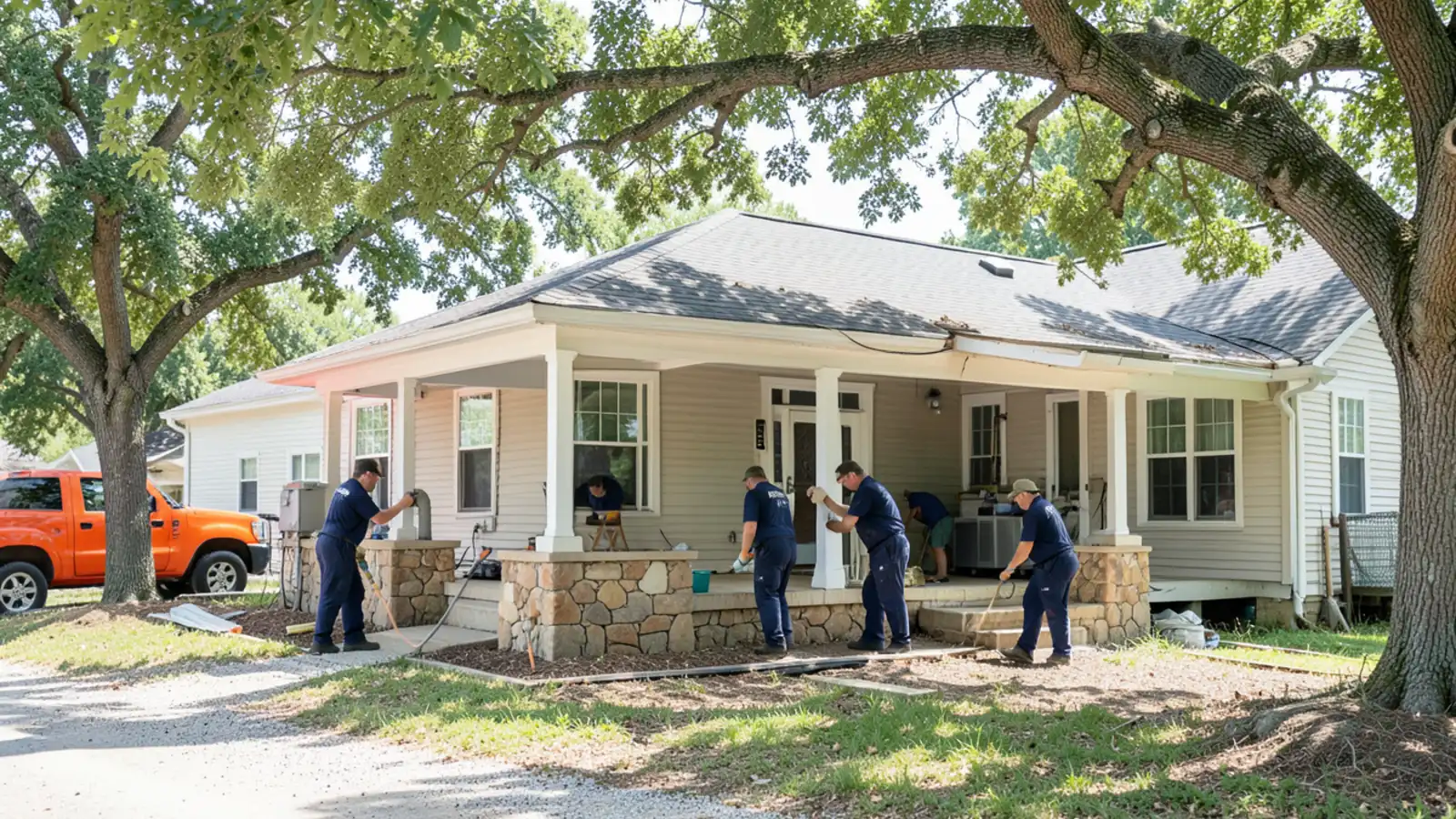
Historic Park Hill bungalow streetscape in North Little Rock, AR
18 min from Hub
Pulaski County

North Little Rock, AR

1920s–1950s Park Hill and Lakewood Craftsman bungalows and mid-century ranches on pier-and-beam crawlspaces; Argenta historic brick district; riverfront lowlands exposed to historic Arkansas River flooding; impacted by the March 2023 EF3 tornado path.

View Local Coverage
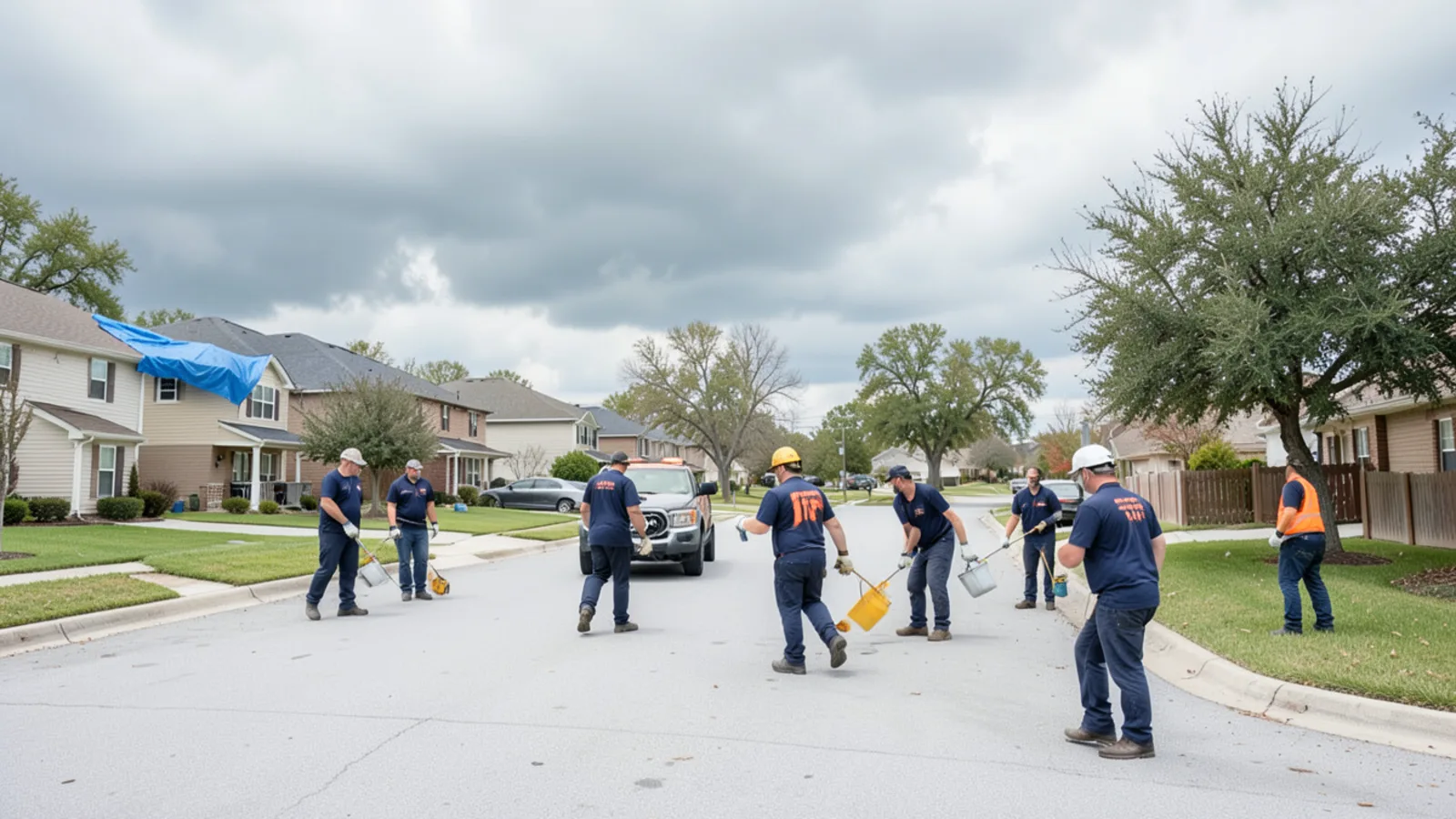
Suburban residential street along Kiehl Avenue corridor in Sherwood, AR
22 min from Hub
Pulaski County

Sherwood, AR

Directly in the crosshairs of the March 31, 2023 EF3 tornado, which tracked across the Kiehl Avenue corridor; 1970s–2000s subdivisions where roof breaches turn into severe interior ceiling and crawlspace water losses.

View Local Coverage
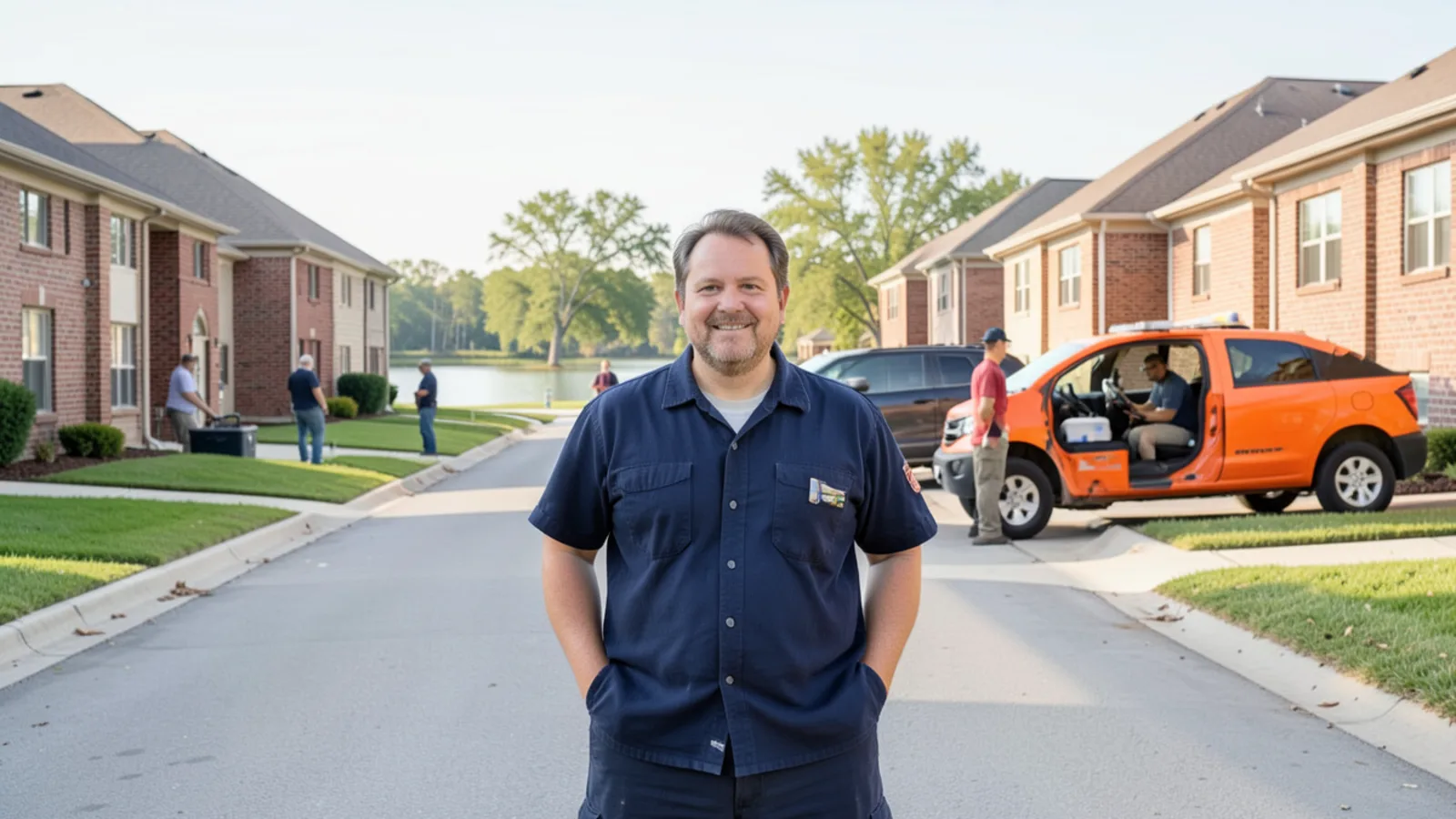
Modern residential home in Maumelle near Lake Willastein parklands
18 min from Hub
Pulaski County

Maumelle, AR

Master-planned community from the 1970s built along the Arkansas River; primarily 1980s–2010s slab-on-grade homes with elevated attic water heaters and under-slab copper supply lines; lakefront exposure near Lake Willastein and Lake Valencia.

View Local Coverage
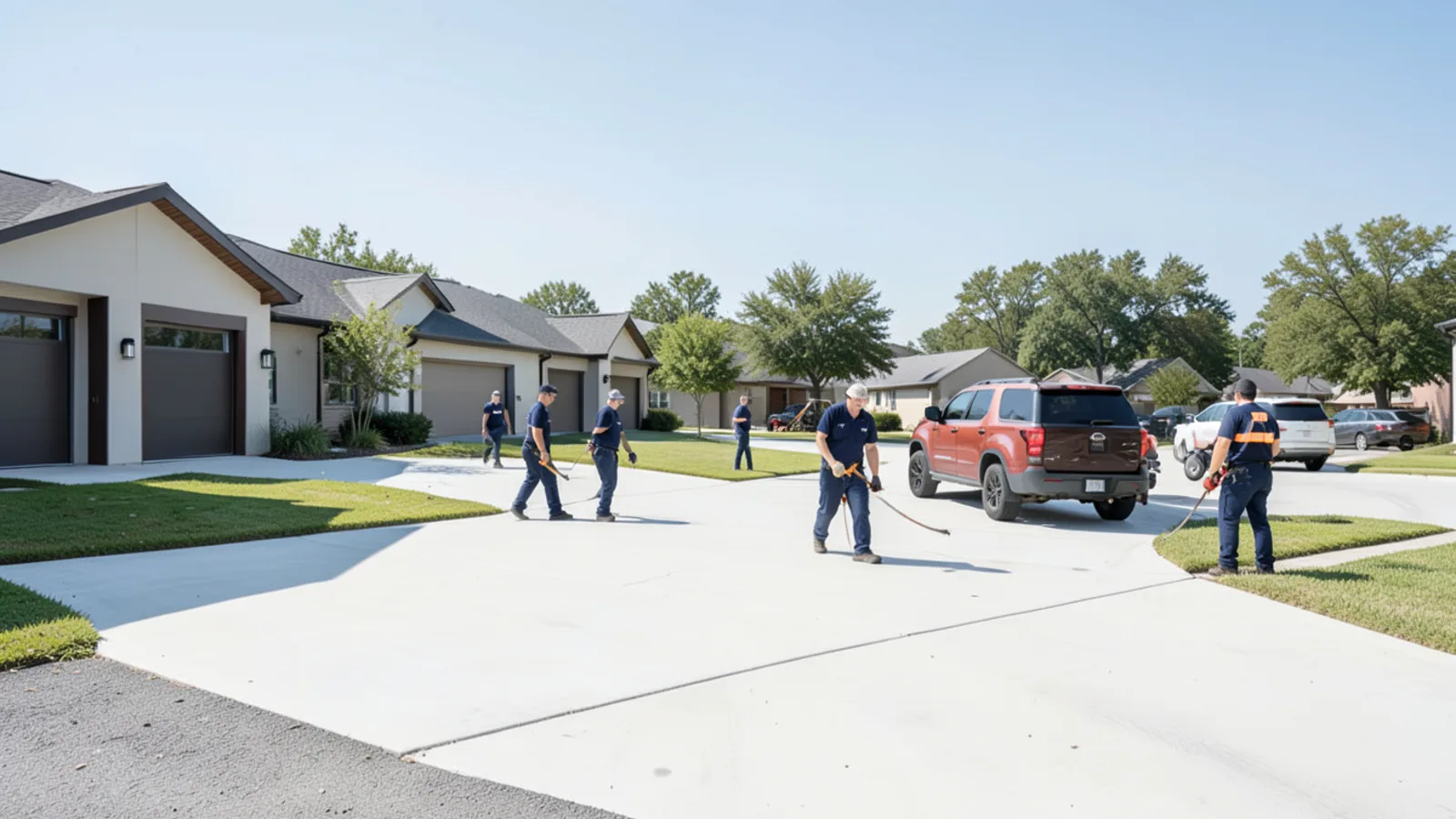
Contemporary subdivision residential street in Bryant, Saline County, AR
22 min from Hub
Saline County

Bryant, AR

One of Central Arkansas’s fastest-growing suburban cities; 2000s–2020s slab subdivisions where plumbing supply breaks, attic HVAC condensation, and Hurricane Creek flash flooding dominate.

View Local Coverage
Historic neighborhood street near the courthouse square in Benton, AR
28 min from Hub
Saline County

Benton, AR

Historic county seat featuring pre-WWII Craftsman bungalows on pier-and-beam crawlspaces around the courthouse square alongside modern subdivisions; Saline River flood exposure and chronic crawlspace humidity.

View Local Coverage
Residential college town avenue near university campus in Conway, AR
32 min from Hub
Faulkner County

Conway, AR

The "City of Colleges" (UCA, Hendrix, Central Baptist) with extensive student and multi-family rental housing where leaks go unreported during semester breaks; Lake Conway lowland drainage challenges; Faulkner County severe storm exposure.

View Local Coverage
Single family neighborhood streetscape near Little Rock Air Force Base in Jacksonville
28 min from Hub
Pulaski County

Jacksonville, AR

Home of Little Rock Air Force Base (LRAFB); significant military rental housing where frequent PCS relocations leave properties temporarily vacant; severe impact from the March 31, 2023 EF3 tornado track across northern residential sectors.

View Local Coverage

Central Arkansas Restoration Field Documentation

Visual examples of typical water damage scenarios, containment setups, and structural drying equipment across the Little Rock metropolitan area.

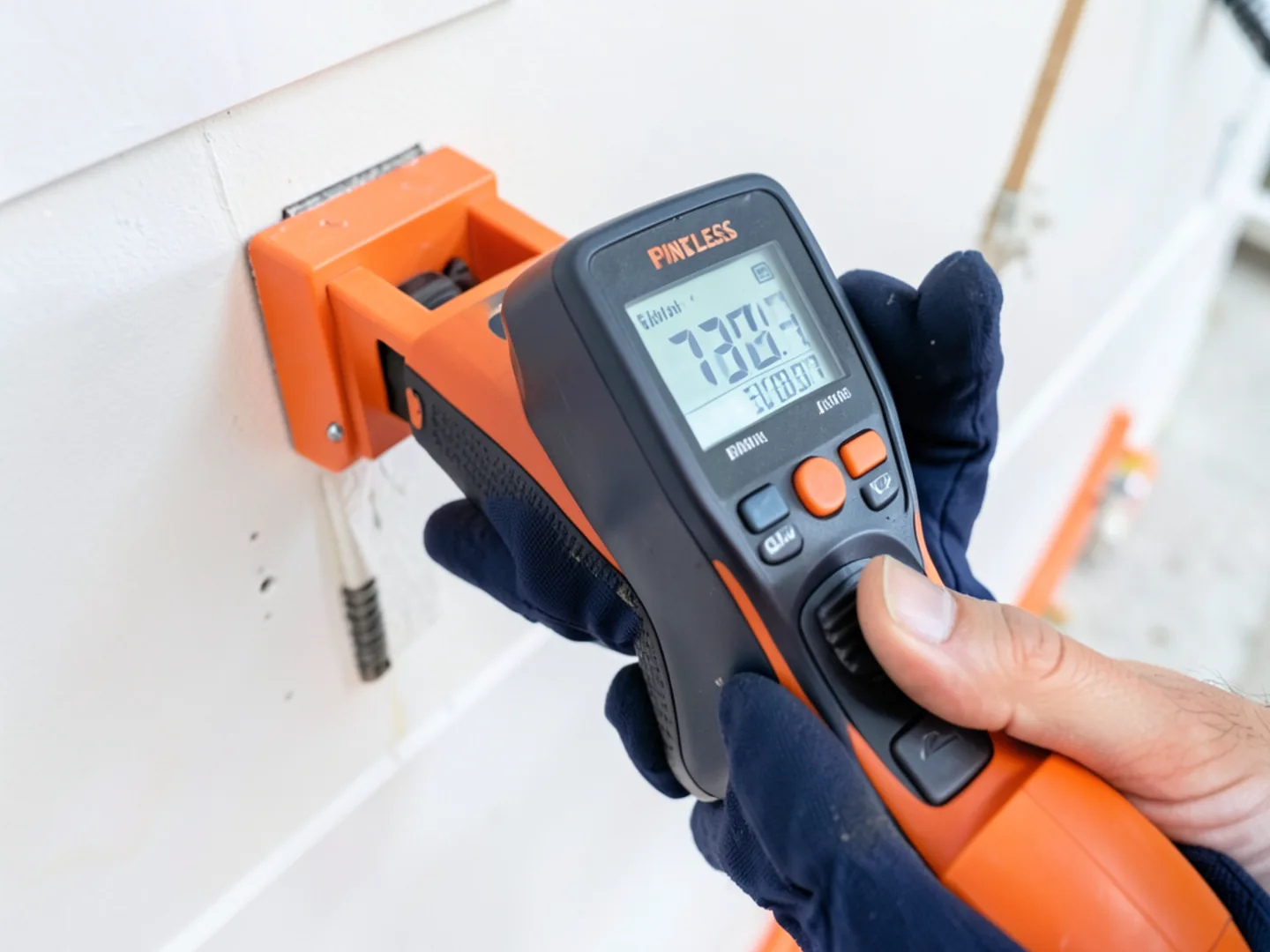
Moisture meter reading wood framing saturation inside a Little Rock wall cavity
Little Rock, AR

Digital Moisture Mapping

Pinless moisture meter checking damp drywall behind baseboard to detect hidden structural moisture.

Thermal imaging camera locating hidden moisture pooling beneath subfloor
Midtown, Little Rock

Infrared Thermal Imaging

Infrared imaging revealing cool damp patterns invisible to the naked eye beneath subflooring.

Technician inspecting pier-and-beam crawlspace joists in a Heights home
The Heights, Little Rock

Pier-and-Beam Crawlspace Drying

Checking subfloor framing for condensation and foundation runoff in historic bungalow homes.

Weighted rover vacuum extracting standing water from saturated carpet and pad
North Little Rock, AR

Weighted Vacuum Extraction

Physical water removal before setting dehumidification equipment across saturated carpet and pad.

Injectidry floor mat system drawing moisture out of cupped oak hardwood flooring
Pleasant Valley, Little Rock

Negative-Pressure Hardwood Drying

Negative pressure drying mats saving solid oak wood flooring from permanent warping and cupping.

LGR commercial dehumidifiers lined up for rapid moisture removal
West Little Rock, AR

Commercial Dehumidifier Staging

Commercial LGR drying fleet deployed across multi-room water loss to pull ambient humidity.

Educational Resources & Preparedness

Arkansas Property Owner Guides

Grounded in state codes & NWS meteorological data
6 min read

Pipes Burst in a Little Rock Freeze? What to Do in the First Hour

When a pipe bursts during a Central Arkansas hard freeze, immediately shut off your home’s main water valve at the street meter box or garage inlet, switch off electrical circuit breakers powering wet areas from a dry location, take timestamped photos of the water spread before touching anything, and call for emergency water extraction.

Read Guide→
7 min read

Tornado or Storm Damage in Central Arkansas: A 48-Hour Checklist

Following severe storms or tornadoes in Central Arkansas, your immediate 48-hour plan must focus on verifying personal safety, shutting off damaged utilities, securing emergency roof tarping and window board-up to prevent secondary rain intrusion, photographing all damage room-by-room, and calling an emergency restoration professional to begin water extraction.

Read Guide→
6 min read

Does Homeowners Insurance Cover Water Damage in Arkansas?

Standard Arkansas homeowners insurance policies (HO-3) cover sudden and accidental water discharges—such as burst frozen pipes, ruptured water heater tanks, or washing machine hose failures—but exclude gradual leaks, maintenance neglect, rising floodwaters from outdoors, and sewer backups unless an optional endorsement is purchased.

Read Guide→

Ready to Connect with a Central Arkansas Restoration Specialist?

Call our dispatch desk directly at (702) 478-1007. Connect directly with restoration professionals equipped to inspect your home, halt moisture spread, and provide a clear, written restoration plan.

Frequently Asked Questions

Transparent answers regarding our 24/7 telephone dispatch service, local contractor licensing, and emergency water extraction in Little Rock.

Iron Group Restorations provides 24/7 telephone dispatch and educational resources connecting property owners across Little Rock and Central Arkansas with emergency restoration professionals for rapid water extraction, storm cleanup, and mold remediation.

Dispatch Line Answered 24/7

Stop Water Damage Before Structural Mold Takes Hold

Call 24 hours a day, 7 days a week. We connect you with verified local restoration contractors serving Little Rock, North Little Rock, Sherwood, Maumelle, Bryant, Benton, Conway, and Jacksonville.

24/7 Dispatch DeskFree Call · No Obligation
Call (702) 478-1007