Sewage Backup Cleanup in Little Rock, AR
Category 3 biohazard extraction, controlled disposal of contaminated porous materials, hospital-grade antimicrobial sanitization, crawlspace soil treatment, and structural drying.
How Sewage Backup Cleanup Works in Central Arkansas
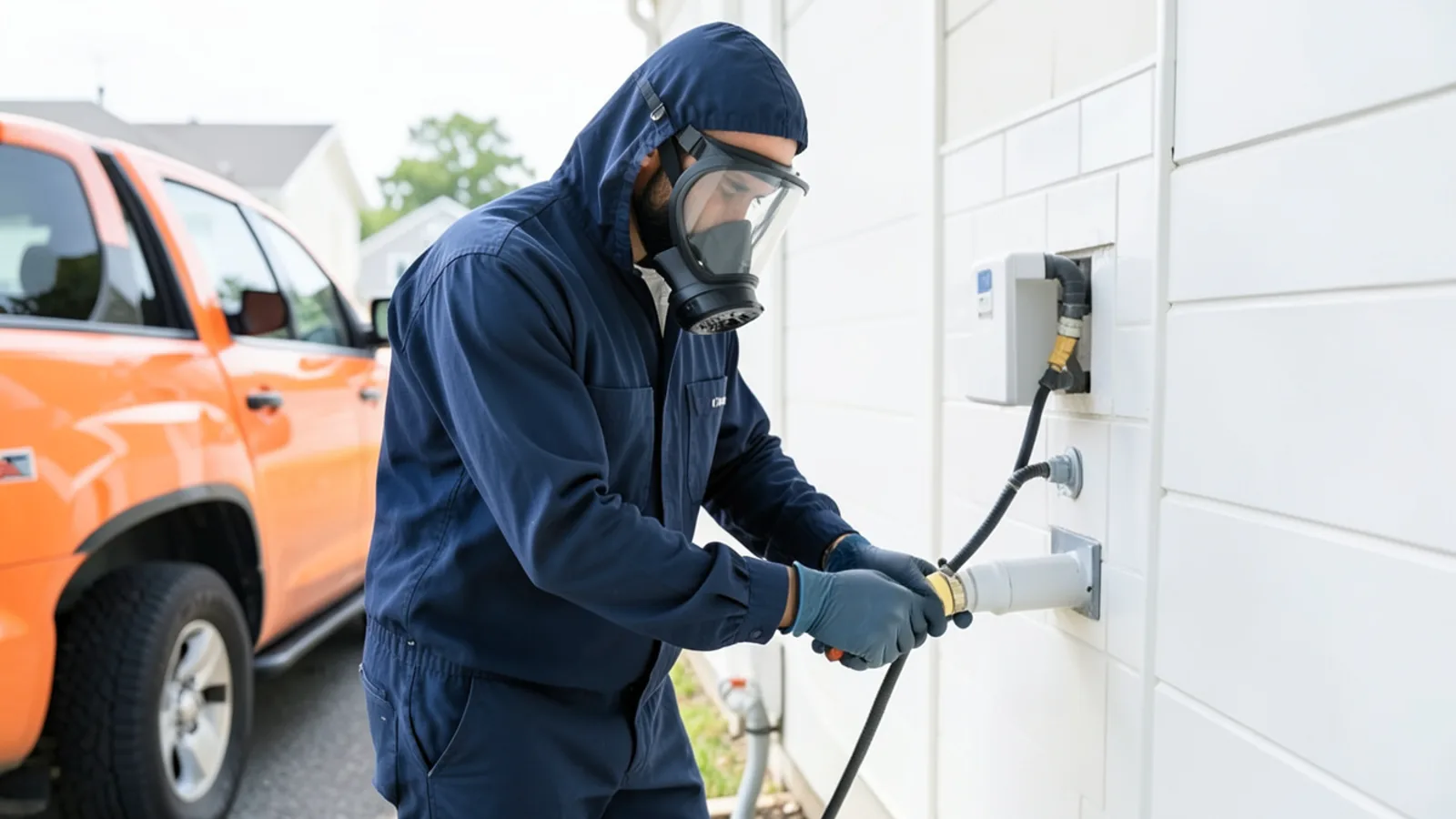
A sewage backup or toilet overflow is a hazardous biohazard emergency. Raw sewage is classified under ANSI/IICRC S500 as Category 3 "black water," carrying pathogenic viruses, parasitic organisms, and dangerous bacteria like E. coli and Salmonella. It poses immediate health risks to occupants and causes severe damage to flooring and structural framing. We connect property owners across Little Rock and Central Arkansas with independent local biohazard cleanup crews equipped with full personal protective equipment (PPE), biohazard extraction machinery, and hospital-grade EPA-registered disinfectants.
What This Service Includes
Every job begins with non-invasive moisture mapping and follows standardized ANSI/IICRC protocols to ensure safe, verifiable structural recovery:
Biohazard Safety Isolation & Containment
Establishing strict containment barriers and negative air pressure to prevent biological airborne pathogens from circulating into living areas.
Category 3 Liquid Waste Extraction
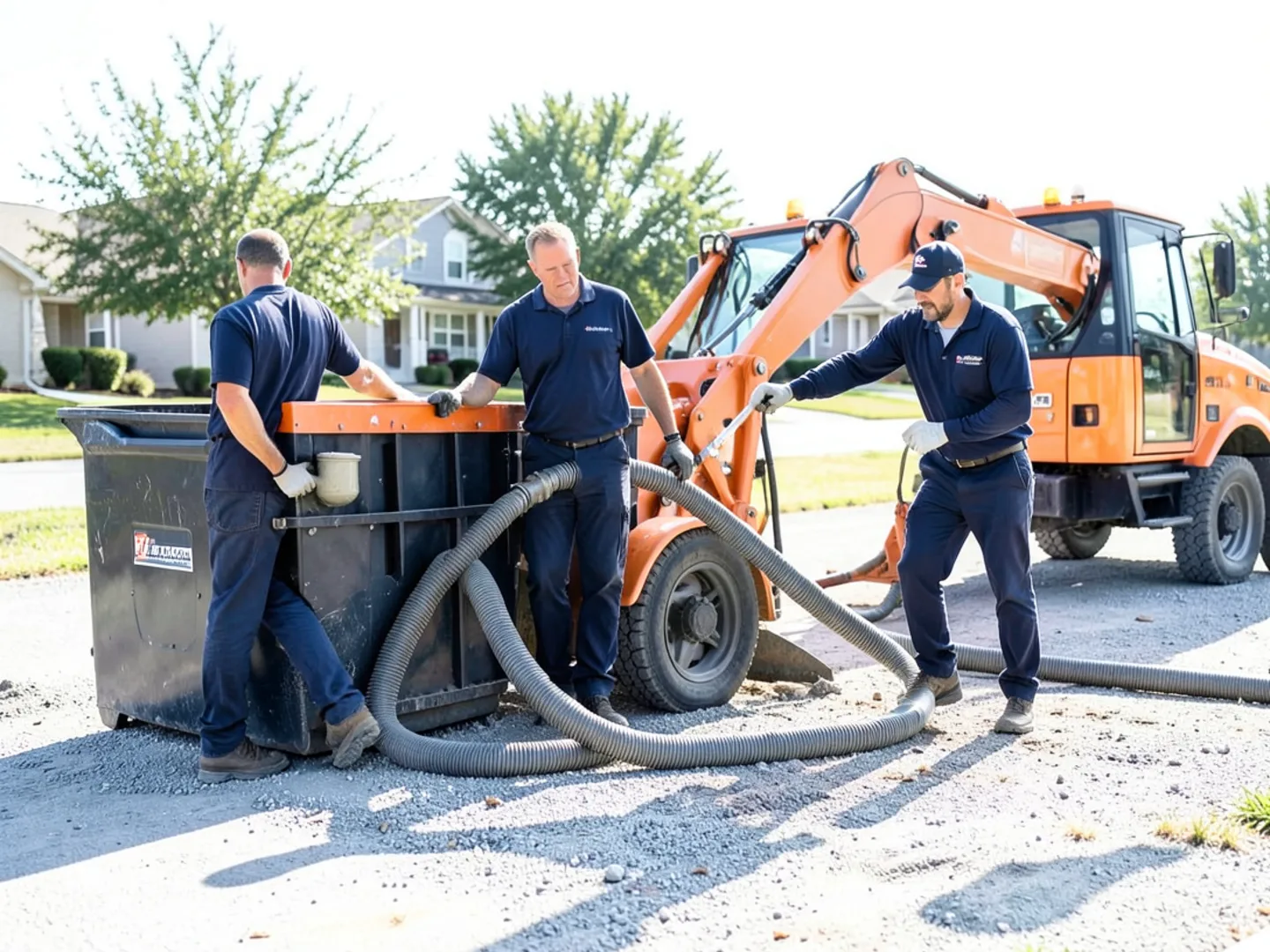
Extracting sewage wastewater and biohazardous liquids using dedicated sanitary extraction machinery and sealed disposal lines.
Controlled Removal of Saturated Porous Materials
Safely cutting out and double-bagging contaminated carpeting, padding, baseboards, and drywall per IICRC S500 biohazard standards.
Hospital-Grade Disinfection & Washing
Applying broad-spectrum EPA-registered antimicrobial disinfectants across concrete slabs, framing studs, and tile subfloors.
Crawlspace Soil Remediation
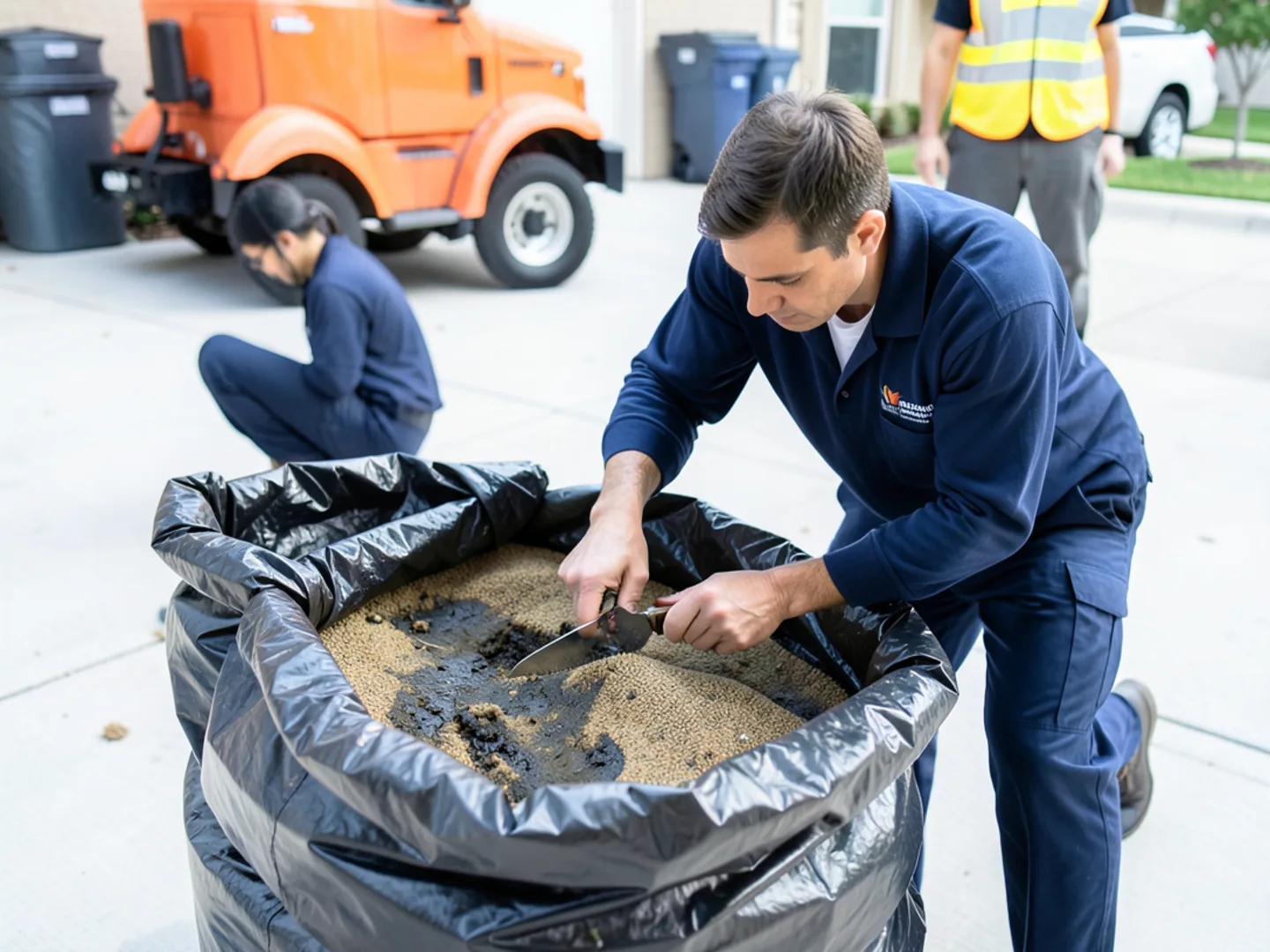
Removing contaminated crawlspace surface soil, applying agricultural lime to neutralize pathogens, and installing clean replacement vapor barriers.
Facing Active Damage Right Now?
Call our dispatch desk immediately at (702) 478-1007. We will connect you directly with an independent local contractor ready for rapid response.
Black Water Contamination & Biohazard Triage Matrix
Evaluating biohazard severity, pathogen risks, and decontamination protocols under ANSI/IICRC S500 Category 3 standards:
| Contamination Source | Pathogen & Biohazard Profile | Immediate Occupant Safety Action | Professional Remediation Protocol |
|---|---|---|---|
| Municipal Main Line Sewer Backup | Stormwater surcharges city mains during heavy Central Arkansas rain; raw sewage backs up through lowest basement and floor drains. | Evacuate flooded level immediately; shut off HVAC system; do not touch standing black water. | Biohazard containment, high-capacity sewage vacuum extraction, flood cut removal of sheetrock, and biocidal washing. |
| Tree Root Obstruction in Private Sewer Lateral | Historic clay or cast-iron pipes invaded by roots in older neighborhoods (The Heights, Hillcrest); toilets bubble and overflow. | Cease all water usage in the home; keep pets and children isolated from affected bathrooms. | Extraction, removal of contaminated porous subfloors, antimicrobial application, and plumber referral. |
| Crawlspace Sewer Pipe Severance | Pungent sewage odors rising through floorboards; saturated soil and raw black water pooling under pier-and-beam foundations. | Keep crawlspace access hatch sealed; shut off domestic water if sewage leak is active. | Crawlspace wastewater pumping, contaminated topsoil excavation, hydrated lime application, and 10-mil vapor barrier. |
| Multi-Floor Toilet Overflow (Grossly Contaminated) | Second-story toilet overflow carrying human waste; black water saturating ceiling joists, insulation, and lower-floor living spaces. | Shut toilet supply valve immediately; shut power to lower fixtures; place buckets to catch contaminated drips. | Controlled ceiling demolition, structural decontamination, hospital-grade broad-spectrum biocides, and HEPA scrubbing. |
| Sump Pump Sewage Pit Failure | Mechanical pump failure in basement or lower-level ejector pit; untreated effluent overflowing across finished basements. | Do not step into basement water due to electrocution risk; turn off basement electrical panel switch if dry. | Sewage extraction, disposal of non-salvageable carpet pad, negative-pressure containment, and psychrometric drying. |
Step-by-Step On-Site Restoration Workflow
Understanding each step of the mitigation process helps property owners navigate insurance claims and track progress from initial contact to the final dry standard.
Emergency Biohazard Dispatch
Call (702) 478-1007 immediately. Dispatch records contamination scope, directs building evacuation of affected areas, and alerts an independent local crew.
PPE & Containment Staging
Technicians suit up in full Tyvek protective gear, respirators, and heavy nitrile gloves, isolating the contaminated room with sealed plastic barriers.
Waste Extraction & Porous Demo
Standing sewage is pumped out, and non-salvageable porous materials (carpet, pad, drywall) that absorbed black water are removed for biohazard disposal.
Antimicrobial Scrubbing & Decontamination
Subfloors and structural studs are thoroughly washed with specialized detergents and treated with EPA-registered hospital-grade disinfectants.
Drying & Odor Neutralization
Air scrubbers with carbon filtration run continuously alongside commercial dehumidifiers until moisture meters confirm the structure is dry and sanitized.
Central Arkansas Soil & Architectural Realities
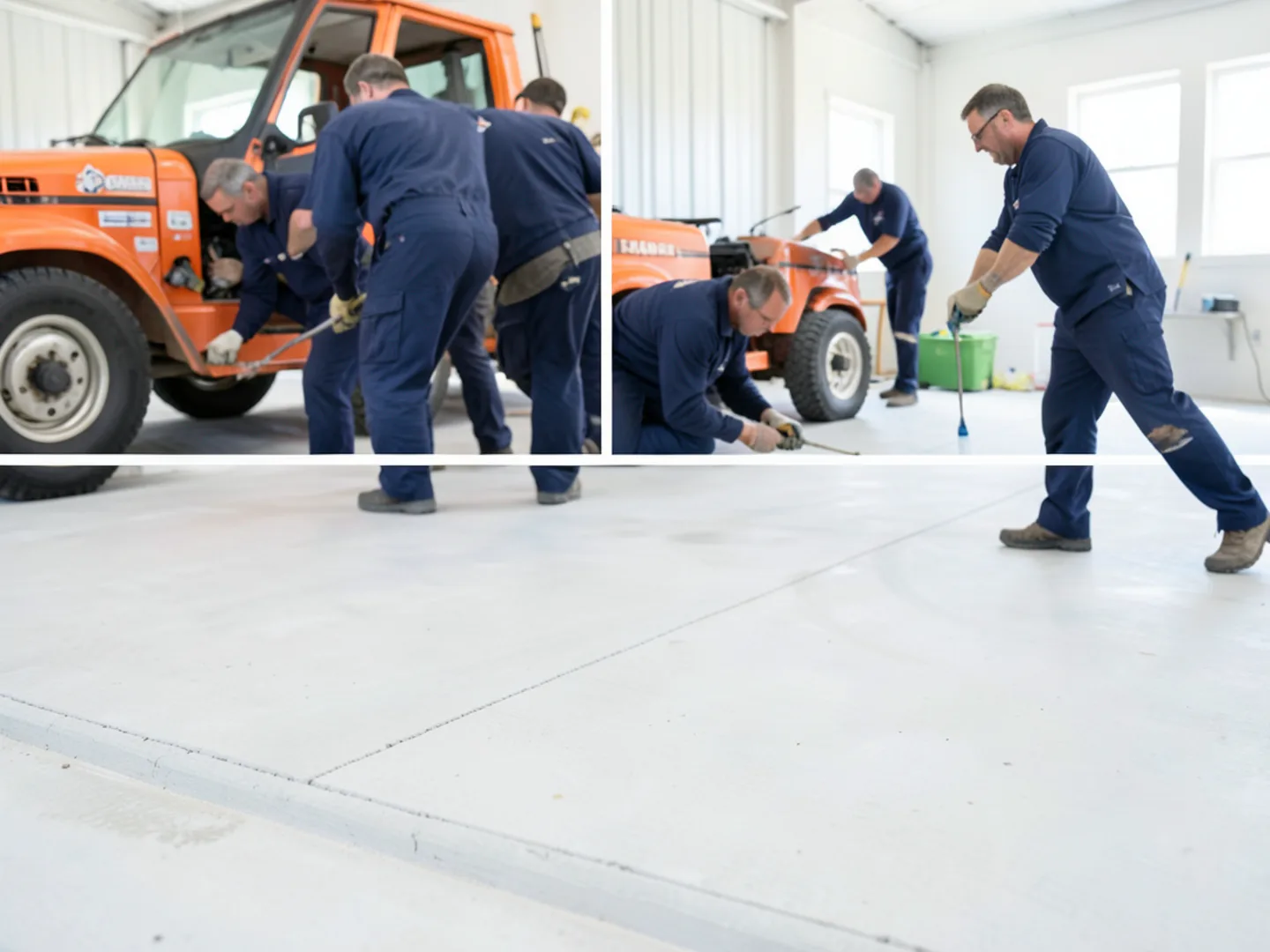
Sewage backups in Little Rock frequently stem from aging infrastructure. In historic neighborhoods like The Heights, Hillcrest, and older North Little Rock corridors, vintage clay and cast-iron sewer laterals are prone to severe tree root intrusion. When heavy spring rains fall across Pulaski County, municipal stormwater infiltration can surcharge sanitary sewers, forcing raw sewage backwards through floor drains, showers, and low-level toilets. When plumbing breaks discharge into a pier-and-beam crawlspace, specialized soil decontamination is required.
Factors That Influence Your Restoration Estimate
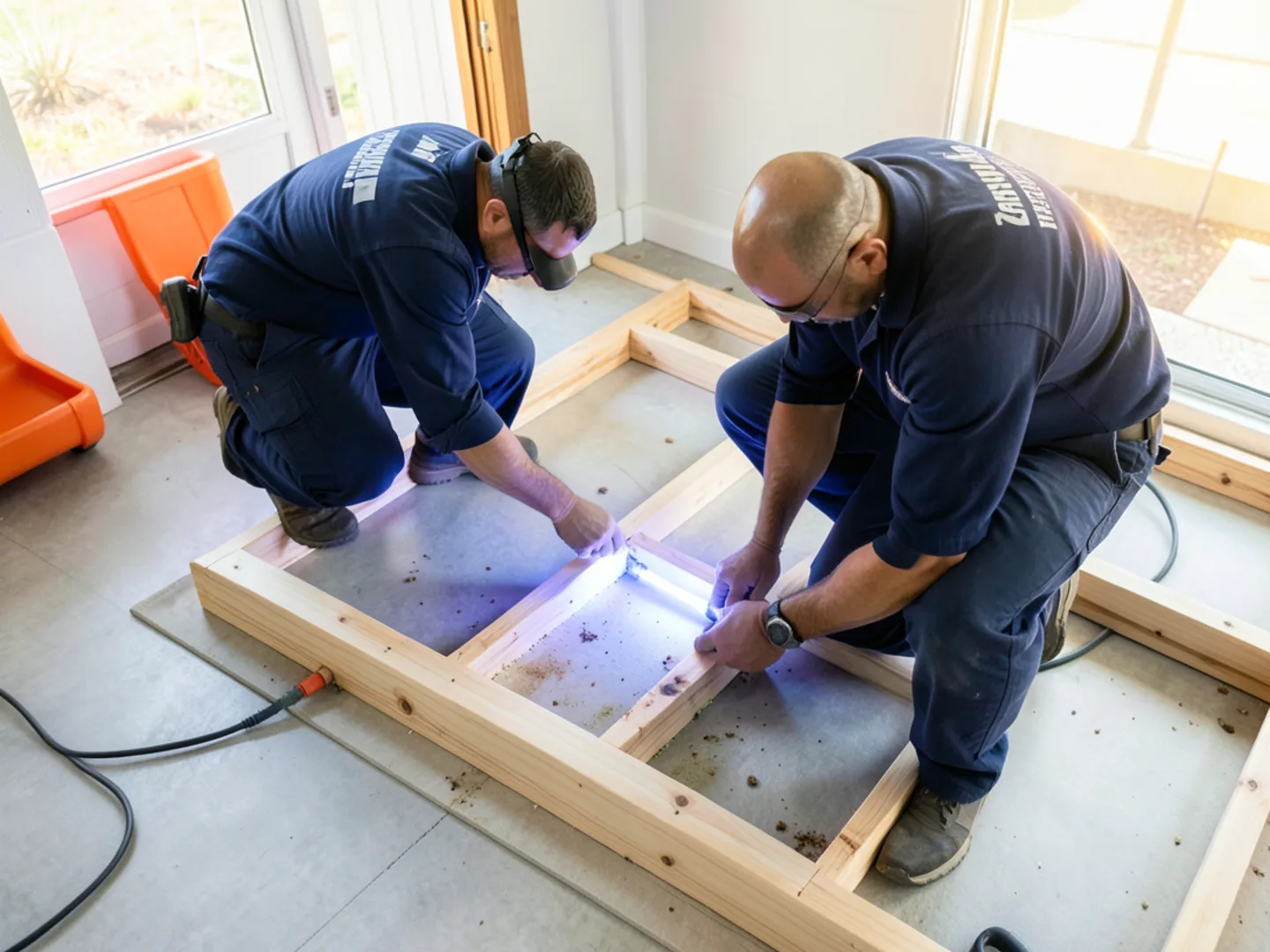
Sewage cleanup pricing reflects mandatory biohazard safety gear, specialized disposal fees for contaminated materials, and extensive antimicrobial washing.
| Restoration Scope Component | Attributed Industry Range | Technical Note |
|---|---|---|
| Localized Bathroom Sewage Extraction & Disinfection | $1,800 – $3,500 | Single-room sewage cleanup with toilet overflow extraction and sanitizing. |
| Multi-Room Floor Tear-Out & Decontamination | $3,500 – $8,000 | Carpet removal, drywall flood cuts, subfloor disinfection, and HEPA scrubbing. |
| Extensive Crawlspace Sewage Line Spill | $4,500 – $12,000+ | Pumping crawlspace waste, contaminated soil removal, liming, and vapor barrier replacement. |
Resolving the underlying drain obstruction or sewer pipe break requires an Arkansas-licensed master plumber. For subsequent structural reconstruction exceeding $2,000 (such as replacing bathroom subfloors, tile, and drywall), verify contractor licensing through the Arkansas Contractors Licensing Board (ACLB).
Where This Service Is Dispatched in Central Arkansas
Our 24/7 telephone desk connects property owners with independent restoration contractors operating throughout Pulaski, Saline, and Faulkner counties:
Related Restoration Services
Educational Guides & Articles
Sewage Backup Cleanup Frequently Asked Questions
Direct, honest answers regarding sewage backup cleanup timelines, insurance coverage, and procedures in Central Arkansas.
Category 3 water is grossly contaminated and contains pathogenic agents, bacteria, fungal spores, and viruses. Contact with raw sewage can cause serious gastrointestinal, skin, and respiratory infections; it requires professional biohazard containment and PPE.
Connect with a Sewage Backup Cleanup Specialist Today
Call 24/7 for rapid dispatch across Little Rock, North Little Rock, Sherwood, Maumelle, Bryant, Benton, Conway, and Jacksonville.