Fire & Smoke Damage Restoration in Little Rock
Comprehensive multi-hazard restoration including board-up enclosure, water extraction, dry chemical sponge soot cleaning, thermal fogging, hydroxyl deodorization, and structural sealing.
How Fire & Smoke Damage Restoration Works in Central Arkansas
After a residential or commercial fire is extinguished, the property faces three simultaneous crises: structural char, corrosive synthetic smoke residues, and massive volumes of firefighting water. Leaving acidic soot on fixtures or allowing standing firefighting water to remain unaddressed leads to rapid metal corrosion, permanent paint etching, and mold colonization. We connect property owners across Little Rock and Central Arkansas with independent local restoration professionals who provide emergency board-up, firefighting water extraction, chemical soot removal, and odor elimination.
What This Service Includes
Every job begins with non-invasive moisture mapping and follows standardized ANSI/IICRC protocols to ensure safe, verifiable structural recovery:
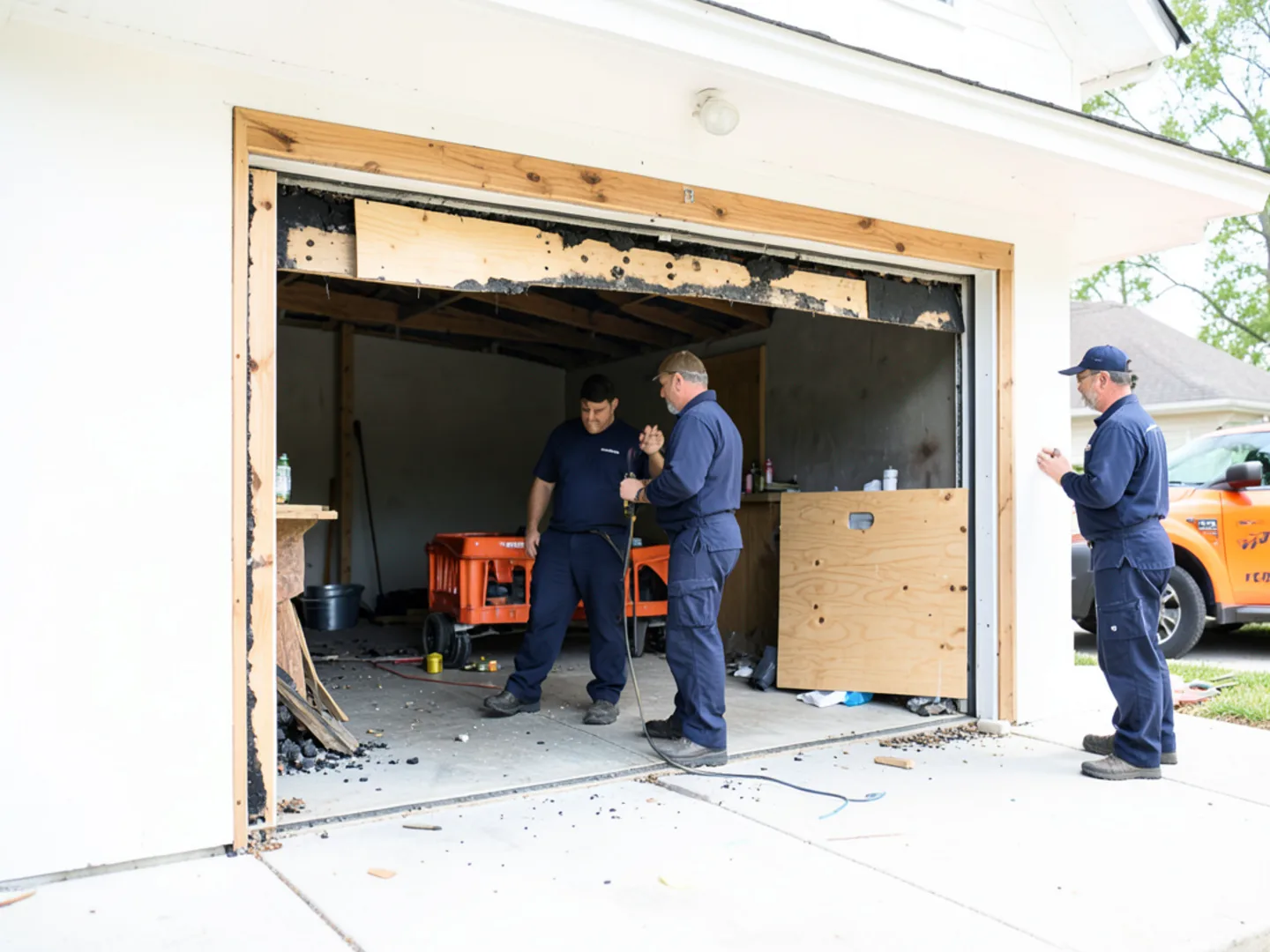
Emergency Board-Up & Structural Enclosure
Securing burned window openings, fractured doors, and breached roofs with structural plywood and heavy tarps to protect against weather and vandalism.
Firefighting Water Pump-Out & Structural Drying
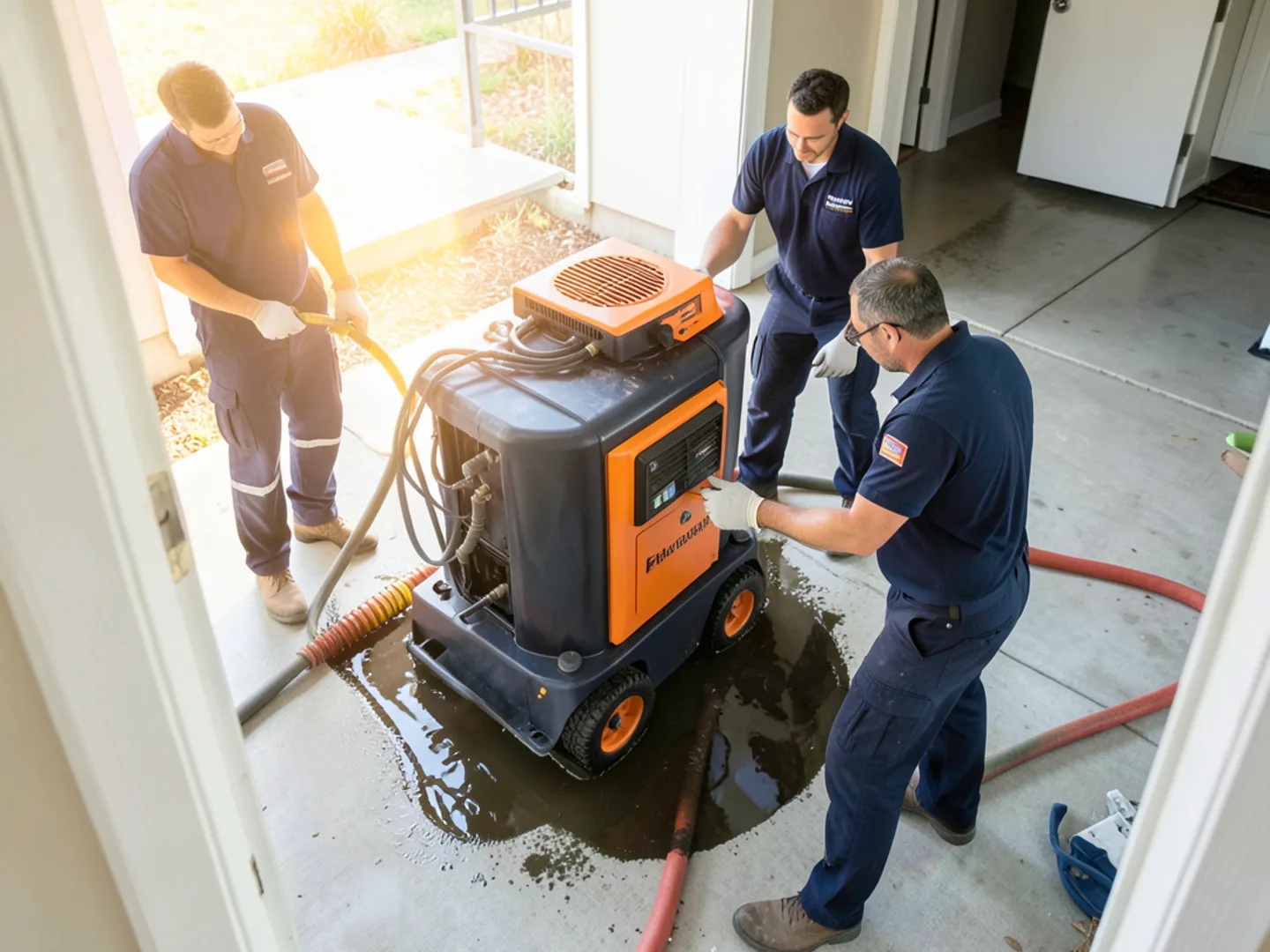
Rapidly extracting thousands of gallons of water pumped by fire hoses to halt secondary microbial rot and ceiling collapse.
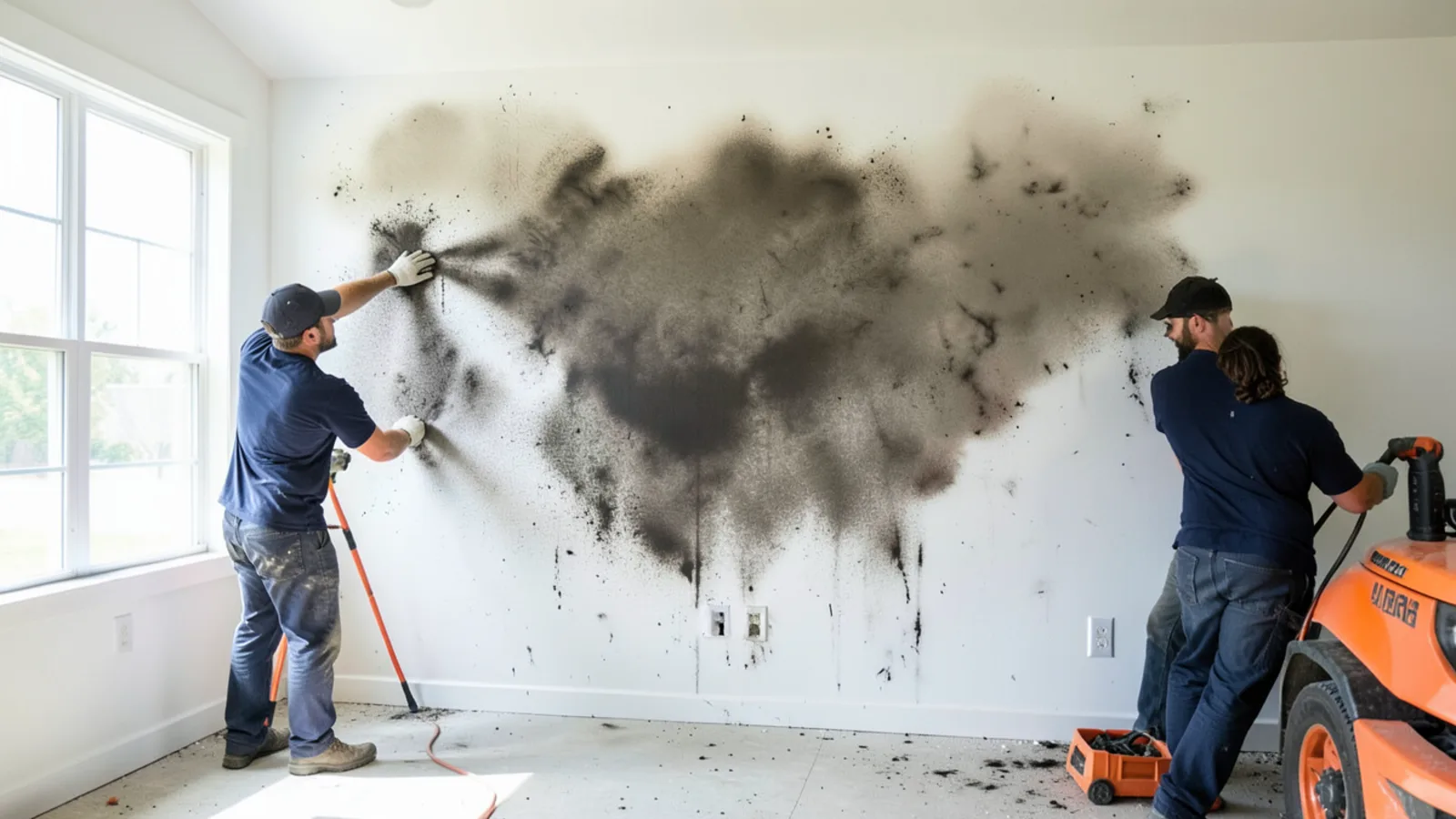
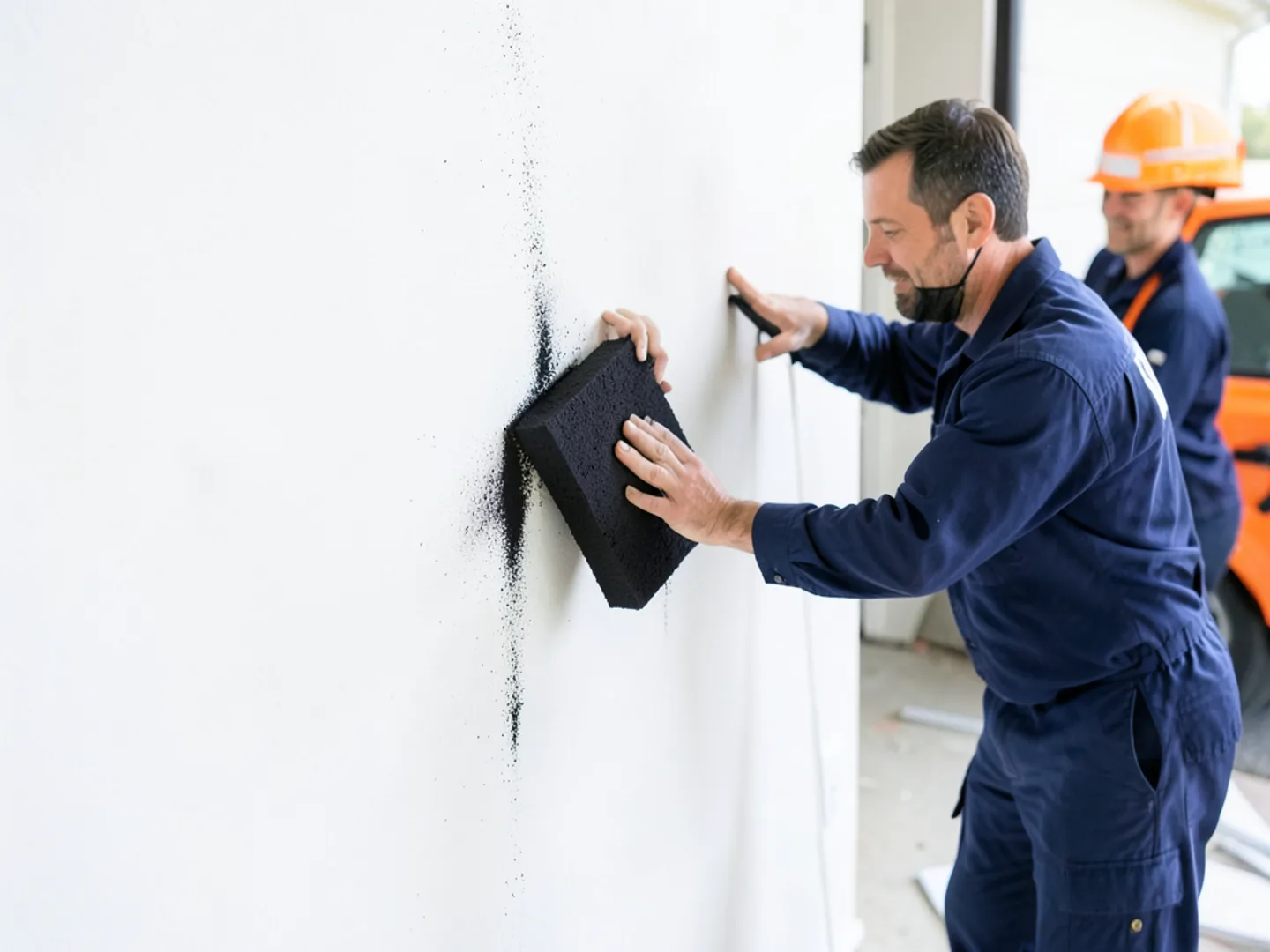
Dry Chemical Sponge Soot Removal
Utilizing specialized vulcanized rubber chemical sponges to lift dry and synthetic soot residues without smudging acidic particles into walls.
Molecular Odor Neutralization (Hydroxyl & Ozone)
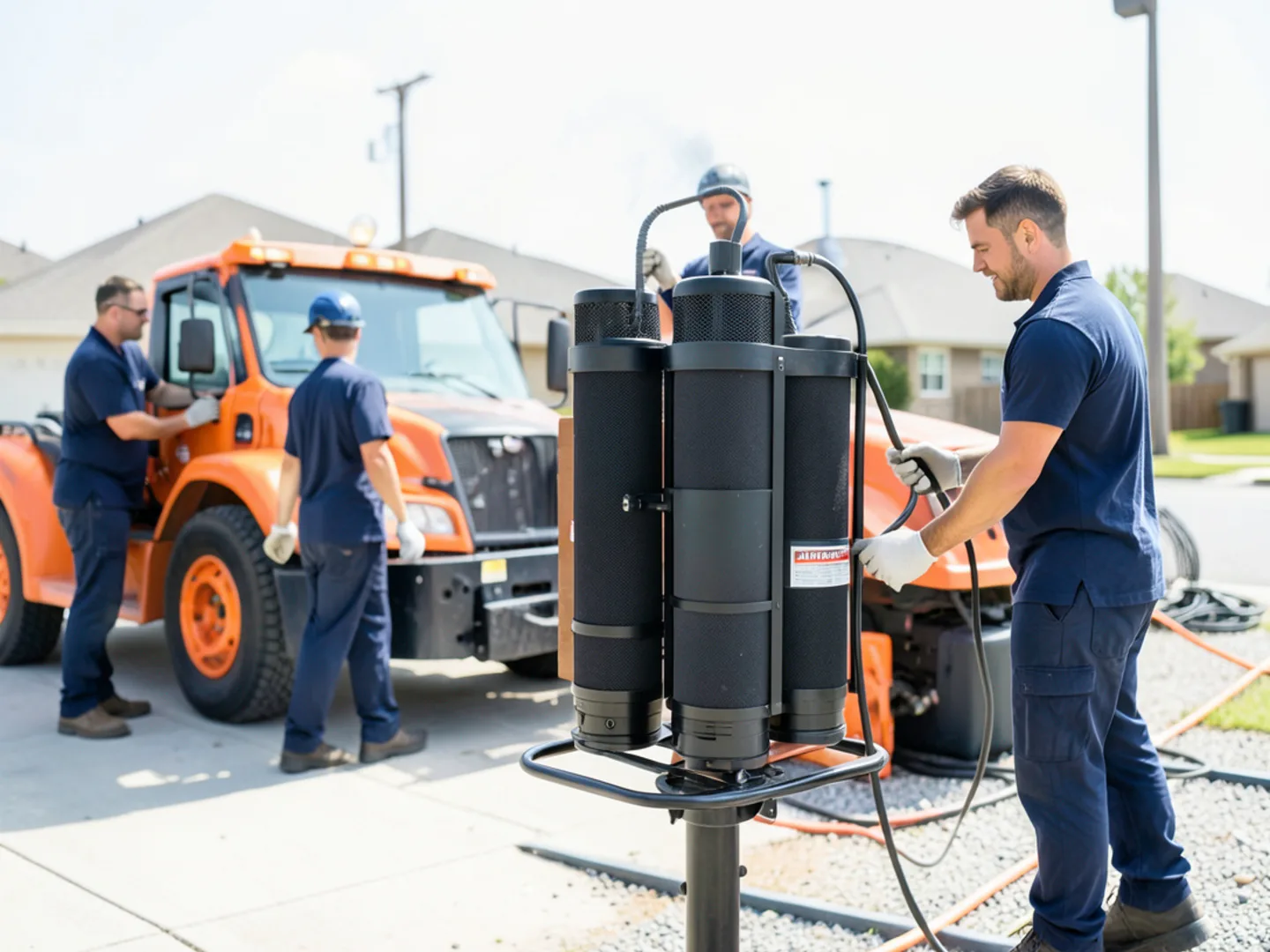
Deploying commercial hydroxyl generators and thermal foggers to neutralize volatile organic smoke compounds trapped in framing lumber.
Corrosion Control & Metal Stabilization
Treating plumbing fixtures, kitchen appliances, and metal surfaces with protective cleaning compounds to halt acid pitting.
Facing Active Damage Right Now?
Call our dispatch desk immediately at (702) 478-1007. We will connect you directly with an independent local contractor ready for rapid response.
Fire & Smoke Residue Impact Matrix
Analyzing damage characteristics, chemical behaviors, and remediation protocols across soot categories:
| Residue Category | Source & Visual Characteristics | Damage Mechanism | Professional Remediation Protocol |
|---|---|---|---|
| Dry Chemical Soot (High-Heat Fires) | Fast-burning paper, wood, and dry organic materials; produces dry, powdery, non-smeary soot deposits. | Avoid wiping with wet cloths; do not touch surfaces with bare hands as skin oils permanently set soot. | HEPA vacuuming, dry vulcanized chemical sponge wiping, and light alkaline detergent surface washing. |
| Wet / Synthetic Plastic Smoke (Smoldering) | Slow-burning plastics, rubber, foam cushions, and synthetic carpets; produces sticky, pungent, smeary black residue. | Ventilate if safe; do not drag furniture; avoid walking through soot onto clean carpet. | Solvent-based cleaning agents, thermal fogging deodorization, and encapsulation primers on structural studs. |
| Protein Smoke Residue (Kitchen Grease) | Burned food, cooking oil, or grease fires; leaves nearly invisible yellowish-amber film with extremely pungent, foul odor. | Do not paint over kitchen cabinets or walls; turn off kitchen exhaust fan to stop duct distribution. | Enzyme-based degreasing washes, air handler plenum decontamination, and commercial hydroxyl air treatment. |
| Corrosive Acidic Soot on Fixtures | Pitted bathroom chrome faucets, tarnished brass, discolored refrigerator and stove enamel finishes. | Wipe polished metal surfaces with light mineral oil or petroleum jelly to halt ongoing acid etching. | Immediate corrosion control application, metal polishing, and ultrasonic dipping for salvageable contents. |
| Firefighting Water Contamination | Thousands of gallons of hose water pooled in crawlspaces, basements, and flooring; rapid mold threat within 24-48 hours. | Evacuate standing water zones; do not operate electrical appliances; call (702) 478-1007 for emergency extraction. | Submersible trash pumping, truck-mounted extraction, wet insulation removal, and industrial LGR dehumidification. |
Step-by-Step On-Site Restoration Workflow
Understanding each step of the mitigation process helps property owners navigate insurance claims and track progress from initial contact to the final dry standard.
Emergency Contact & Site Assessment
Call (702) 478-1007 once the fire department gives clearance. An independent local crew is dispatched to evaluate safety, board-up needs, and water levels.
Security Board-Up & Tarping
Technicians seal windows, entry doors, and roof holes to secure the structure for insurance adjusters and prevent rain intrusion.
Firefighting Water Extraction
Crews immediately pump out pooling firefighting water and stage dehumidifiers to prevent mold growth on charred substrates.
Soot Cleaning & Surface Decontamination
Technicians identify soot types (dry, wet, oily, or protein) and execute targeted chemical sponge and vacuum cleaning.
Odor Sealing & Reconstruction Handoff
Framing is treated with odor-blocking sealant primers, and detailed itemized repair scopes are prepared for rebuilding.
Central Arkansas Soil & Architectural Realities
In older Little Rock neighborhoods such as The Heights, Hillcrest, and the Quapaw Quarter, homes feature vintage framing, lathe-and-plaster walls, and historic heart pine flooring. When fires occur in older structures, dense smoke penetrates plaster keys and hollow wall bays, requiring specialized deodorization methods that preserve historic architectural elements. Furthermore, the immense water volume used by the Little Rock Fire Department can flood historic pier-and-beam crawlspaces, requiring rapid combined water-and-fire remediation.
Factors That Influence Your Restoration Estimate
Pricing varies widely depending on structural fire severity, the square footage of soot and smoke migration, and the volume of water extracted.
| Restoration Scope Component | Attributed Industry Range | Technical Note |
|---|---|---|
| Emergency Board-Up & Window Enclosure | $500 – $1,800 | Securing breached windows, entryways, and roof openings with exterior plywood. |
| Firefighting Water Extraction & Drying | $1,500 – $5,000 | Evacuating hose water and setting commercial dehumidification equipment. |
| Smoke, Soot & Odor Remediation | $2,500 – $10,000+ | Comprehensive chemical soot cleaning, ductwork clearing, and hydroxyl odor treatment. |
Emergency mitigation, security board-up, and water pumping can proceed immediately. For the permanent reconstruction, framing replacement, roofing rebuild, and electrical remodeling exceeding $2,000, verify that your general contractor holds an active license with the Arkansas Contractors Licensing Board (ACLB).
Where This Service Is Dispatched in Central Arkansas
Our 24/7 telephone desk connects property owners with independent restoration contractors operating throughout Pulaski, Saline, and Faulkner counties:
Related Restoration Services
Educational Guides & Articles
Fire & Smoke Damage Restoration Frequently Asked Questions
Direct, honest answers regarding fire & smoke damage restoration timelines, insurance coverage, and procedures in Central Arkansas.
Fire hoses spray thousands of gallons of water into a burning structure. Saturated drywall, insulation, and framing will begin to grow mold within 24 to 48 hours if water extraction and commercial dehumidification do not begin immediately after the fire is out.
Connect with a Fire & Smoke Damage Restoration Specialist Today
Call 24/7 for rapid dispatch across Little Rock, North Little Rock, Sherwood, Maumelle, Bryant, Benton, Conway, and Jacksonville.