Mold Remediation & Removal in Little Rock, AR
Scientific microbial remediation including containment isolation, HEPA vacuuming, mechanical framing abrasion, antimicrobial washing, and crawlspace moisture stabilization.
How Mold Remediation & Removal Works in Central Arkansas
Central Arkansas’s long, humid summers combined with widespread pier-and-beam crawlspaces create an environment where mold growth can proliferate quickly following leaks or sustained humidity. When relative humidity remains elevated or water intrusion is left unaddressed beyond 48 hours, microscopic mold spores colonize drywall, subfloors, and framing lumber. We connect Little Rock homeowners with independent local remediation contractors who follow ANSI/IICRC S520 guidelines, establishing negative air pressure containment, HEPA filtration, and structural decontamination.
What This Service Includes
Every job begins with non-invasive moisture mapping and follows standardized ANSI/IICRC protocols to ensure safe, verifiable structural recovery:
Moisture Source & Fungal Assessment
Identifying underlying moisture drivers (crawlspace humidity, pipe seepage, roof breaches) and mapping visible and hidden fungal colonies.
Negative Air Pressure Containment
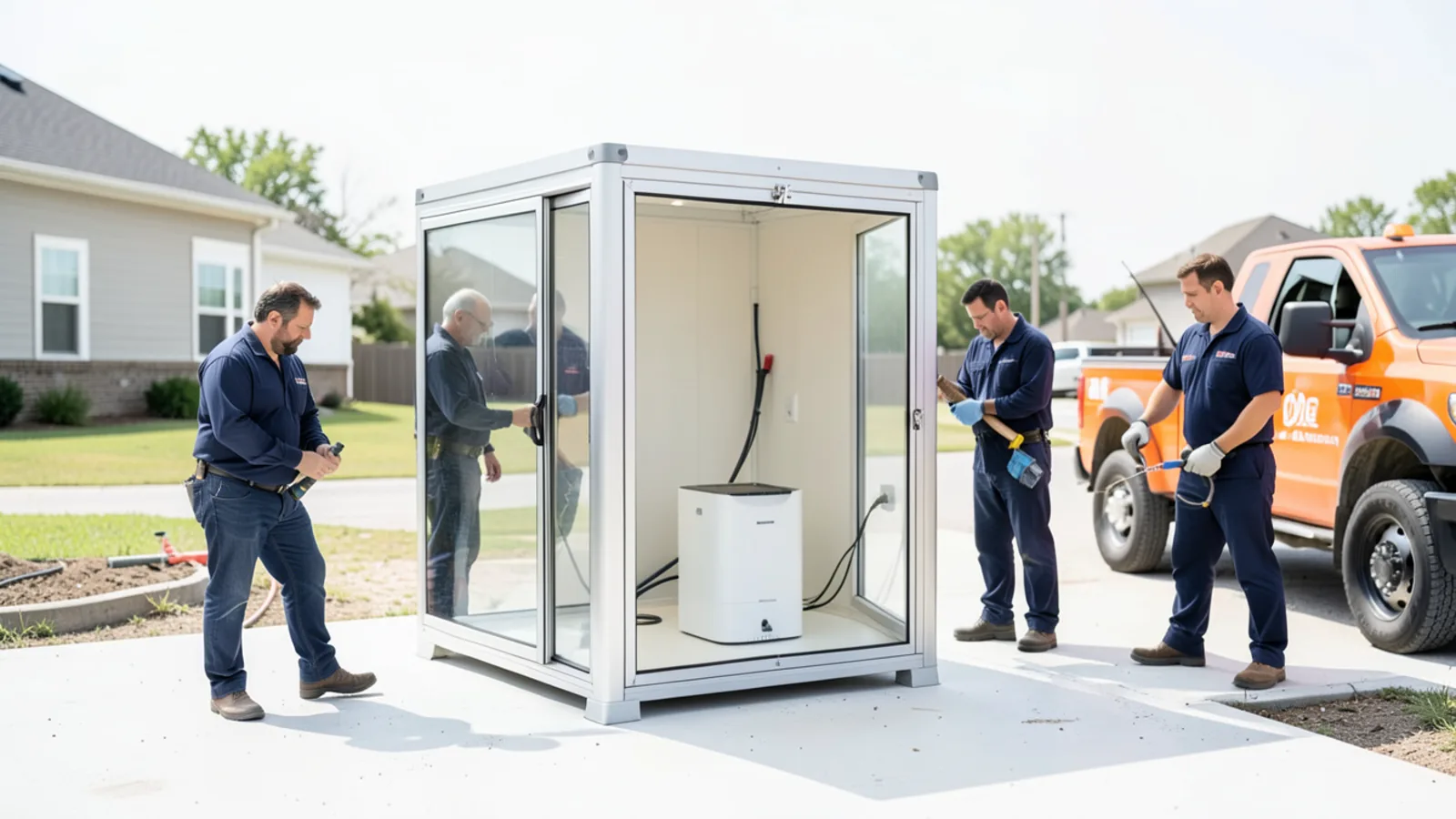
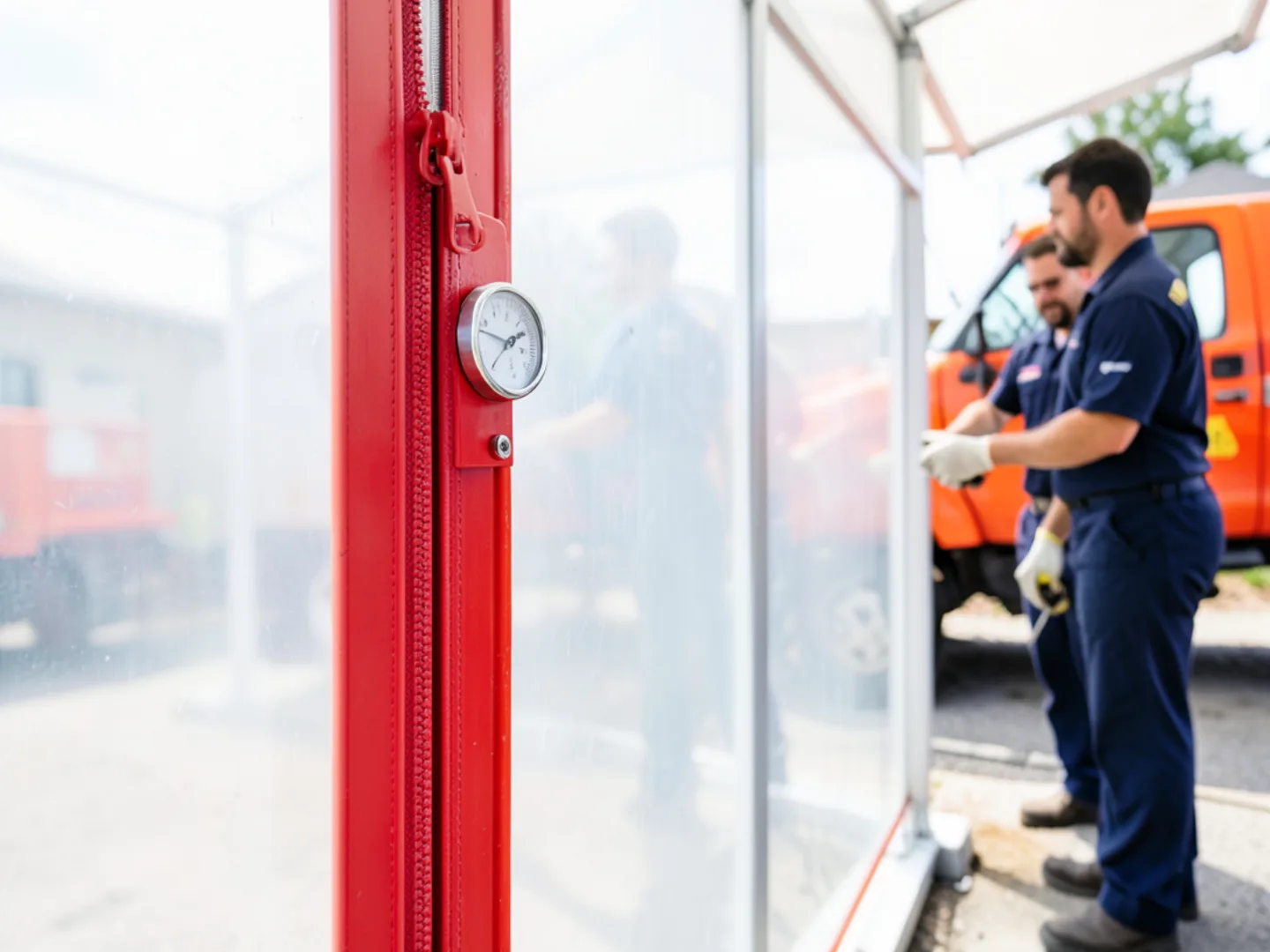
Erecting 6-mil poly containment barriers with critical seals over HVAC vents and negative air pressure machines venting exhausted air outdoors.
HEPA Air Filtration & Scrubbing
Running continuous industrial HEPA air scrubbers capturing 99.97% of airborne spores and particulate matter down to 0.3 microns.
Physical Fungal Removal & Framing Abrasion
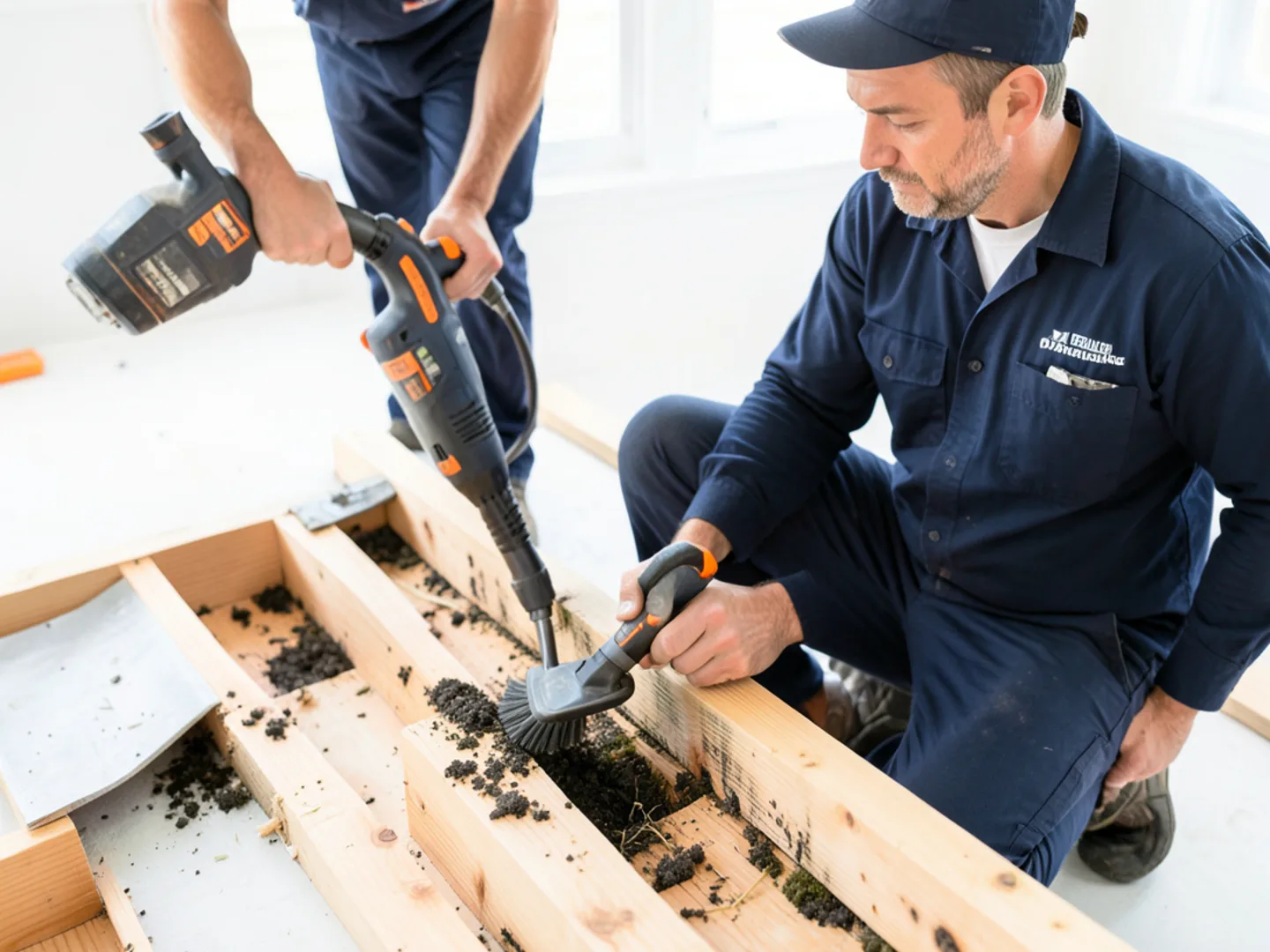
HEPA vacuuming and hand-sanding or dry-ice blasting fungal hyphae from structural wooden floor joists, subfloors, and studs.
EPA-Registered Antimicrobial Application
Treating cleaned structural framing with commercial antimicrobial washes and applying mold-resistant sealer coatings where appropriate.
Crawlspace Moisture Control & Vapor Barrier Installation
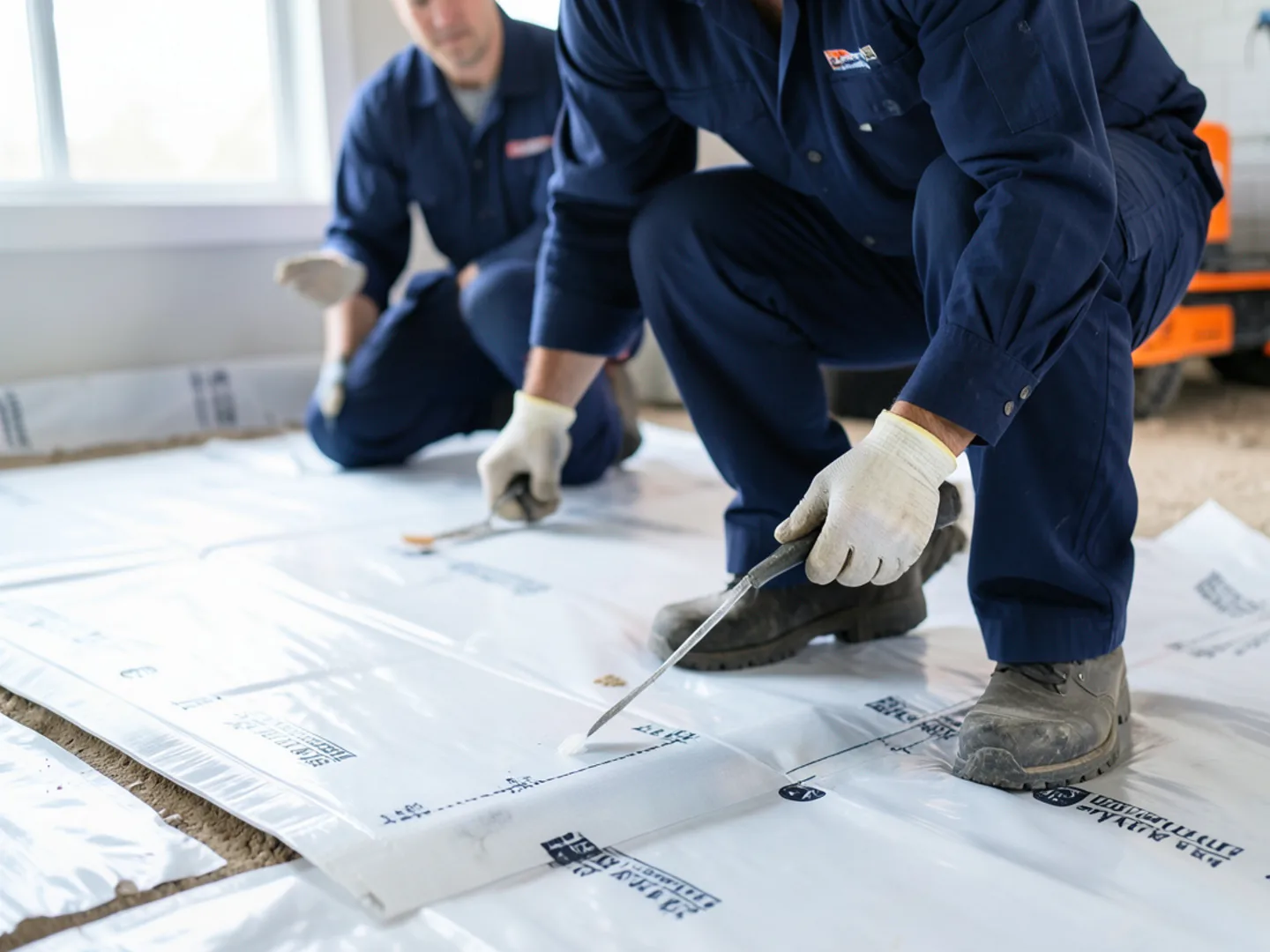
Installing heavy-duty reinforced polyethylene ground vapor barriers to halt ground soil moisture evaporation into subfloor wood.
Facing Active Damage Right Now?
Call our dispatch desk immediately at (702) 478-1007. We will connect you directly with an independent local contractor ready for rapid response.
Mold Colonization & Moisture Driver Matrix
Comparing common moisture mechanisms that trigger fungal growth in Central Arkansas homes:
| Moisture Mechanism | Visual & Sensory Indicators | Immediate Safe Response | Professional Remediation Protocol |
|---|---|---|---|
| Chronic Crawlspace Humidity Condensation | Pungent musty odors, cupping hardwood flooring, damp insulation batting sagging beneath floor joists. | Do not enter crawlspace without P100 respirator; keep crawlspace access door tightly closed. | Negative-pressure crawlspace containment, HEPA framing vacuuming, orbital sanding, and ground vapor barrier. |
| Unresolved Hidden Plumbing Seepage | Baseboard discoloration, peeling paint behind toilets, bubbling drywall behind shower enclosures. | Shut off individual fixture shutoff valve; avoid puncturing moldy drywall without containment. | Controlled flood cut removal of affected drywall, biocidal framing wash, and cavity dehumidification. |
| Delayed Water Extraction (>48 Hours) | Dark black or green spotting along base of sheetrock, fuzzy growth on damp carpet backing. | Quarantine room; turn off HVAC supply register to prevent spore distribution through ductwork. | Critical barrier containment, HEPA air scrubbing, removal of contaminated porous items, and S520 clearance. |
| Roof Flashing or Attic Rain Ingress | Attic framing darkening, musty odor in upstairs hallway, water staining around ceiling light fixtures. | Catch active leaks; avoid disturbing dry mold clusters without HEPA air filtration. | Saturated insulation removal, antimicrobial framing treatment, and attic cavity drying. |
| HVAC Air Handler Condensation Overflow | Water dripping into utility closet or ceiling, mold odor blowing through air supply registers. | Turn HVAC system off immediately to prevent spreading spores throughout the entire building. | Evaporator coil and drain pan sanitization, plenum decontamination, and ductwork inspection. |
Step-by-Step On-Site Restoration Workflow
Understanding each step of the mitigation process helps property owners navigate insurance claims and track progress from initial contact to the final dry standard.
Assessment & Containment Planning
Call (702) 478-1007. An independent local remediation professional inspects the affected living areas or crawlspaces, establishing the scope of containment required.
Airtight Containment Setup
Technicians seal the work zone with heavy plastic barriers and zippered access chambers, establishing negative air pressure so spores cannot migrate into clean rooms.
Controlled Removal of Contaminated Materials
Porous materials with deep fungal infiltration (such as water-damaged drywall, acoustic ceiling tile, and carpeting) are safely bagged and removed.
Structural Wood Decontamination
Non-porous and semi-porous framing lumber, floor joists, and subfloors undergo HEPA vacuuming, abrasive cleaning, and antimicrobial disinfection.
Structural Dehumidification & Clearance
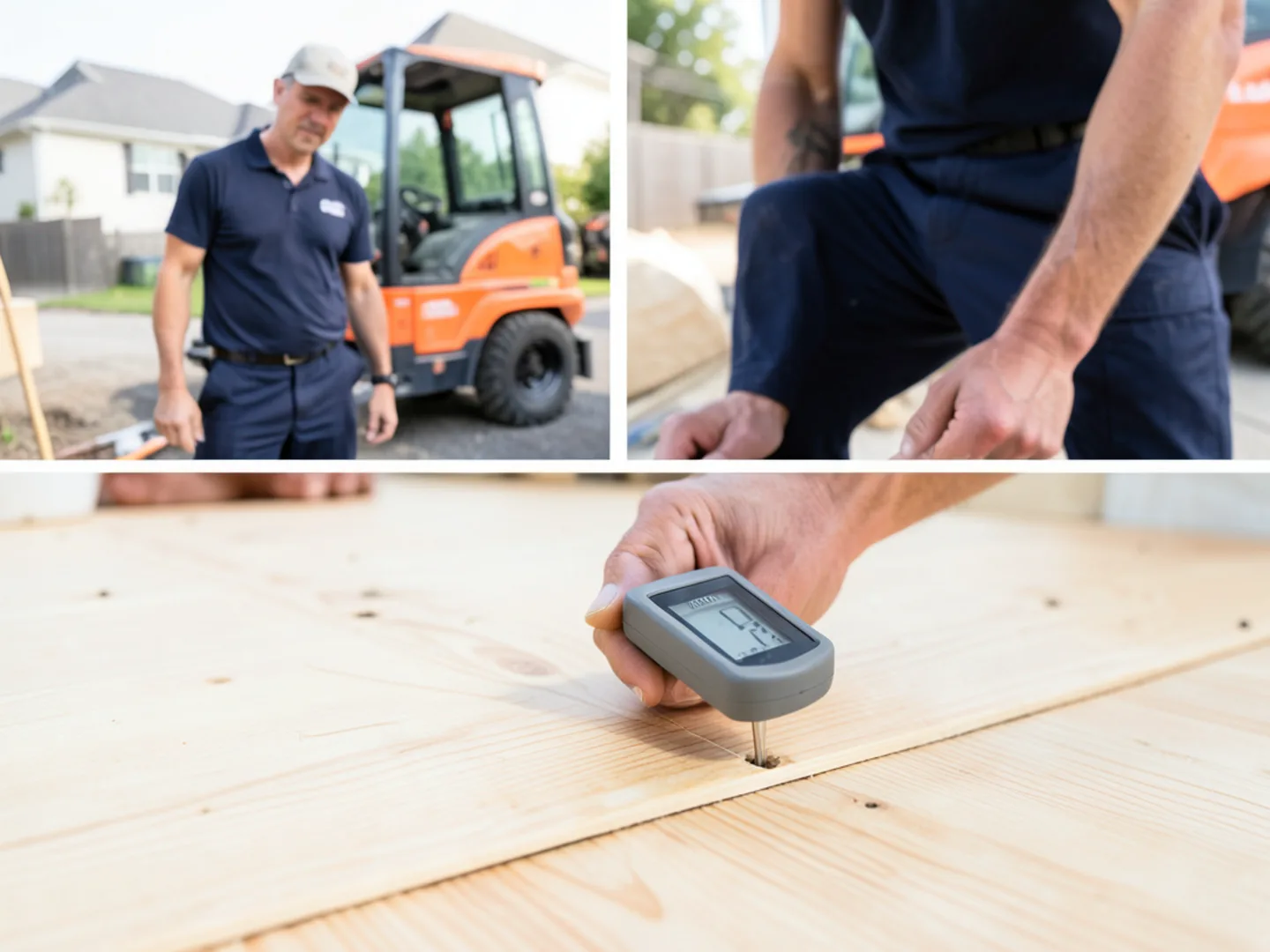
Commercial dehumidifiers dry framing lumber below 16% wood moisture content to ensure fungal regrowth cannot occur before containment is dismantled.
Central Arkansas Soil & Architectural Realities
Crawlspace moisture is a chronic challenge in Central Arkansas. In historic areas like The Heights, Hillcrest, and older parts of Benton and North Little Rock, unsealed crawlspaces allow warm, humid summer air (often exceeding 75% relative humidity) to enter through foundation vents. When this humid air encounters subfloor framing cooled by indoor air conditioning, condensation forms along joists and fiberglass insulation. Over time, the natural "stack effect" draws damp crawlspace air and mold spores up into the home’s living areas.
Factors That Influence Your Restoration Estimate
Remediation costs depend on the square footage of containment, whether crawlspaces require crawl-in structural sanding, HVAC ductwork involvement, and the volume of demolition required.
| Restoration Scope Component | Attributed Industry Range | Technical Note |
|---|---|---|
| Localized Containment Remediation (Single Room) | $1,500 – $3,500 | Isolating and remediating localized mold on drywall or behind cabinetry. |
| Crawlspace Subfloor Framing Remediation | $2,500 – $6,500 | HEPA vacuuming, framing abrasion, antimicrobial treatment, and vapor barrier installation. |
| Whole-Home Extensive Remediation | $6,000 – $12,000+ | Multi-room containment, HVAC system decontamination, and extensive drywall removal. |
The state of Arkansas does not issue a specific standalone mold remediation license. However, any structural demolition, reconstruction, or general remodeling work exceeding $2,000 must be performed by a contractor licensed through the Arkansas Contractors Licensing Board (ACLB). Property owners should verify ACLB licensing and confirm that technicians adhere to ANSI/IICRC S520 professional standards.
Where This Service Is Dispatched in Central Arkansas
Our 24/7 telephone desk connects property owners with independent restoration contractors operating throughout Pulaski, Saline, and Faulkner counties:
Related Restoration Services
Educational Guides & Articles
Mold Remediation & Removal Frequently Asked Questions
Direct, honest answers regarding mold remediation & removal timelines, insurance coverage, and procedures in Central Arkansas.
No. Spraying household bleach on porous structural framing fails to eliminate mold because bleach consists of approximately 90% water and 10% sodium hypochlorite. On porous wood, chlorine rapidly evaporates while residual water soaks into the wood grain, feeding deep fungal hyphae roots. ANSI/IICRC S520 professional standards mandate physical removal through HEPA vacuuming, mechanical framing abrasion, and EPA-registered botanical biocides.
Connect with a Mold Remediation & Removal Specialist Today
Call 24/7 for rapid dispatch across Little Rock, North Little Rock, Sherwood, Maumelle, Bryant, Benton, Conway, and Jacksonville.