
Sewage Backup in Little Rock: Whose Pipe Is It and What to Do
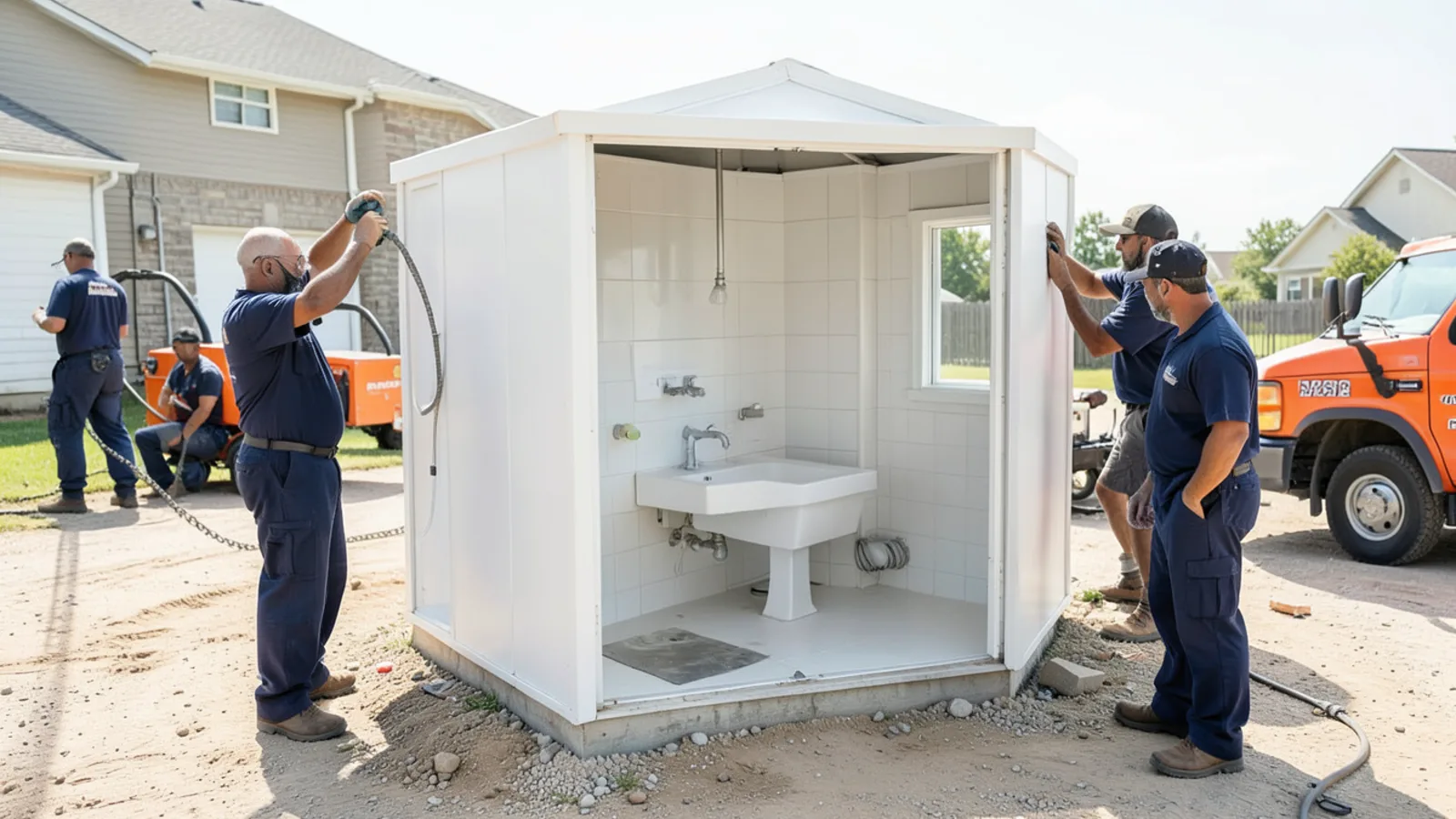
In Little Rock, property owners are legally responsible for maintaining and repairing the private sewer lateral from the building to the street main connection, while the Little Rock Water Reclamation Authority (LRWRA) is responsible for public collection mains located in city rights-of-way.
Understanding the Legal Boundary: LRWRA Public Mains vs Private Laterals
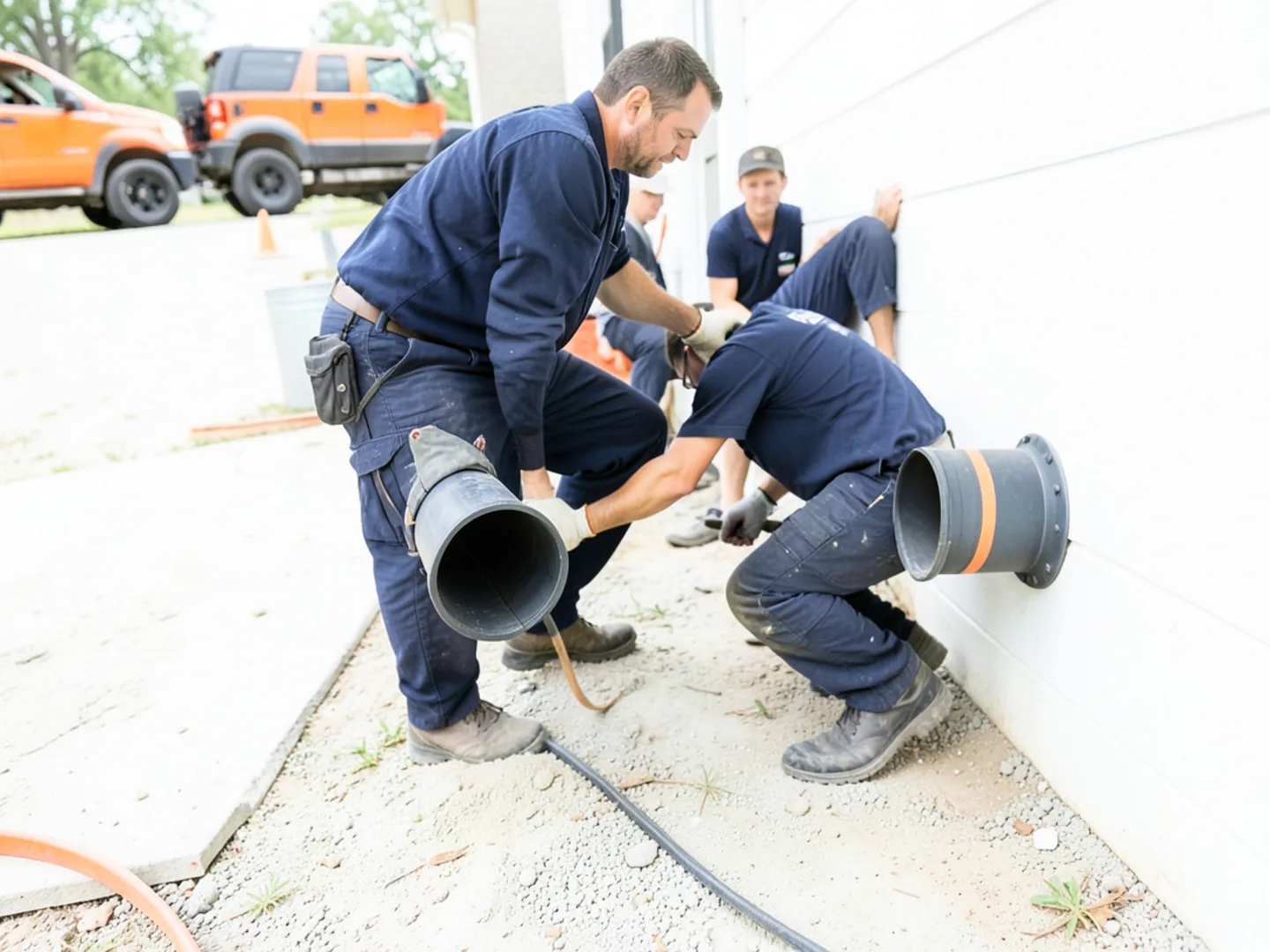
When raw sewage backs up into a bathtub, shower, or basement drain, property owners often assume the municipal utility is responsible. Under Little Rock municipal code and policies enforced by the Little Rock Water Reclamation Authority (LRWRA), the division of responsibility is straightforward: LRWRA owns, operates, and maintains the public sanitary sewer mains located in street rights-of-way and public easements. The individual property owner is solely responsible for the entire private sewer service line—known as the building lateral—from the plumbing fixtures inside the home all the way to its physical connection at the public sewer main, including the connection fitting itself.
Get Connected with a Local Contractor
Dispatch operates 24/7 across Little Rock, North Little Rock, Sherwood, Maumelle, Bryant, Benton, Conway, and Jacksonville.
Why Older Little Rock Neighborhoods Suffer Frequent Lateral Failures
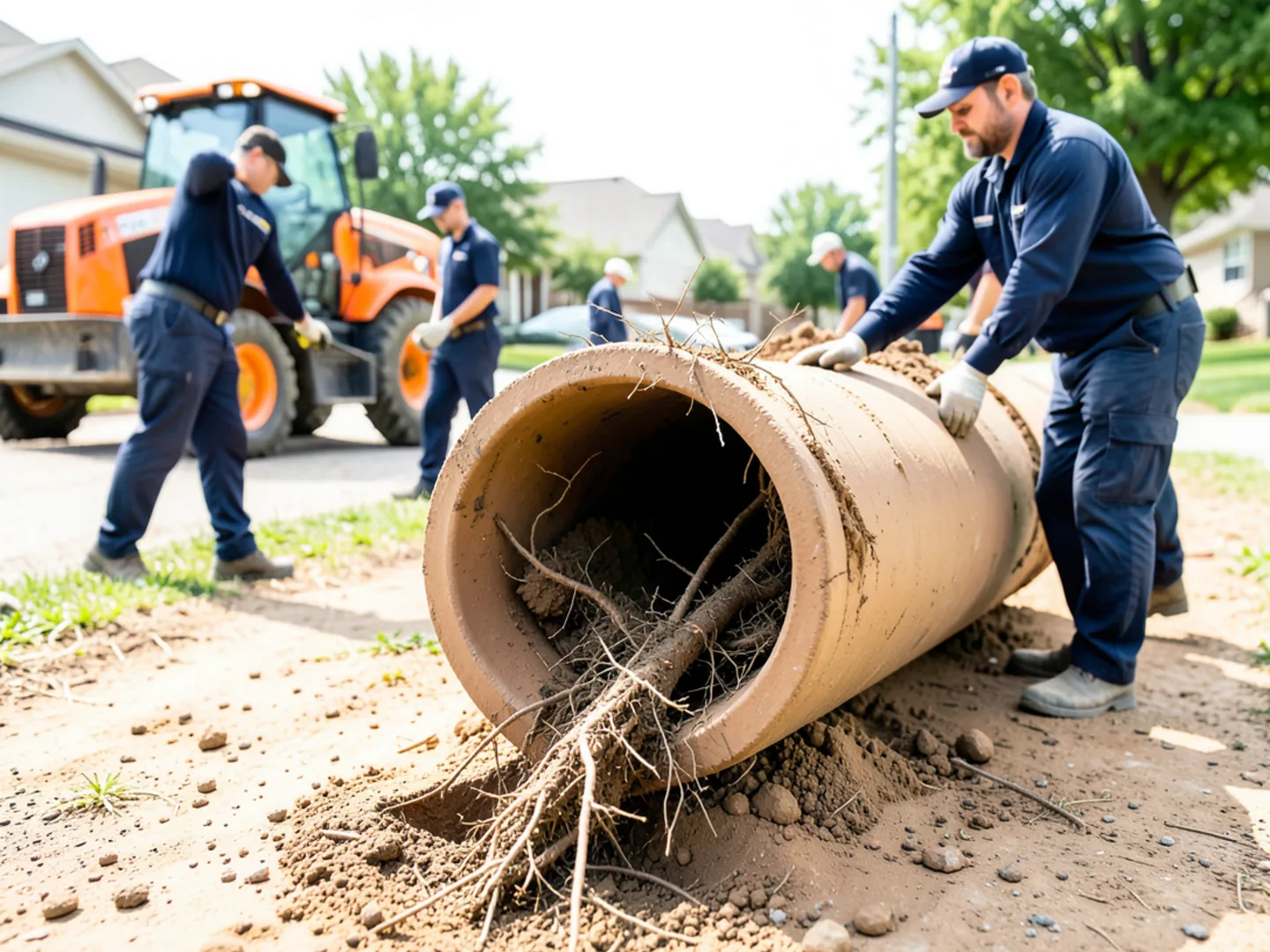
Private sewer lateral failures are especially common in historic Midtown, The Heights, Hillcrest, and older North Little Rock streets. Many homes built prior to 1970 feature vitrified clay, cast iron, or bituminous fiber (Orangeburg) lateral pipes. Over decades, mature oak and pine root systems penetrate pipe joints in search of water, creating dense root balls that snag toilet paper and solids. During heavy spring downpours, stormwater infiltration can surcharge compromised laterals, causing sewage to reverse flow into ground-floor plumbing.
The Biological Hazards of Category 3 Black Water
Sewage is not simply dirty water; ANSI/IICRC S500 standards classify sewage as Category 3 black water. Raw sewage contains dangerous biohazardous pathogens including bacteria (E. coli, Salmonella, Shigella), bloodborne viruses (Hepatitis A, rotavirus), and parasitic protozoa (Giardia, Cryptosporidium). Inhaling sewage aerosol particles or touching contaminated surfaces poses immediate risks of severe gastrointestinal and respiratory illness. Never attempt to clean a sewage backup with household towels or standard vacuum equipment.
Immediate Emergency Protocol: Evacuation, Power, and Containment
If sewage backs up into your home: 1. Evacuate all children, pets, and non-essential occupants from the affected area immediately. 2. Shut off your HVAC system at the thermostat to prevent air handlers from circulating biological contaminants into clean rooms. 3. Avoid electrical panels or outlets near standing wastewater. 4. Do not flush toilets or run sinks anywhere in the house. 5. Call (702) 478-1007 to dispatch professional biohazard cleanup teams equipped with PPE and specialized extraction units.
Step-by-Step Biohazard Decontamination Protocol for Finished Living Areas
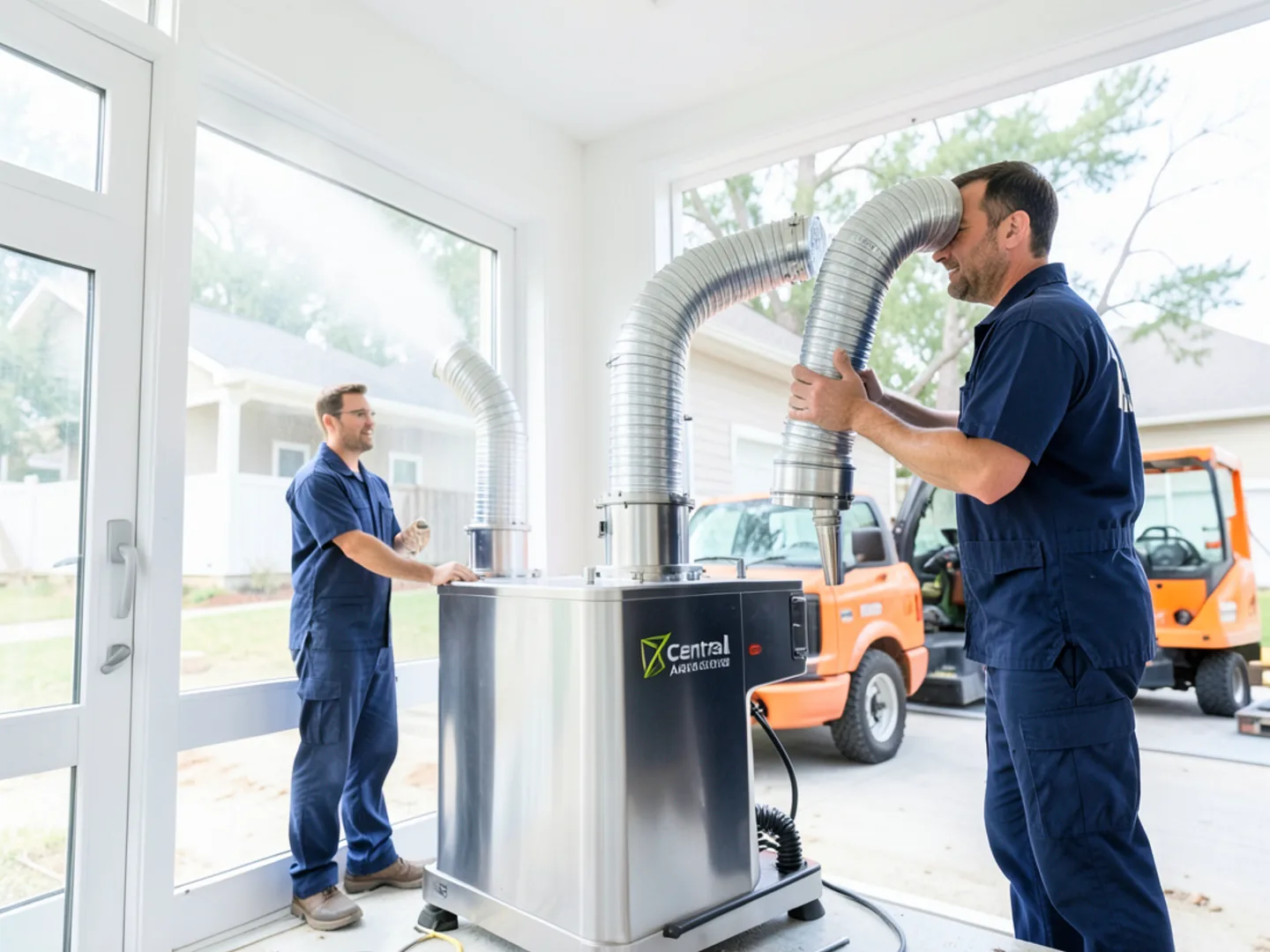
Restoring a home after a Category 3 sewage backup requires strict biological decontamination protocols that exceed standard cleaning practices. Once standing black water is extracted via sealed sanitary vacuum units, technicians isolate the work area with negative-air plastic containment barriers to prevent airborne bacteria from circulating into clean living zones. Saturated porous materials—including carpeting, padding, tack strips, and drywall cut 12 to 24 inches above the highest water mark—are double-bagged and removed for biohazard disposal. All remaining non-porous surfaces, concrete slabs, and wooden wall studs are mechanically scrubbed with specialized biocidal detergents and treated with EPA-registered hospital-grade disinfectants. Technicians operate commercial HEPA air scrubbers and dehumidifiers continuously until post-remediation moisture and clearance standards are verified.
Crawlspace Sewage Spills: Excavation, Liming, and Soil Remediation
When cast-iron or PVC sewer drain lines crack beneath older pier-and-beam homes in Midtown Little Rock or North Little Rock, raw sewage discharges directly onto the dirt crawlspace floor. Saturated crawlspace soil poses severe long-term biological hazards as dangerous pathogens seep into the earth and evaporate into living spaces through the stack effect. Remediating a crawlspace sewage spill requires specialized excavation: technicians in full Tyvek suits pump standing wastewater, shovel out the top 2 to 4 inches of saturated contaminated soil, double-bag the soil for biohazard disposal, and broadcast hydrated agricultural lime over the earth to neutralize bacteria and odor. Once the soil dries completely, an airtight 10-mil to 12-mil polyethylene vapor barrier is installed across the entire foundation footprint.
Sewer Responsibility Matrix: Little Rock Property Owner vs LRWRA
| Sewer Component | Responsible Entity | Maintenance Scope | Financial Responsibility |
|---|---|---|---|
| Public Sewer Main in Street | LRWRA | Clearing public main blockages & city main repairs | Covered by municipal utility |
| Private Lateral (House to Curb) | Property Owner | Clearing root clogs, line collapses, pipe jetting | Property owner out-of-pocket or insurance |
| Lateral Connection at Main | Property Owner | Maintaining structural connection to city main | Property owner responsibility |
| Interior Fixtures & Drains | Property Owner | Toilet maintenance, internal drain clearing | Property owner responsibility |
| City Main Surcharges (Manhole overflow) | LRWRA | Investigating municipal main overflows | Utility reviews on case-by-case basis |
Professional Contractor Perspective
To protect your home from municipal sewer surges, property owners in low-lying Central Arkansas neighborhoods should consult an Arkansas-licensed master plumber about installing an exterior backwater prevention check valve on the private lateral line. A backwater valve contains an internal flapper that allows waste to flow out toward the city main but automatically seals shut if wastewater attempts to reverse direction into your home.
In accordance with our editorial standards, our informational guides and process breakdowns are grounded in verifiable documentation from state licensing boards, municipal utility codes, and official meteorological data:
- 1.Little Rock Water Reclamation Authority (LRWRA) — Rules and regulations governing sewer laterals.
- 2.Arkansas Department of Health — Environmental sanitation and biohazard guidelines.
- 3.ANSI/IICRC S500 Standard and Reference Guide for Professional Water Damage Restoration. — ANSI/IICRC S500 Standard and Reference Guide for Professional Water Damage Restoration.