
Storm & Tornado Damage Restoration in Little Rock
Rapid weatherproofing stabilization, debris clearing, emergency roof tarping with wood battens, saturated insulation removal, and interior structural drying following severe weather.
How Storm & Tornado Damage Restoration Works in Central Arkansas
Central Arkansas sits squarely in a corridor vulnerable to extreme convective weather, high-wind supercells, and devastating tornadoes. When storm winds tear away shingles, breach roof decking, or drop heavy tree limbs onto residential homes, torrential rain immediately enters attics, soaking insulation and cascading into interior ceilings. We connect property owners across Little Rock, Sherwood, and Pulaski County with independent local restoration contractors who provide emergency roof tarping, window board-up, and structural water extraction.
What This Service Includes
Every job begins with non-invasive moisture mapping and follows standardized ANSI/IICRC protocols to ensure safe, verifiable structural recovery:
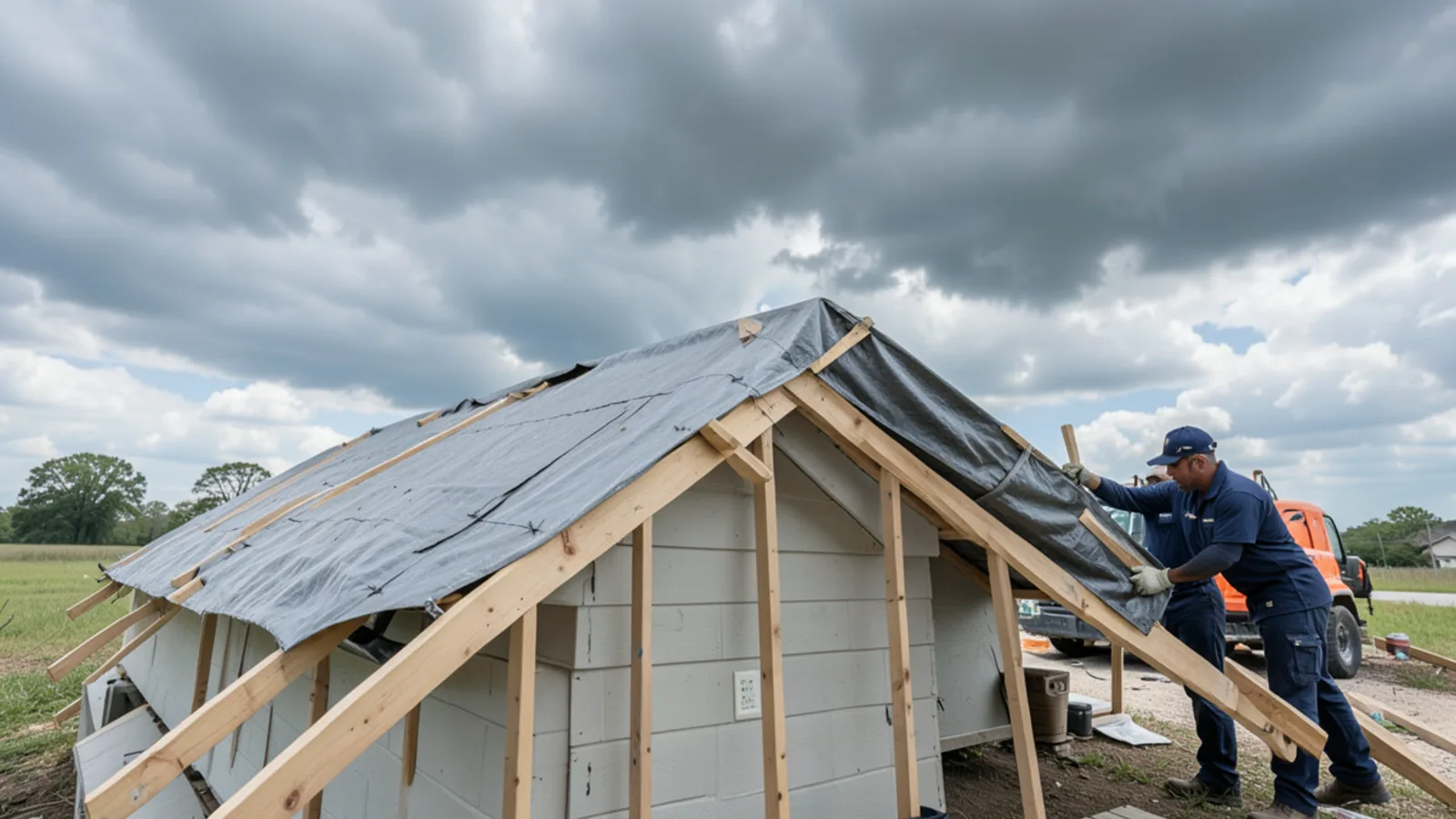
Emergency Roof Tarping & Enclosure
Securing heavy-duty UV-resistant tarps over missing shingles, damaged ridge caps, and punctured roof decking using wooden furring strips to prevent wind lift.
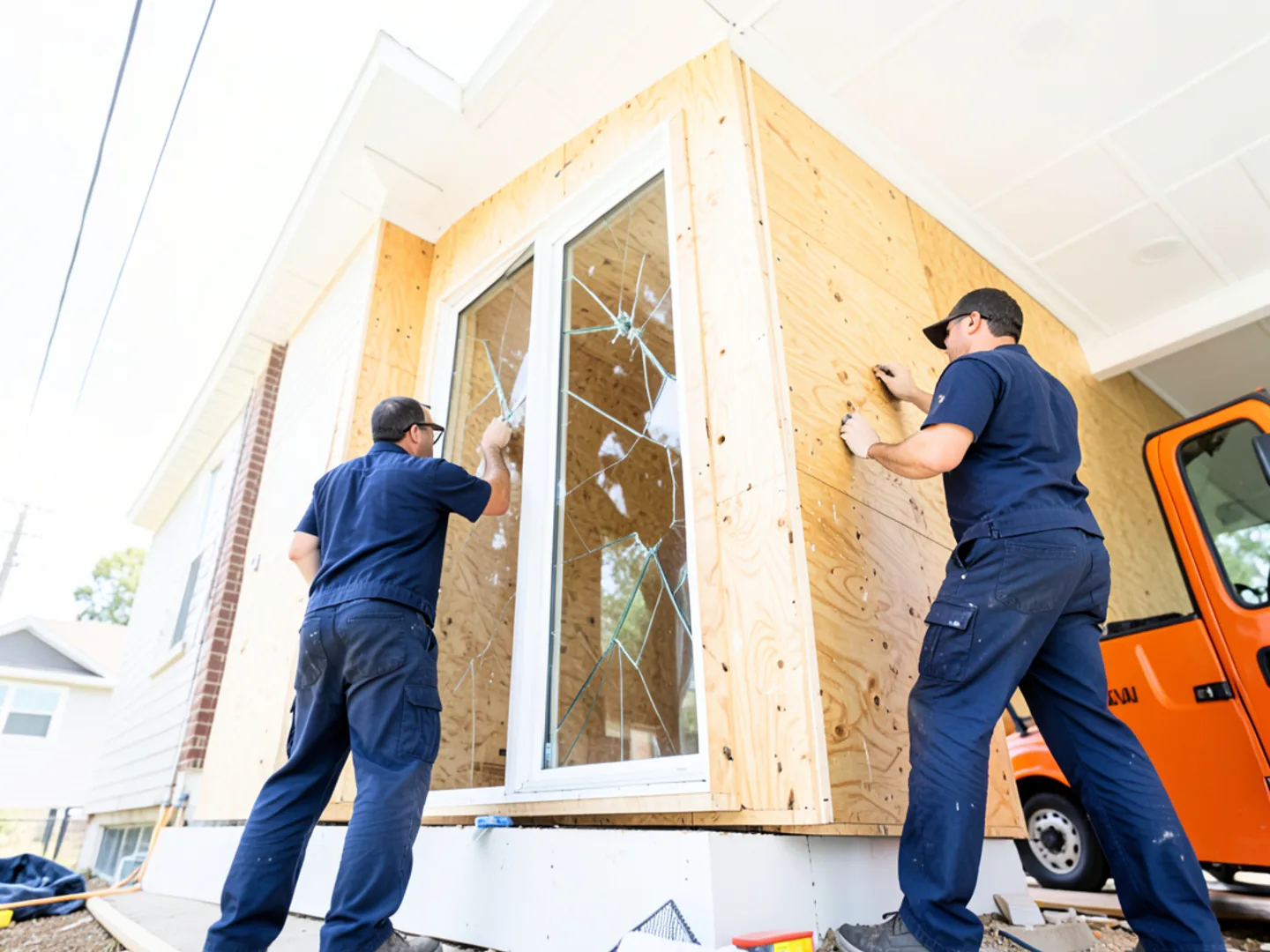
Emergency Window & Structural Board-Up
Installing structural exterior-grade plywood covers over shattered windows, damaged doors, and compromised siding to secure the building envelope.
Tree Limb Stabilization & Debris Removal
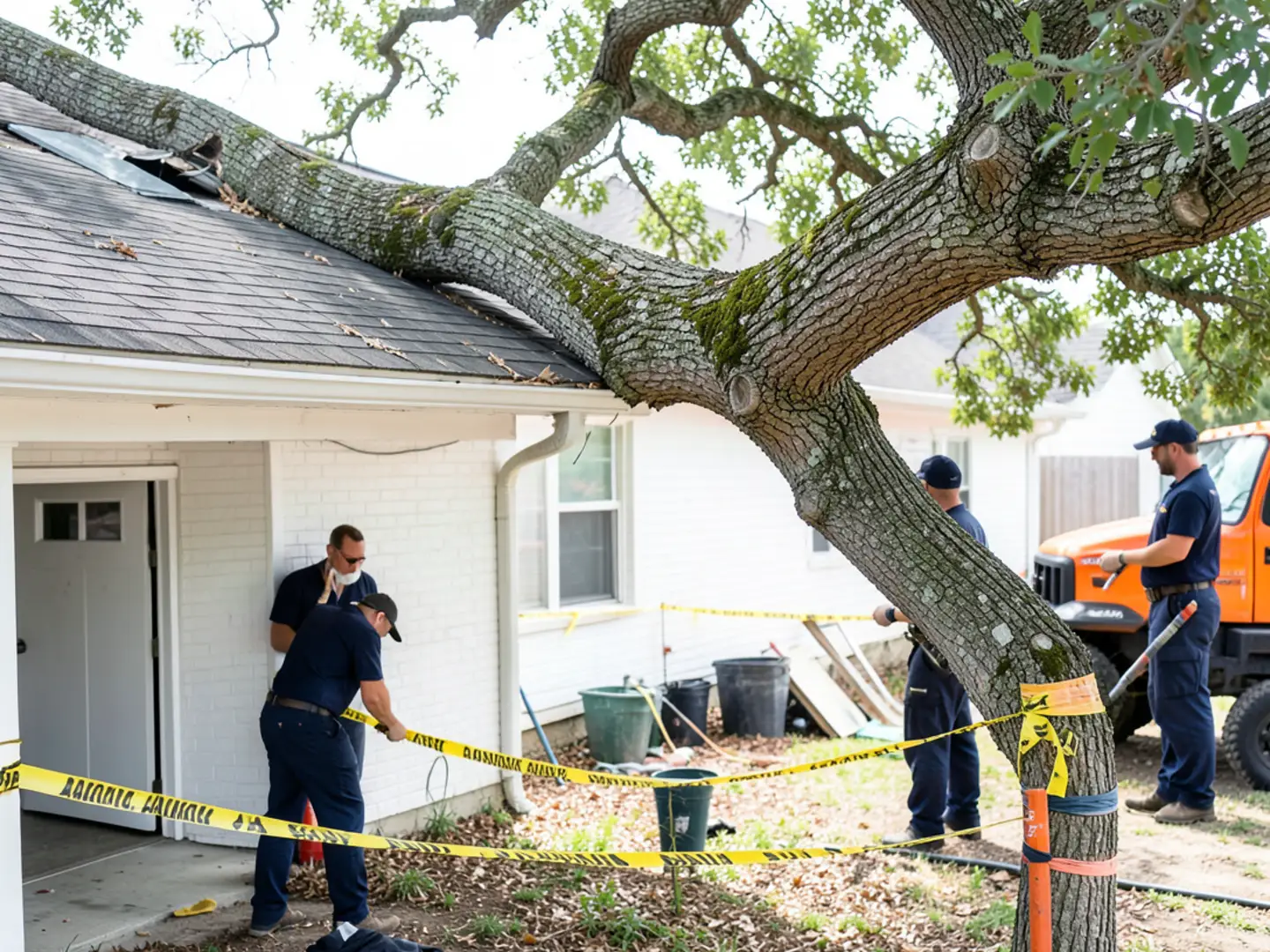
Coordinating safe stabilization of fallen tree branches resting on roofs to facilitate temporary weatherproofing and prevent further rafter collapse.
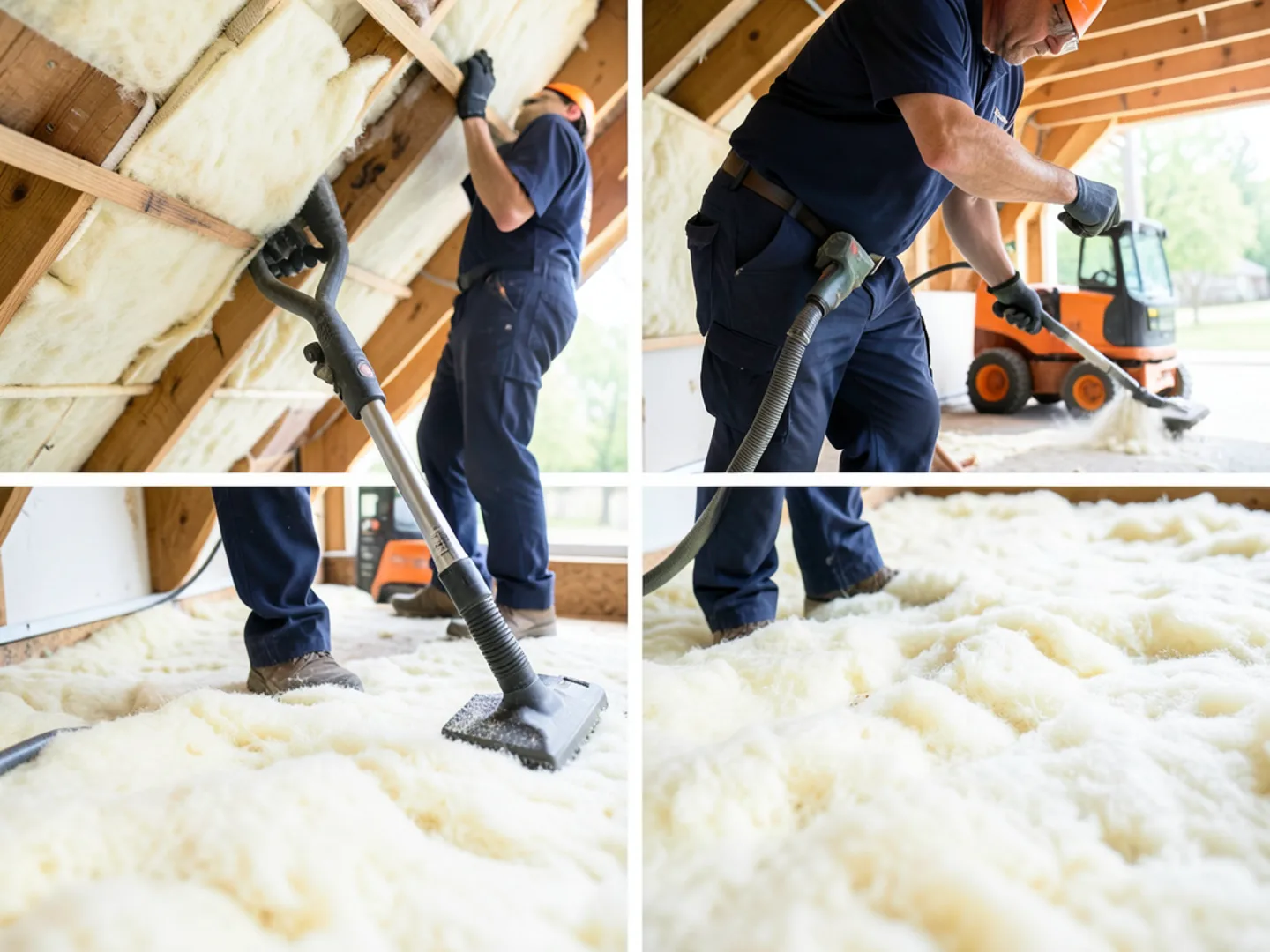
Saturated Attic Insulation Extraction
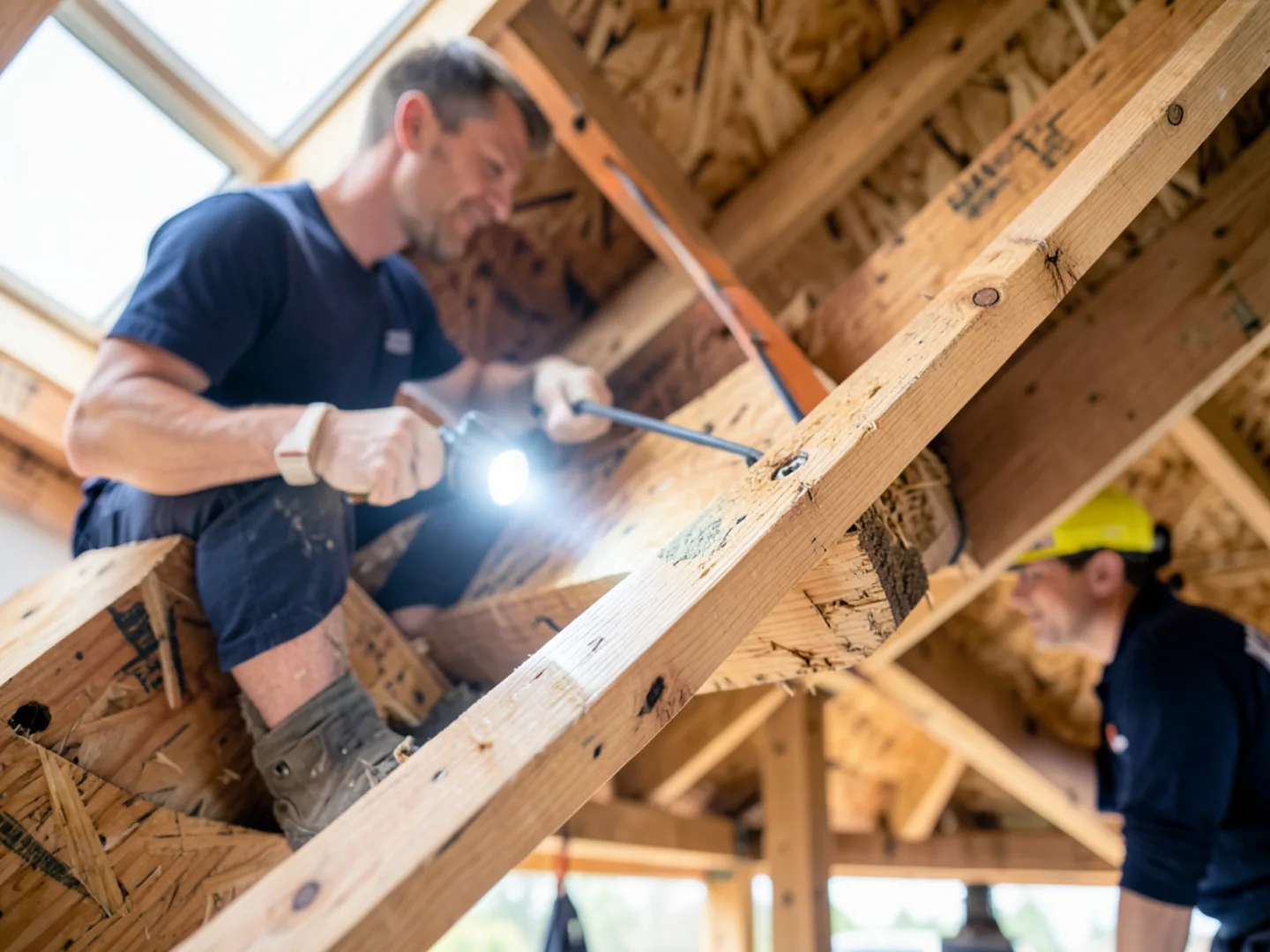
Using industrial vacuum systems to extract rain-soaked blown-in cellulose or fiberglass insulation before ceiling drywall collapses under water weight.
Interior Water Extraction & Dehumidification
Extracting rainwater from finished living areas, hallways, and basements while running high-capacity LGR dehumidifiers to dry wall cavities.
Facing Active Damage Right Now?
Call our dispatch desk immediately at (702) 478-1007. We will connect you directly with an independent local contractor ready for rapid response.
Storm Impact Severity & Immediate Response Matrix
Triage protocols for severe storm damage scenarios across Central Arkansas properties:
| Storm Event | Visible Damage Indicators | Immediate Safe Response | Professional Mitigation Protocol |
|---|---|---|---|
| Tornado or High-Wind Decking Uplift | Missing shingles, exposed plywood decking, daylight visible in attic, water dripping into living rooms. | Evacuate area beneath compromised decking; turn off breakers for wet rooms; call 24/7 dispatch. | Heavy-duty battened roof tarping secured with 2x4 furring strips into rafters, followed by attic drying. |
| Fallen Tree Limb or Tree Impact | Punctured rafters, structural cracking in drywall, limbs resting on roof or penetrating ceilings. | Evacuate rooms under tree impact; check for downed power lines; never climb onto compromised roof. | Coordinated tree stabilization, crane debris removal, temporary framing support, and weather enclosure. |
| Severe Hail & Shingle Bruising | Granule loss, fractured fiberglass matting, dented metal flashing, slow roof leaks developing in attics. | Place buckets under attic drips; document hail size against a ruler with time-stamped photos. | Moisture mapping of attic insulation, selective wet cellulose vacuuming, and temporary patch tarping. |
| Wind-Driven Rain & Siding Penetration | Water pooling around window sills, wet drywall around exterior door frames, damp wall cavities. | Towels along floor thresholds; avoid electrical switches near wet walls; isolate electronics. | Cavity moisture profiling, non-destructive floor mat extraction, and industrial air mover placement. |
| Saturated Attic Insulation Weight | Sagging ceiling drywall, bowing sheetrock screws, ceiling blister forming under rain weight. | Puncture small weep hole in center of sagging blister to relieve hydraulic pressure into a bucket. | Industrial vacuum extraction of wet cellulose or fiberglass insulation and rapid ceiling drying. |
Step-by-Step On-Site Restoration Workflow
Understanding each step of the mitigation process helps property owners navigate insurance claims and track progress from initial contact to the final dry standard.
Emergency Weather Response Call
Call (702) 478-1007 immediately following storm passage. Dispatch gathers information regarding exterior breaches, tree impacts, and interior water depth to send an appropriately equipped local crew.
Exterior Safety & Tarp Deployment
Contractors inspect roof stability, seal active roof breaches with battened tarps, and board broken windows to stop secondary rainwater intrusion.
Attic Clearing & Ceiling Pressure Relief
Technicians inspect attic framing, remove soaked insulation, and relieve trapped ceiling water to protect interior finishes from catastrophic collapse.
Water Extraction & Structural Drying
Crews extract rainwater from flooring and stage commercial air movers and dehumidifiers to prevent mold growth on framing studs and drywall.
Claim Documentation Package
The contractor documents storm impact points, exterior breaches, and interior moisture readings for your homeowners insurance claim.
Central Arkansas Soil & Architectural Realities
The threat of severe tornadic weather in Central Arkansas is historic and ongoing. On March 31, 2023, an EF3 tornado with peak winds of 165 mph carved a 34-mile path through West Little Rock (Walnut Valley, North Shackleford, Napa Valley), crossing into North Little Rock, Sherwood (Kiehl Avenue corridor), and Jacksonville. Thousands of residential structures suffered roof breaches, turning wind events into catastrophic interior water damage losses when subsequent rain poured into unprotected attics. Fast emergency tarping is essential to halt interior devastation across Pulaski County.
Factors That Influence Your Restoration Estimate
Storm restoration costs depend on roof pitch, roof height, severity of structural breach, volume of fallen debris, and the extent of interior water damage.
| Restoration Scope Component | Attributed Industry Range | Technical Note |
|---|---|---|
| Emergency Roof Tarping | $400 – $1,500 | Securing heavy-duty tarps with wooden furring strips over storm punctures or missing shingles. |
| Window & Entryway Board-Up | $300 – $900 | Installing structural plywood panels over breached windows and doors. |
| Wet Attic Insulation Vacuuming | $800 – $2,200 | Extracting rain-soaked blown-in insulation from attic floor to prevent ceiling collapse. |
| Interior Storm Water Mitigation | $2,500 – $12,000+ | Comprehensive multi-room water extraction, structural drying, and antimicrobial treatment. |
Following severe regional storms, out-of-state "storm chaser" crews often enter the Little Rock area. While emergency tarping to stop active leaks can proceed immediately, any structural rebuilding, roofing replacement, or general repair work exceeding $2,000 must be executed by a contractor licensed through the Arkansas Contractors Licensing Board (ACLB). Always demand license credentials before authorizing permanent repairs.
Where This Service Is Dispatched in Central Arkansas
Our 24/7 telephone desk connects property owners with independent restoration contractors operating throughout Pulaski, Saline, and Faulkner counties:
Related Restoration Services
Educational Guides & Articles
Storm & Tornado Damage Restoration Frequently Asked Questions
Direct, honest answers regarding storm & tornado damage restoration timelines, insurance coverage, and procedures in Central Arkansas.
Yes. Standard homeowners insurance policies (HO-3) include a duty-to-mitigate requirement requiring policyholders to protect their property from secondary damage. Emergency roof tarping and window board-up costs are typically fully covered under your claim as necessary temporary repairs to prevent further rainwater intrusion into living spaces.
Connect with a Storm & Tornado Damage Restoration Specialist Today
Call 24/7 for rapid dispatch across Little Rock, North Little Rock, Sherwood, Maumelle, Bryant, Benton, Conway, and Jacksonville.